Understanding our planet. Building a sustainable future.
Clear, carefully sourced explainers on land, drought, climate, nature and food, with practical guides for classrooms, families and cities.
An independent publication. Not affiliated with the United Nations or the UNCCD. About this domain's history.
Start here
All articles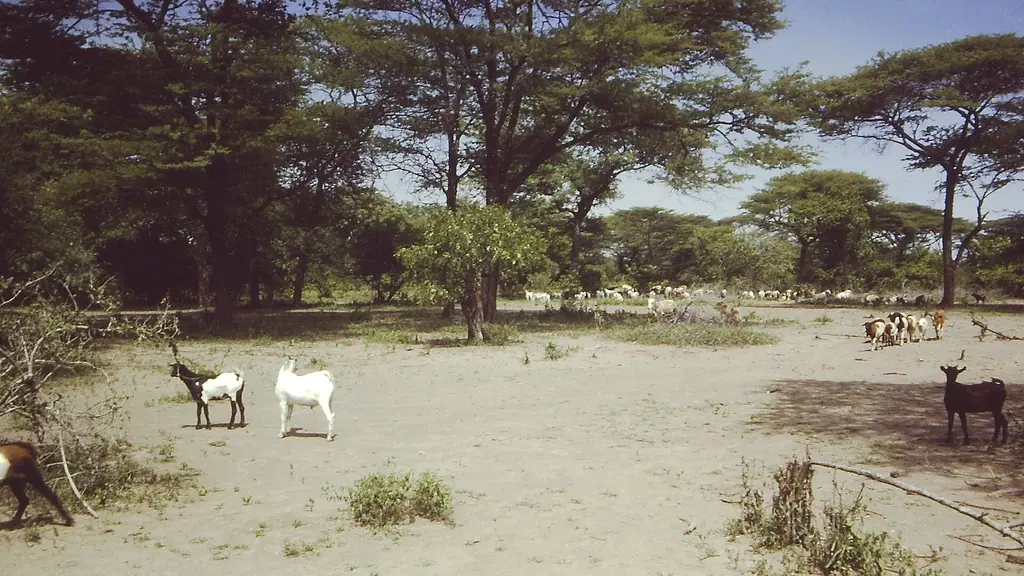
Desertification: what drives it and why it matters
Desertification is not the march of sand dunes but the slow loss of productive land in drylands, driven by land use and a changing climate.
- Land restoration and conservation
Land degradation neutrality explained: SDG 15.3 in practice
Land degradation neutrality asks countries to ensure that, across their territory, healthy and productive land stops shrinking. Here is how the idea works and how it is being put into practice.
- Environmental education
Teaching children about desertification: a practical guide
Desertification is not deserts on the march. Here is how to teach what it really is, why it matters and what children can investigate for themselves.
- Sustainable transportation
The environmental benefits of cycling: what the evidence shows
Bicycles are among the lowest-carbon ways to travel, but the real climate gains depend on which trips they replace and how cities are built.
- Food security
Food security and climate change: what the evidence shows
Global hunger has eased for three years running, but warming is already slowing farm productivity and raising the risk of food crises in the most vulnerable regions.
Topics
All topicsResearch and explainers
- Climate change
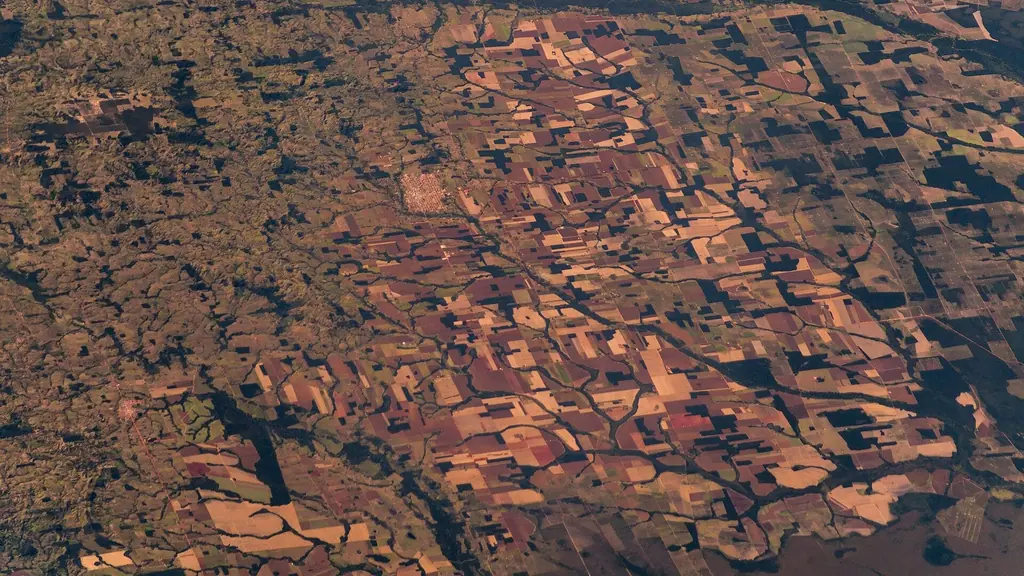
How land use and climate change interact: key IPCC findings
Farming, forestry and land degradation add to climate change, while a warming climate degrades land. The IPCC's land report shows how the two feed each other, and where the solutions lie.
- Biodiversity and ecosystems
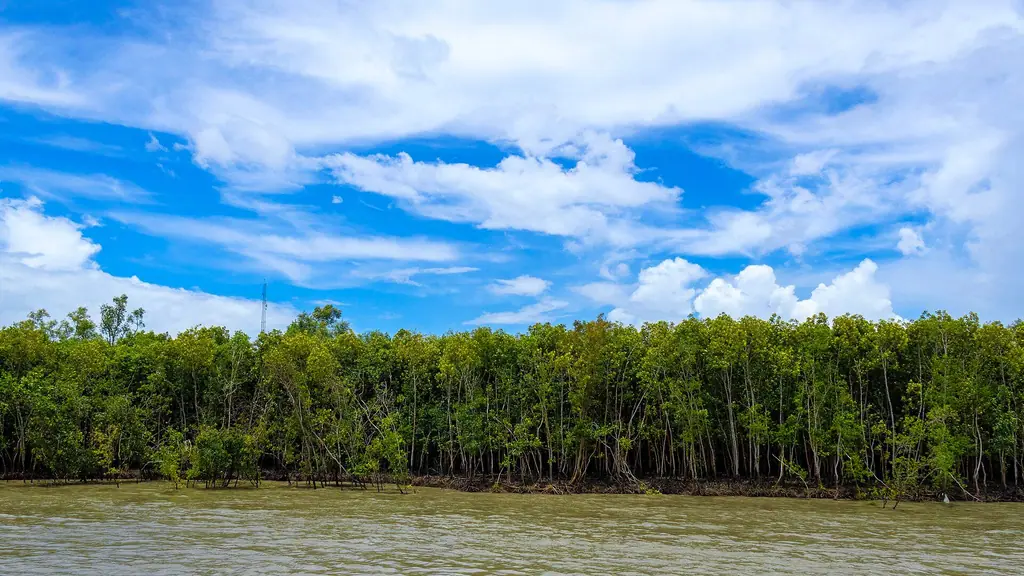
Mangrove and coastal restoration: what works and what fails
Mangroves protect coasts, store carbon and support fisheries. Restoring them is possible, but only when projects get the water, the ground level and local support right.
- Sustainable agriculture
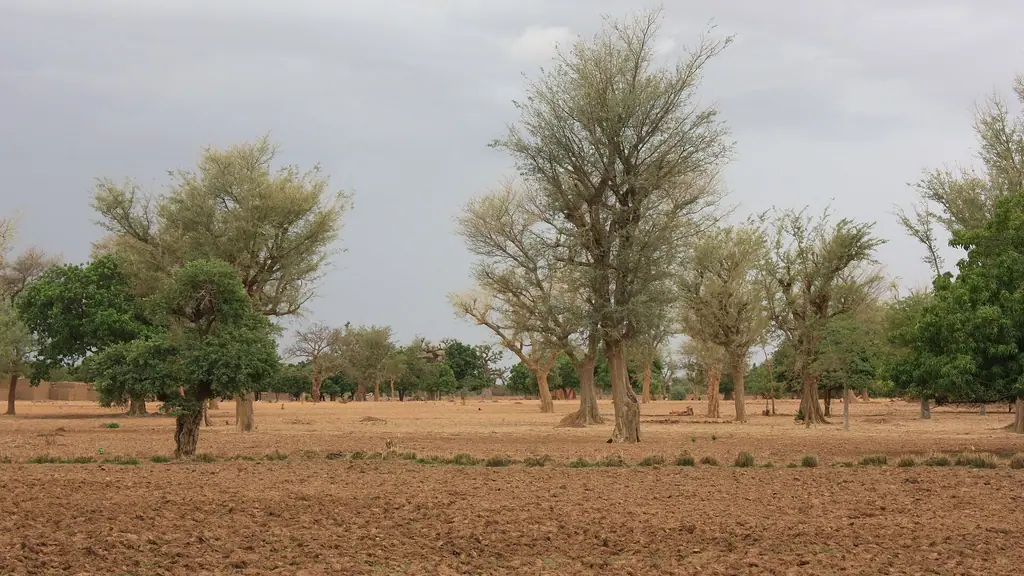
Agroforestry and farmer-managed natural regeneration explained
Trees on farms can restore soils, feed livestock and buffer drought. Niger's regreening shows the method is simple, but the conditions that let it spread are not.
- Sustainable cities
Heatwaves and urban heat islands: why cities run hot
Cities can add degrees of warmth on top of climate change, especially at night. Desert cities behave differently, but the risks to health are just as real.
- Circular economy
Bicycle repair and the circular economy
Most of a bicycle's carbon footprint is created before its first ride. Keeping bikes rolling through repair is one of the simplest circular-economy wins.
- Environmental finance
Environmental financing mechanisms: how nature gets paid for
Money for climate, land and biodiversity flows through a patchwork of public funds, budgets and market tools. Here is how each one works, and where each falls short.

For classrooms and families
Free printable worksheets with step-by-step instructions, recording tables and safety notes.
- Bike safety and maintenance check: ABC and helmet fit6–14 (always with an adult), 10–15 minutes per bike
- Desertification in a tray: soil erosion experiment8–12 (adaptable for 6–7 with adult help), 20 minutes setup, 2 weeks for seeds to grow, 30 minutes for the test
- Home water audit: find out how your family uses water8–14 (with an adult helper), About 1 hour spread over one week, plus a 2-hour meter check
- Schoolyard biodiversity survey: quadrats and counts7–14, 45–60 minutes outdoors, plus 20 minutes for analysis
- Soil jar test: discover your soil's texture8–14 (younger children with adult help), 20 minutes setup, readings at 1 minute, 2 hours and 2–3 days
From the archive
This address once belonged to the UNCCD's Global Mechanism. Where other sites still link to its old pages, we have published new, independent explainers on the same subjects.
- CACILM: the Central Asian Countries Initiative for Land ManagementLand restoration and conservation
- Desertification and Drought Day: the story of 17 JuneDesertification and drought
- Dryland forests and food security: why trees matter in drylandsFood security
- Family farming and FAO's call for sustainable intensificationSustainable agriculture
- Financing forest and landscape restoration: the 2015 FAO–GM studyEnvironmental finance
- Funding sources for sustainable land management: a guideEnvironmental finance
- Gum arabic and the acacia drylands of the SahelDesertification and drought
- How trade and value chains can support sustainable land managementSustainable agriculture
- Land degradation, climate and migration in West AfricaDesertification and drought
- National Action Programmes under the UNCCD, and how they evolvedSustainable development policy