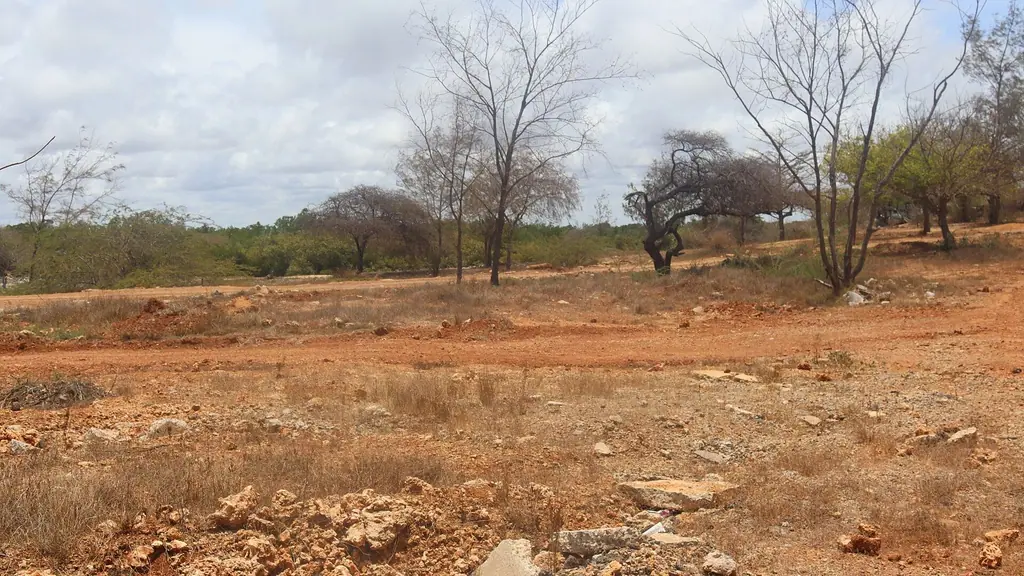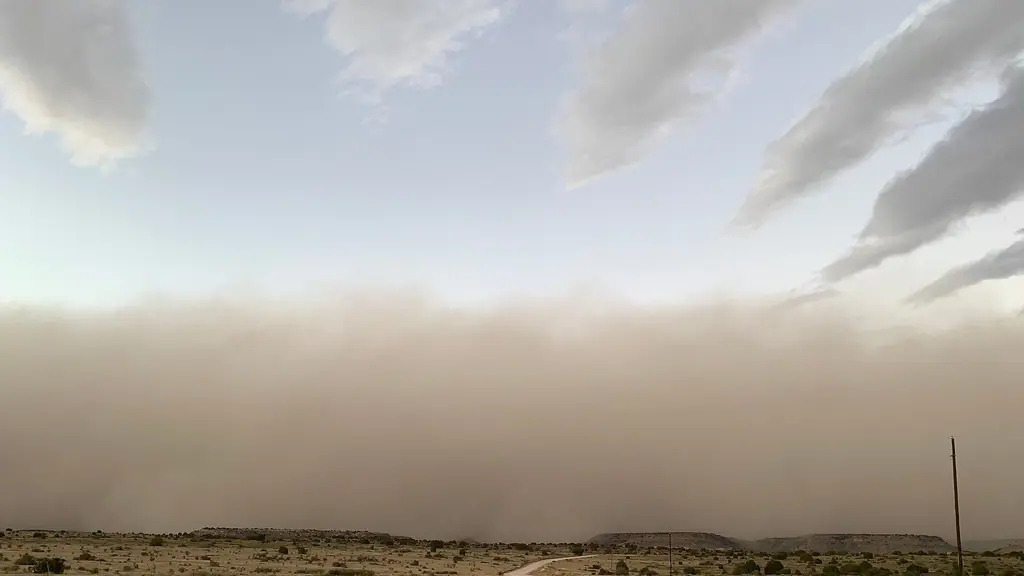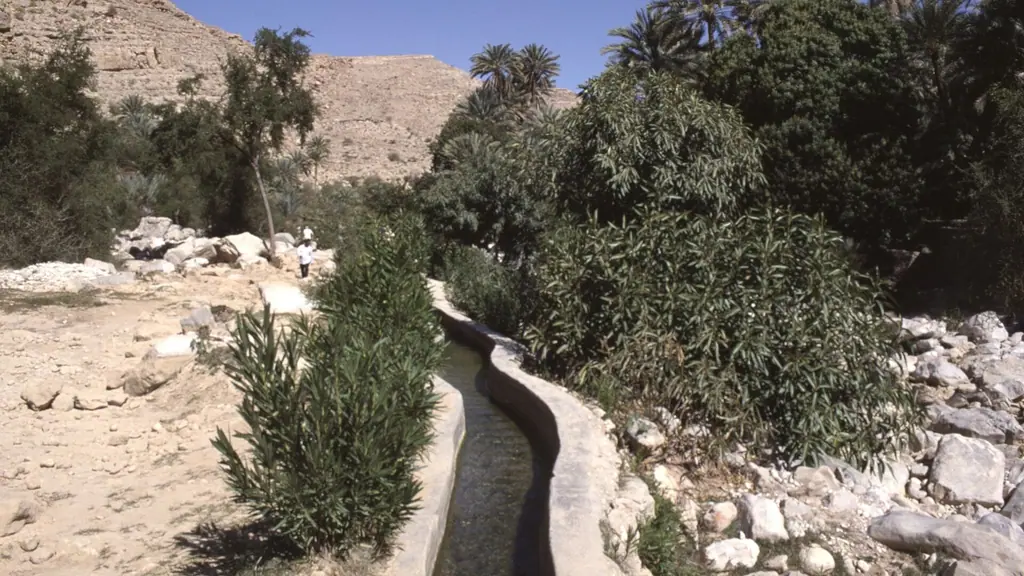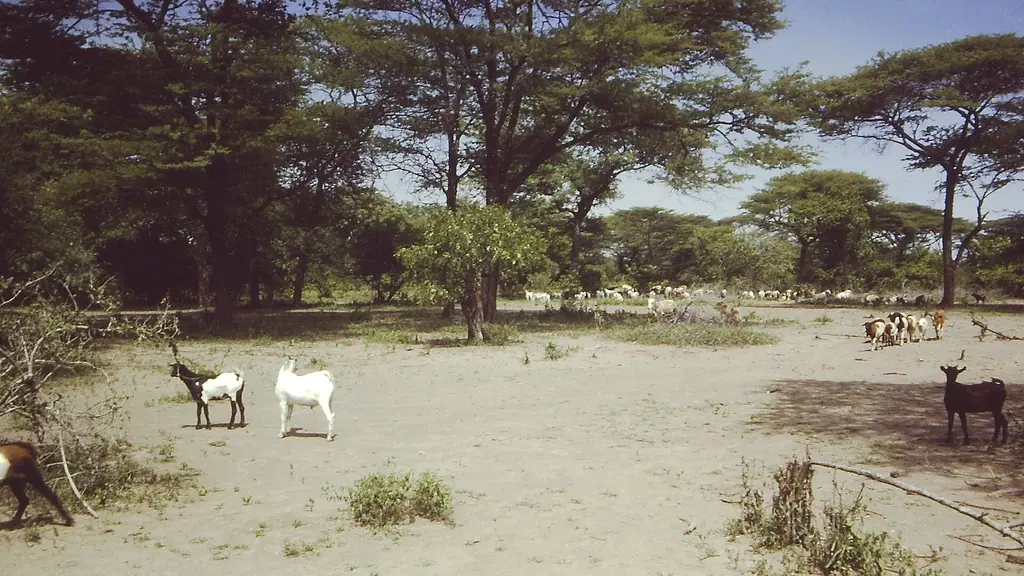
The word "desertification" conjures images of sand dunes swallowing villages. The reality is usually quieter and more widespread. Desertification is the gradual loss of the land's capacity to grow plants, hold water and support livelihoods in the world's drylands. It happens field by field and pasture by pasture, often over decades, and it is driven by a combination of human land use and climatic change.
This explainer sets out what desertification is, what causes it, what it does to people and ecosystems, and why scientists say preventing it is far cheaper than repairing it.
What desertification is, and what it is not
The Intergovernmental Panel on Climate Change (IPCC) defines desertification as land degradation in arid, semi-arid and dry sub-humid areas, collectively known as drylands, resulting from many factors including human activities and climatic variations. The UN Convention to Combat Desertification (UNCCD) likewise describes desertification as aridity-related land degradation. In other words, desertification is not about existing deserts expanding in a straight line. It is about land within drylands losing productivity, biodiversity and resilience.
Drylands are defined by water balance rather than temperature. In the IPCC's analysis they are areas where the aridity index, the ratio of precipitation to potential evapotranspiration, is below 0.65. The IPCC's Special Report on Climate Change and Land (2019) estimated that drylands cover about 46.2% of the global land area and are home to about 3 billion people. A later UNCCD analysis, published in December 2024, put drylands at 40.6% of all land excluding Antarctica, home to about 2.3 billion people. The two figures come from different datasets and periods, which is a useful reminder that dryland statistics depend heavily on method.
Measuring desertification itself is difficult because many processes are involved. The IPCC identified desertification "hotspots", areas where vegetation productivity declined between the 1980s and 2000s, covering about 9.2% of drylands and affecting roughly 500 million people in 2015. The largest numbers of affected people were in South and East Asia, the area around the Sahara including North Africa, and the Middle East including the Arabian Peninsula, although the IPCC rated that regional finding as low confidence.
The human drivers
The IPCC concluded that the major human drivers of desertification, interacting with climate change, are the expansion of croplands, unsustainable land management practices and rising pressure on land from population and income growth. Poverty plays a double role: it pushes people to extract more from fragile land, and it limits the money and capacity available to invest in better practices.
How land use degrades drylands
Several mechanisms recur across dryland regions:
- Loss of protective plant cover. When vegetation is removed through clearing, intensive cultivation or overgrazing, bare soil is exposed to wind and water. FAO notes that activities such as overgrazing, intensive agriculture and deforestation can accelerate soil erosion by up to 1,000 times compared with natural rates.
- Poorly managed irrigation. The UNCCD highlights excessive irrigation as a cause of soil degradation and aquifer depletion in arid areas. The IPCC also projects that the area at risk of salinisation, the build-up of salts in soils, will increase.
- Groundwater over-extraction. The IPCC reports with high confidence that over-extraction is depleting groundwater in many dryland areas, removing a buffer that communities rely on during dry years.
- Invasive plants. In many drylands, the spread of invasive species has reduced ecosystem services, again with high confidence according to the IPCC.
These pressures rarely act alone. A grazing system that was sustainable under mobile herding may become damaging when herds are confined to smaller areas, or when a run of dry years reduces the forage available.
The climate drivers
Climate variability has always shaped drylands, but human-caused climate change is adding a persistent push. The IPCC found that the attribution of desertification to climate change versus human activities varies from place to place. In some dryland areas, rising land surface temperatures, higher evapotranspiration and reduced rainfall are likely to have played a role, in interaction with land use.
There is a partial counterweight. Higher carbon dioxide concentrations can boost plant growth in drylands, a "CO2 fertilisation" effect the IPCC describes with high confidence. But in many dryland areas, declining water availability has a larger effect than this fertilisation benefit.
Drought versus aridity
Two terms are often confused. Drought is a temporary period of unusually low water availability. Aridity is a long-term climatic condition. The UNCCD's 2024 report The Global Threat of Drying Lands found that 77.6% of Earth's land experienced drier conditions in the three decades to 2020 than in the previous 30 years, and that about 7.6% of global land was pushed across an aridity threshold, for example from humid to dryland. The report's authors identified human-caused climate change as the primary driver of this shift. Unlike a drought, a shift in aridity does not simply end when the rains return, which makes it a structural driver of desertification risk. Our explainer on building drought resilience covers how countries manage the shorter-term hazard.
The consequences for people
Desertification reduces what land can provide, and the effects ripple outward.
Food and income. The IPCC states with high confidence that desertification has already reduced agricultural productivity and incomes in some dryland regions, and projects further reductions in crop and livestock productivity as desertification and climate change combine.
Water. Soil captures, stores and filters water, so when it erodes, less rainfall soaks in and more runs off, as FAO explains. Combined with groundwater depletion, this tightens water supplies for farming and households.
Health. The IPCC found that unsustainable land management, especially when coupled with drought, has contributed to higher dust-storm activity, harming well-being in drylands and far beyond them. It cited an estimate that dust storms were associated with about 402,000 cardiopulmonary deaths worldwide in 2005. Our guide to sand and dust storms explains this hazard in more detail.
Infrastructure. More intense sand storms and moving dunes damage roads, railways and solar and wind energy installations, according to the IPCC.
Poverty, migration and conflict. The IPCC concluded with high confidence that the combined pressures of climate variability, climate change and desertification will contribute to poverty, food insecurity and increased disease burden. Links to conflict were rated low confidence. On migration, the evidence is disputed: the IPCC found that desertification can add an incentive to migrate in some places, but that strong claims about climate-driven migration from drylands lack agreement. It also found that women are likely to be more affected than men where livelihoods depend heavily on agriculture.
The consequences for nature and climate
Desertification erodes biodiversity. The IPCC projects, with medium confidence, changes in plant species composition and reduced biological diversity across drylands, and warns that rising temperatures and more severe droughts could increase the chance of wildfire in some areas.
Desertification also feeds back into the climate system. Loss of vegetation and soil carbon releases greenhouse gases, and more dust enters the atmosphere. The IPCC notes one partial offset: degraded, paler land surfaces reflect more sunlight, which has a local cooling effect. On balance, however, healthy dryland soils and vegetation are important carbon stores, and protecting them is part of climate mitigation.
How big is the wider land problem?
Desertification is one part of a broader global land degradation challenge. The UNCCD's Global Land Outlook 2 (2022) reported that up to 40% of the planet's land is degraded, directly affecting half of humanity. Under a business-as-usual scenario, it projected continued degradation by 2050 over an additional area of about 16 million square kilometres, roughly the size of South America. The same report noted that food systems account for about 80% of deforestation and 70% of freshwater use, underlining how central agriculture is to both the problem and the solution.
Future risk
The IPCC projects that risks from desertification will rise with warming. Under a "middle of the road" socio-economic pathway, it estimated that the dryland population exposed to water, energy and land-related impacts would reach about 951 million people at 1.5°C of global warming, 1,152 million at 2°C and 1,285 million at 3°C. The UNCCD's 2024 aridity report warned that under a worst-case scenario, up to 5 billion people could be living in drylands by the end of the century.
What works: prevention first
The most consistent message from the science is that avoiding desertification is better than trying to reverse it. The IPCC Summary for Policymakers states with high confidence that preventing desertification is preferable to restoring degraded land, because restoration carries residual risks and can fail.
The IPCC also found that site-specific solutions, combining scientific innovation with Indigenous and local knowledge, are already available. These include:
- water harvesting and micro-irrigation;
- restoring degraded land with drought-resilient, ecologically appropriate plants;
- agroforestry and other agroecological practices;
- reduced tillage, crop diversification and keeping soil covered with vegetation or mulch;
- rangeland management based on sustainable grazing and re-vegetation.
These approaches sit under the umbrella of sustainable land management, and they underpin the global goal of land degradation neutrality. They work best when supported by secure land tenure, access to markets and finance, and policies that reward long-term stewardship rather than short-term extraction.
Key takeaways
- Desertification is land degradation in drylands caused by human activities and climatic variations; it is not simply deserts advancing.
- The main human drivers identified by the IPCC are cropland expansion, unsustainable land management and growing pressure on land, with poverty limiting people's ability to invest in better practices.
- Climate change is making many regions drier: a 2024 UNCCD analysis found that 77.6% of land was drier in 1991–2020 than in the previous 30 years.
- Consequences include lower farm productivity and incomes, water stress, more dust storms, biodiversity loss and damage to infrastructure.
- Prevention is cheaper and more reliable than restoration, and proven land management practices already exist.
Frequently asked questions
Is desertification the same as deserts spreading?
No. Deserts are natural ecosystems. Desertification describes the degradation of land in drylands, which can happen hundreds of kilometres from any desert. A pasture in a semi-arid region can become desertified while the nearest desert stays the same size.
Is desertification caused mainly by people or by climate?
Both, and the balance differs by place. The IPCC found that attribution varies in space and time, with human drivers such as cropland expansion and unsustainable management interacting with rising temperatures, higher evaporation and reduced rainfall.
Can desertified land recover?
Often, yes, if pressures are reduced and the right practices are applied, especially where soils have not been completely lost. But recovery can be slow and costly, which is why scientists emphasise preventing degradation in the first place.
Sources
- Chapter 3: Desertification. In: Climate Change and Land, IPCC Special Report IPCC / Cambridge University Press, 2019
- Summary for Policymakers. In: Climate Change and Land, IPCC Special Report IPCC / Cambridge University Press, 2019
- Desertification UNCCD, n.d.
- Chronic land degradation: UN offers stark warnings and practical remedies in Global Land Outlook 2 UNCCD, 2022
- Three-quarters of Earth's land became permanently drier in last three decades: UN UNCCD, 2024
- Let's #StopSoilErosion to ensure a food secure future FAO, 2019
How this article was made: researched and drafted with the help of AI tools, then checked against the sources listed above. Read our editorial policy. Spotted an error? Tell us.