Sustainable agriculture
Agriculture uses more land and freshwater than any other human activity. How we farm shapes soil health, water quality, biodiversity and rural livelihoods. This hub looks at practices with a solid evidence base, and is candid about where the evidence is still thin.
Begin with an overview of sustainable agricultural practices, then look at conservation agriculture, agroforestry, water-efficient irrigation and the debate around regenerative agriculture.
Articles and explainers
5 articles in this topic.
- Sustainable agriculture
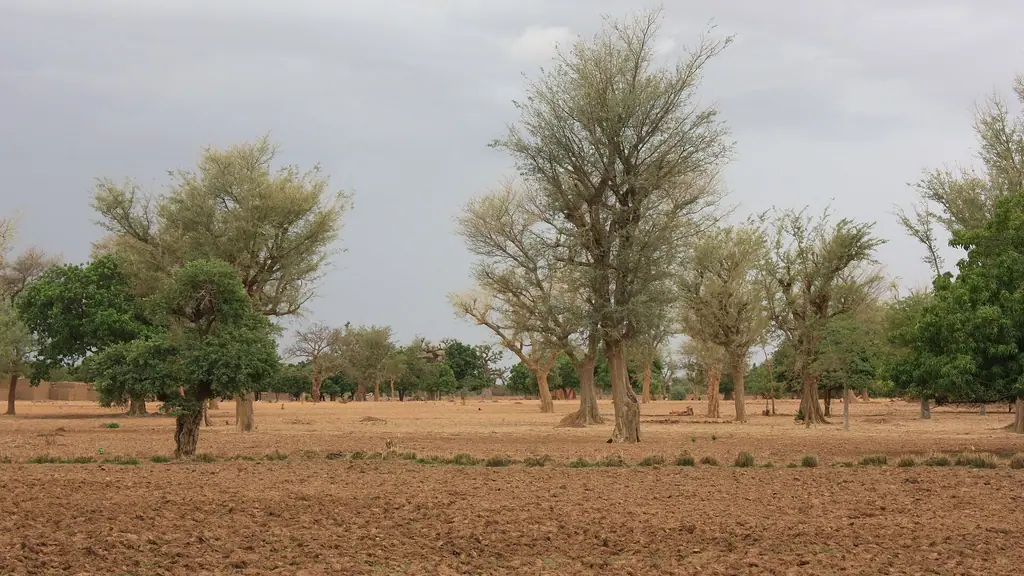
Agroforestry and farmer-managed natural regeneration explained
Trees on farms can restore soils, feed livestock and buffer drought. Niger's regreening shows the method is simple, but the conditions that let it spread are not.
- Sustainable agriculture
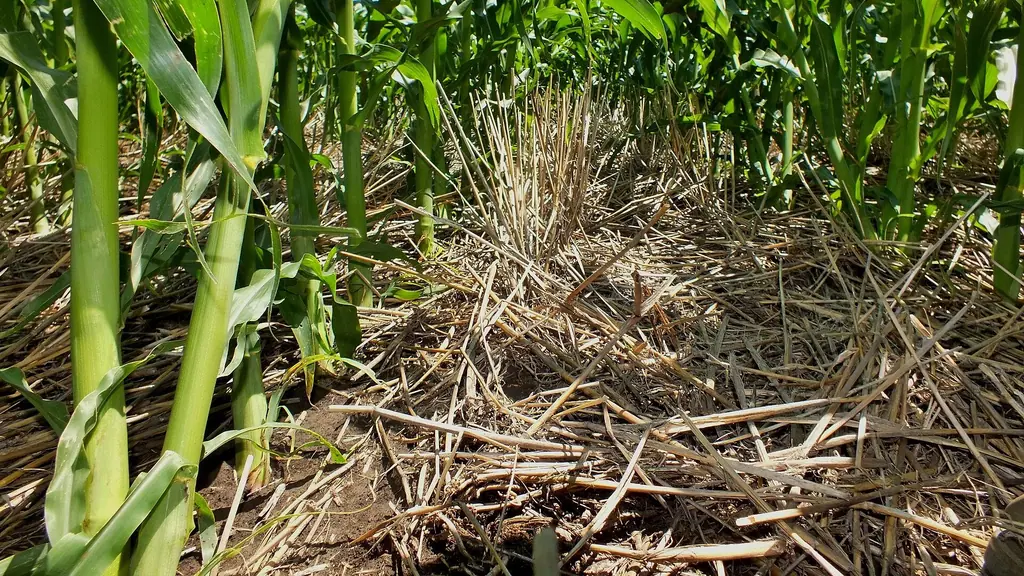
Conservation agriculture: FAO's three principles and the evidence
Minimal tillage, permanent soil cover and crop diversity can protect soils and help dryland crops. The yield and climate claims, however, need careful reading.
- Sustainable agriculture
Regenerative agriculture: what the evidence says
Regenerative farming promises healthier soils, more biodiversity and climate benefits. The soil-health case is strong; the climate and grazing claims are much less so.
- Sustainable agriculture
Sustainable agricultural practices: what works and why
Sustainable agriculture is less a single method than a set of principles. The evidence points to practices that protect soil, diversify farms and use inputs carefully.
- Sustainable agriculture
Water-efficient irrigation in drylands: what really saves water
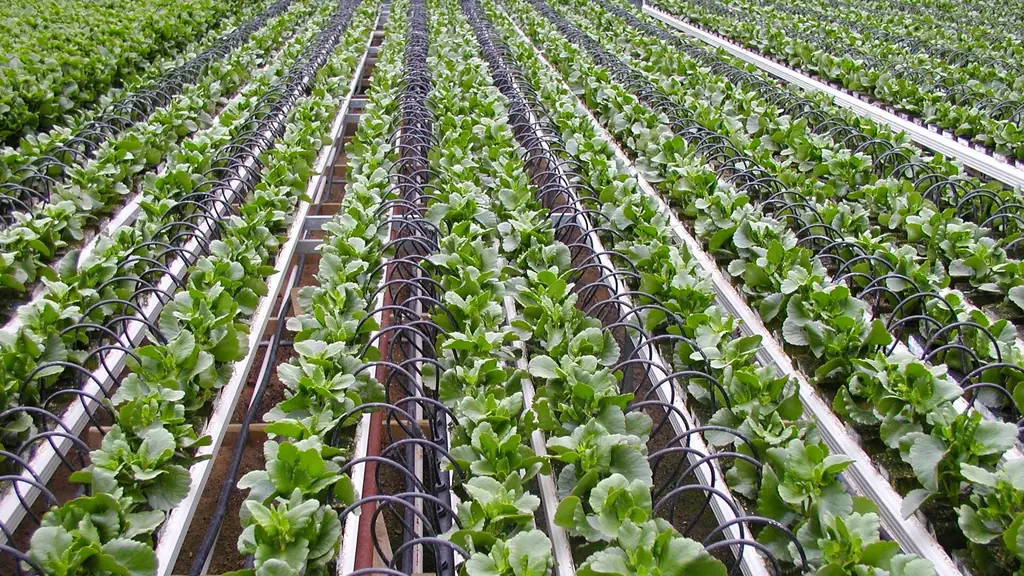
Drip lines and sprinklers can transform a farm. Whether they save water for a whole river basin depends on accounting, allocation and what farmers do with the savings.

Historical resources
Original explainers at addresses once used by the former UNCCD Global Mechanism. About these pages.
- Family farming and FAO's call for sustainable intensificationFamily farms run about nine in ten of the world's farms. In 2014 FAO urged a shift away from input-heavy agriculture, and the UN later made family farming the focus of a decade.
- How trade and value chains can support sustainable land managementTrade can bring income to drylands and reward good land stewardship, or deepen pressure on fragile soils. Standards, sourcing rules and fair value chains decide which.
Official resources
Primary sources we rely on for this topic.