On a hot summer evening, the centre of a large city can stay warm long after the surrounding countryside has cooled. This is the urban heat island effect. As heatwaves become more frequent and intense, it has turned from a curiosity of urban climatology into a public health issue.
This article explains what causes urban heat islands, how they interact with climate change, why desert cities such as those in the Gulf behave differently, and what cities can do about it.
What is an urban heat island?
An urban heat island is an area of a city that is warmer than its surroundings. The IPCC's chapter on cities, settlements and key infrastructure explains that it is caused by changes to the surface energy balance that come with urbanisation: the thermal properties and layout of buildings and streets, and the heat released by human activity.
The US Environmental Protection Agency lists the main contributors:
- Less vegetation and water. Hard, dry surfaces provide less shade and less cooling through evaporation than natural landscapes.
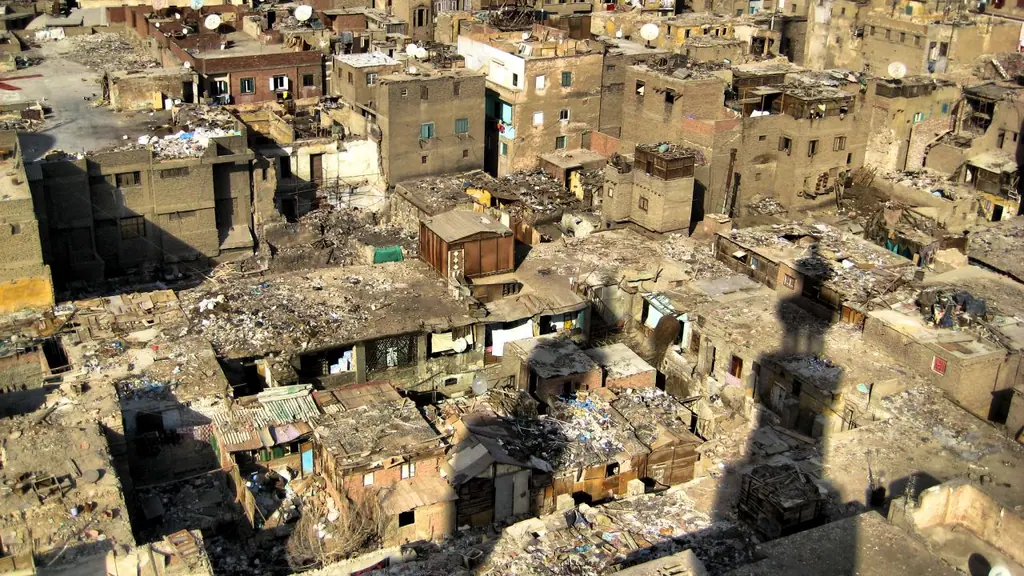
- Heat-absorbing materials. Conventional pavements and roofs reflect less sunlight and store more heat.
- Urban geometry. Dense buildings and narrow streets trap heat and can block cooling winds.
- Waste heat. Vehicles, air conditioners, buildings and industry all release heat.
- Weather and geography. Calm, clear conditions intensify heat islands; wind and cloud weaken them.
For US cities, the EPA estimates that urban areas are about 1–7°F (roughly 0.5–4°C) warmer than outlying areas during the day and about 2–5°F (roughly 1–3°C) warmer at night.
Night-time is when heat islands matter most
The IPCC's Special Report on Climate Change and Land found, with high confidence, that both global warming and urbanisation can enhance warming in cities and their surroundings, especially during heatwaves, and that night-time temperatures are more affected than daytime temperatures. Our article on land and climate change summarises the report's wider findings.
This matters for health. The IPCC's cities chapter reports clear evidence of increased health risks to older people in cities, including higher mortality from urban heat islands during heatwaves. It also notes that the urban heat island itself is amplified during heatwaves, although by how much varies by region and time of day.
Climate change and the heat island add up
Urban heat islands sit on top of global warming. The IPCC's cities chapter notes that the urban heat island, a product of urban expansion, can add 2°C to local warming. It also finds that the main driver of increased heat exposure is the combination of global warming and population growth in already-warm cities, with the majority of people exposed to heatwaves expected to live in urban centres.
Urban populations are large and growing. According to the same chapter, 4.2 billion people live in urban areas, and an additional 2.5 billion are projected by 2050, with up to 90 per cent of that increase in Asia and Africa.
The health burden of heat is already substantial. The World Health Organization estimates about 489,000 heat-related deaths a year over 2000–2019. Groups at higher risk include adults over 65, people with chronic heart, lung, kidney or mental health conditions, outdoor and manual workers, infants and children, and people in poor-quality housing or without access to cooling.
Desert and Gulf cities: a different pattern
Most heat island research comes from temperate cities surrounded by fields or forests. Desert cities can behave quite differently, partly because the land around them is often bare desert rather than farmland or forest, which changes what the city is being compared with.
Dubai's daytime "heat sink" and night-time heat island
A satellite study of Dubai by Nassar, Blackburn and Whyatt found two distinct effects, measured as land surface temperature rather than air temperature (Nassar et al., 2016):
- By day, a surface urban heat sink. Parts of the city were cooler than their surroundings, typically by about 3.0°C in summer. The coolest zones were open high-rise areas, where tall buildings provide shade and affect airflow.
- By night, a surface urban heat island. The city was warmer than its surroundings, typically by about 3.5°C in winter, with compact mid-rise areas warmest. Limited views of the sky were associated with higher night-time temperatures.
Proximity to the Gulf was the largest influence on both effects, promoting daytime cooling in summer and night-time warming in winter.
Why the comparison point matters
A study of Cairo and its new towns highlights a methodological trap (Taheri Shahraiyni et al., 2016). When desert land was used as the rural reference, Cairo appeared cooler than its surroundings by day. When the researchers instead compared the same areas before and after urbanisation, they found no clear daytime surface heat island in summer. The authors argue that the choice of reference can mislead studies in desert cities.
What this means for Gulf residents
A daytime "cool island" does not mean desert cities are safe from heat. The IPCC's cities chapter cites research projecting that more than 90 per cent of the roughly 300 million people expected to be exposed to super- and ultra-extreme heatwaves in the Middle East and North Africa will live in urban centres. And the night-time heat island in places like Dubai removes some of the relief that cooler nights would otherwise provide.
Gulf cities also depend heavily on air conditioning. The IPCC notes that air conditioning can reduce risk for individuals but may be maladaptive at the level of society, because it adds to energy demand and releases waste heat. That makes passive cooling, shading and urban design especially important in hot climates. Our article on transportation in hot climates looks at how heat shapes everyday mobility.
What cities can do
The evidence points to a mix of measures that work at different scales.
Green and blue infrastructure
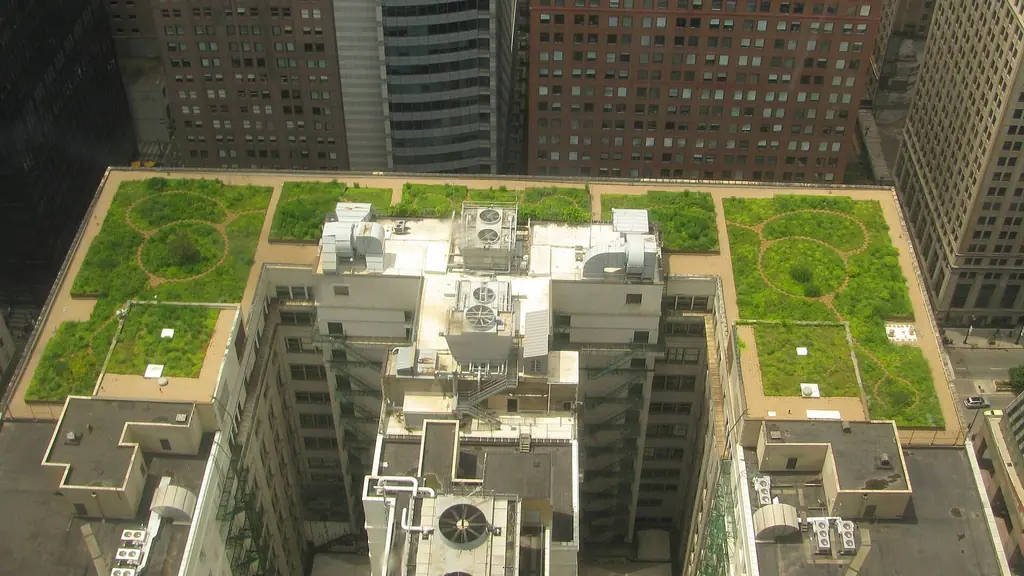
The IPCC's summary for policymakers on adaptation states, with very high confidence, that urban greening using trees and other vegetation can provide local cooling. The cities chapter adds that parks, urban forests, street trees, green roofs, lakes, ponds and streams are widely documented as providing local cooling. In arid cities, the water needed to keep vegetation alive is an important consideration when choosing what and where to plant. Our article on nature-based solutions in cities covers this in more depth.
Shade and building design
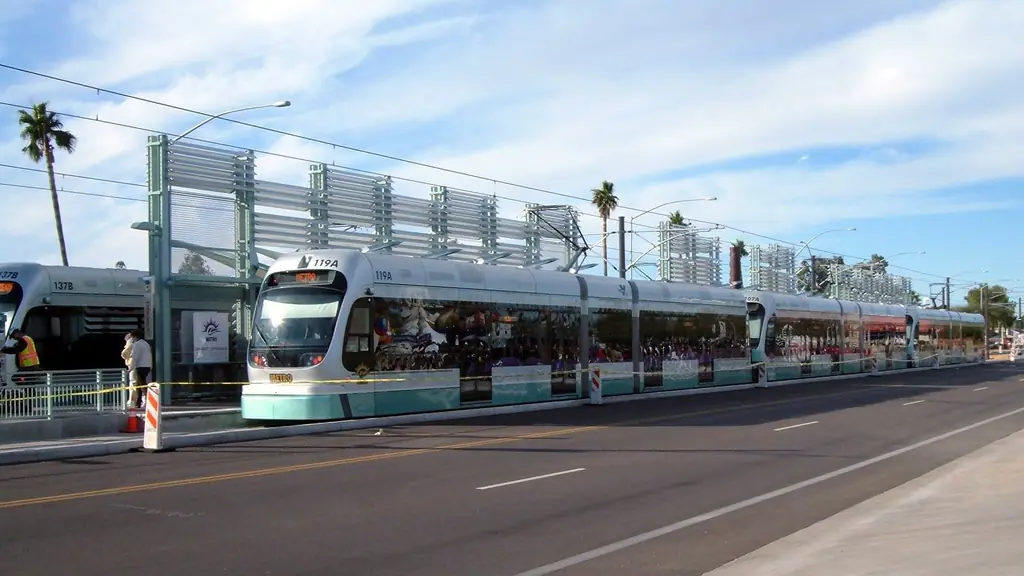
The IPCC identifies solar shading, thermal mass, ventilation and building orientation as factors affecting overheating in buildings. At street level, shade over walking routes and public transport stops can reduce people's direct exposure to the sun.
Cooler materials
The EPA notes that conventional paving and roofing materials reflect less sunlight and absorb more heat. Lighter or more reflective surfaces reduce the heat stored in the urban fabric.
Reducing waste heat
Vehicles, buildings and air conditioners all release waste heat. More efficient buildings and cooling systems, and fewer car trips, reduce this contribution. The EPA reports that in the United States, electricity demand for air conditioning rises by about 1–9 per cent for each 2°F (about 1.1°C) increase in temperature.
Protecting people, not only places
Because health impacts fall unevenly, the IPCC stresses that adaptation plans should involve marginalised communities. The WHO's list of at-risk groups, including older people, outdoor workers and people without access to cooling, is a useful guide to where protective measures are most needed.
Key takeaways
- Urban heat islands arise from building materials, urban form, lack of vegetation and waste heat, and are usually strongest at night.
- The IPCC finds the urban heat island can add about 2°C to local warming, on top of climate change.
- The WHO estimates about 489,000 heat-related deaths a year over 2000–2019, with older people and outdoor workers among those most at risk.
- Desert cities such as Dubai can be cooler than their surroundings by day but warmer at night, and the coast plays a large role.
- Urban greening, shade, cooler materials, efficient cooling and heat-health planning all help reduce risk.
Frequently asked questions
Is the urban heat island caused by climate change?
No. Heat islands result from the way cities are built and used, so they occur independently of global warming. But the two add together, and the IPCC finds the heat island effect is amplified during heatwaves.
Why can a desert city be cooler than the desert by day?
In Dubai, researchers found that shade from tall buildings, airflow and proximity to the sea helped make parts of the city cooler than its desert surroundings during the day, though the city was warmer at night. Results also depend on which reference area a study uses.
What can individuals do during a heatwave?
Follow the advice of local health authorities, and pay particular attention to the groups the WHO identifies as most at risk, such as older relatives and neighbours, young children and people with chronic illnesses.
Sources
- Climate Change 2022: Impacts, Adaptation and Vulnerability. Chapter 6: Cities, Settlements and Key Infrastructure IPCC, 2022
- Climate Change 2022: Impacts, Adaptation and Vulnerability. Summary for Policymakers IPCC, 2022
- Climate Change and Land: Summary for Policymakers IPCC, 2019
- Learn about heat islands US Environmental Protection Agency, n.d.
- Climate change, heat and health (fact sheet) World Health Organization, 2026
- Dynamics and controls of urban heat sink and island phenomena in a desert city (Nassar, Blackburn and Whyatt, International Journal of Applied Earth Observation and Geoinformation 51) Elsevier, 2016
- A comprehensive statistical study on daytime surface urban heat island during summer in urban areas, case study: Cairo and its new towns (Taheri Shahraiyni et al., Remote Sensing 8(8)) MDPI, 2016
How this article was made: researched and drafted with the help of AI tools, then checked against the sources listed above. Read our editorial policy. Spotted an error? Tell us.