Biodiversity and ecosystems
Biodiversity is the variety of life at every level, from genes to whole ecosystems. Scientific assessments have identified a small number of direct drivers behind its decline, led by changes in how land and sea are used. This hub explains those drivers and what restoring ecosystems actually involves.
Explore the drivers of biodiversity loss, the principles of ecosystem restoration, pollinators, and coastal ecosystems such as mangroves.
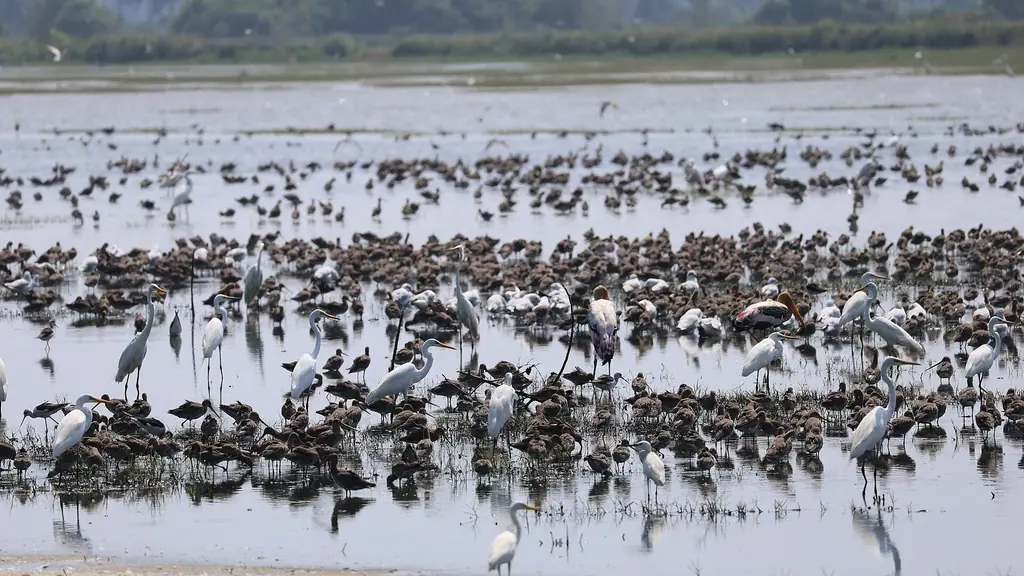
Articles and explainers
4 articles in this topic.
- Biodiversity and ecosystems
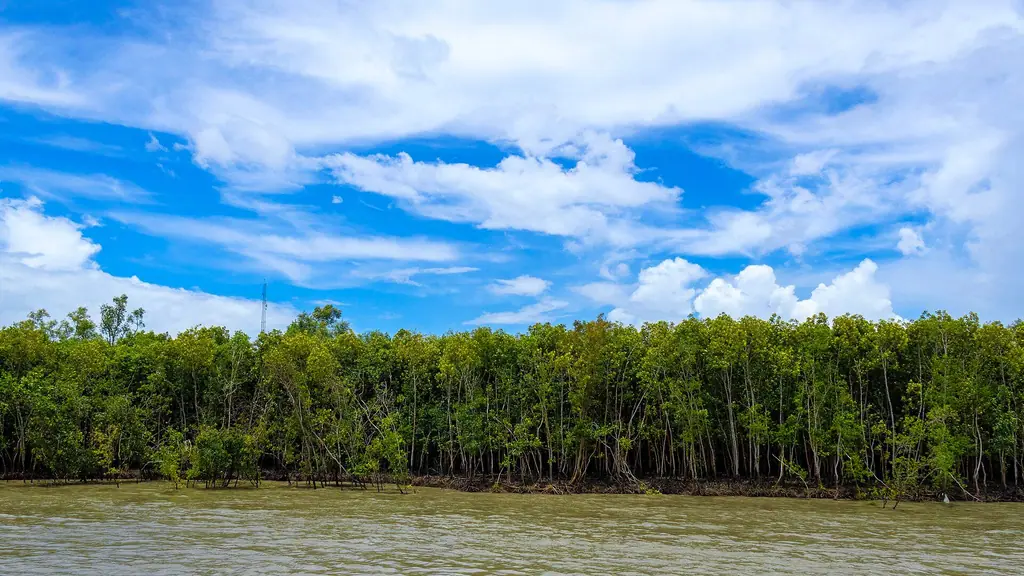
Mangrove and coastal restoration: what works and what fails
Mangroves protect coasts, store carbon and support fisheries. Restoring them is possible, but only when projects get the water, the ground level and local support right.
- Biodiversity and ecosystems
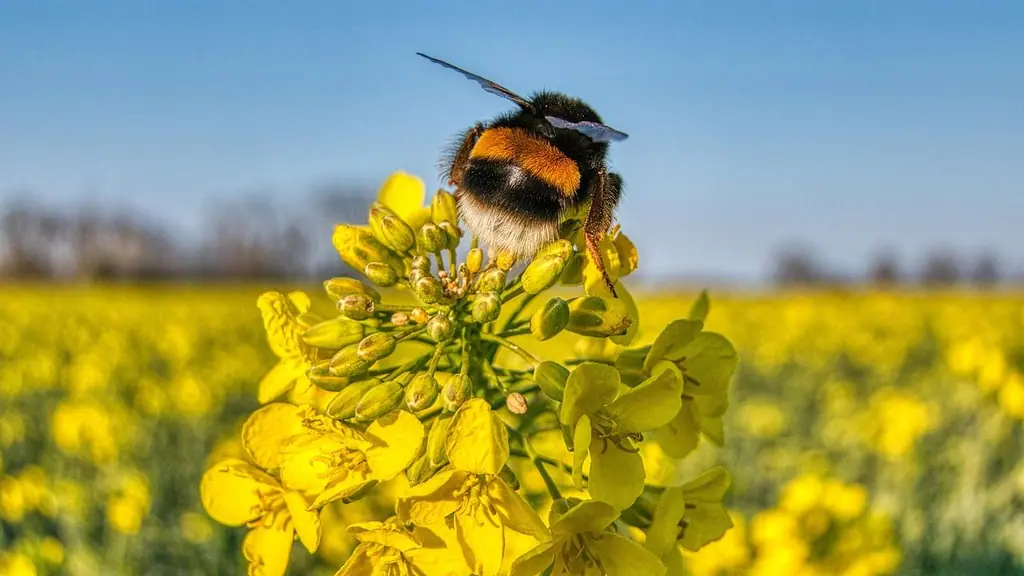
Pollinators and food: what the IPBES assessment found
Bees, flies, butterflies, birds and bats help produce many of the fruits, nuts and seeds we eat. The first global assessment of pollinators shows what is at stake, and what works to protect them.
- Biodiversity and ecosystems
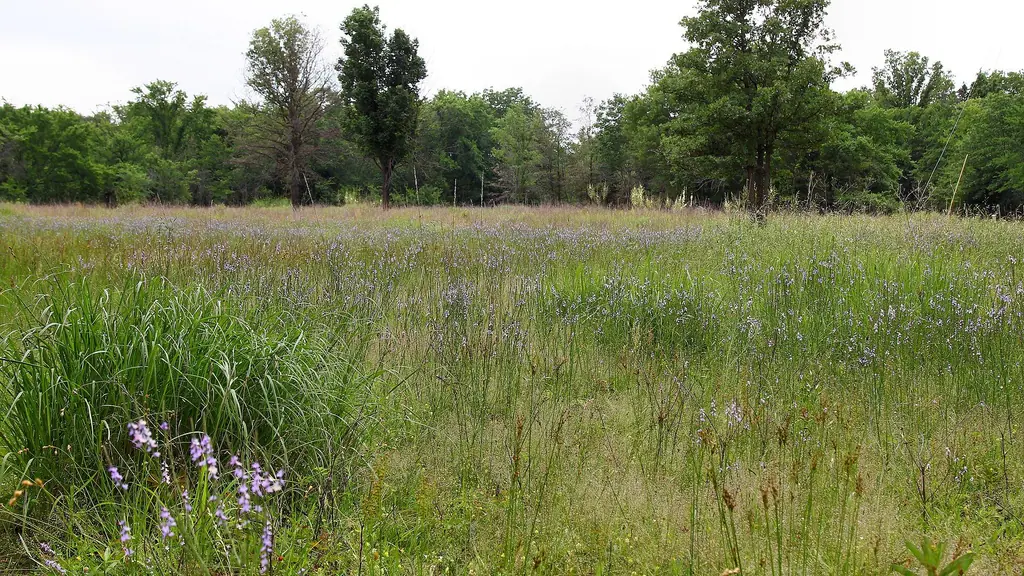
Principles of ecosystem restoration: what good practice looks like
Restoration is more than planting trees. Ten internationally agreed principles set out what it takes to repair degraded ecosystems so that the gains for nature and people last.
- Biodiversity and ecosystems
The five direct drivers of biodiversity loss, explained
The global assessment by IPBES ranked five direct drivers of nature's decline. Understanding how they work, and what lies behind them, shows where action can make the most difference.

Official resources
Primary sources we rely on for this topic.