Food security
Food security means reliable access to enough safe, nutritious food. It depends on production, but also on prices, incomes, infrastructure, land rights and a stable climate. This hub connects the environmental side of food systems with the social and economic one.
See how climate change affects food security, why reducing food loss and waste matters, and how secure land tenure underpins smallholder farming.
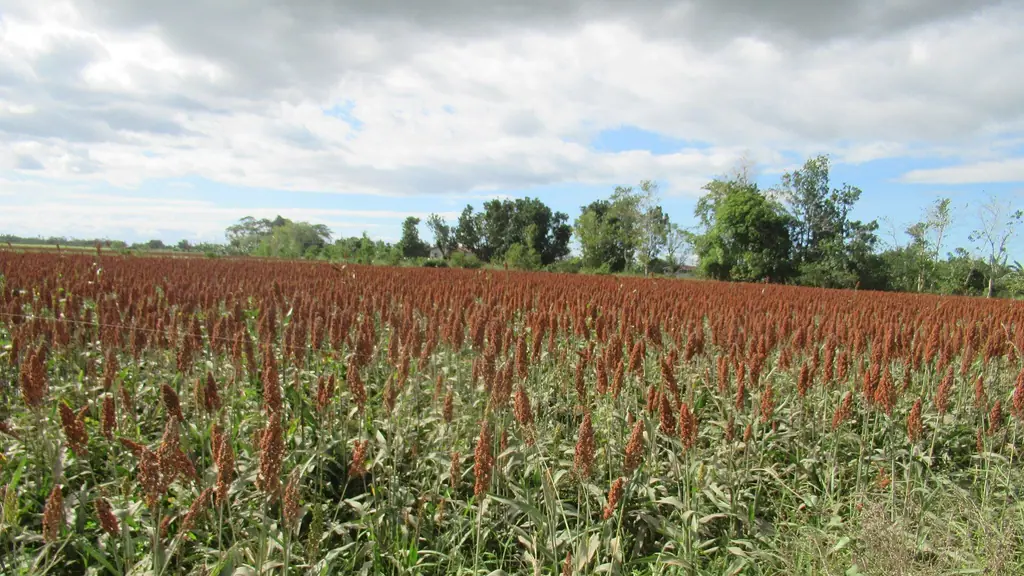
Articles and explainers
3 articles in this topic.
- Food security
Food security and climate change: what the evidence shows
Global hunger has eased for three years running, but warming is already slowing farm productivity and raising the risk of food crises in the most vulnerable regions.
- Food security
Land tenure, smallholders and food security explained
Farmers invest in soil, water and trees when they are confident they will keep their land. The VGGT set out how governments can make that confidence possible.
- Food security
Reducing food loss and waste: SDG 12.3 and what works
Roughly 13% of food is lost before it reaches shops and about a fifth of what consumers can buy is wasted. Where you intervene determines who benefits.
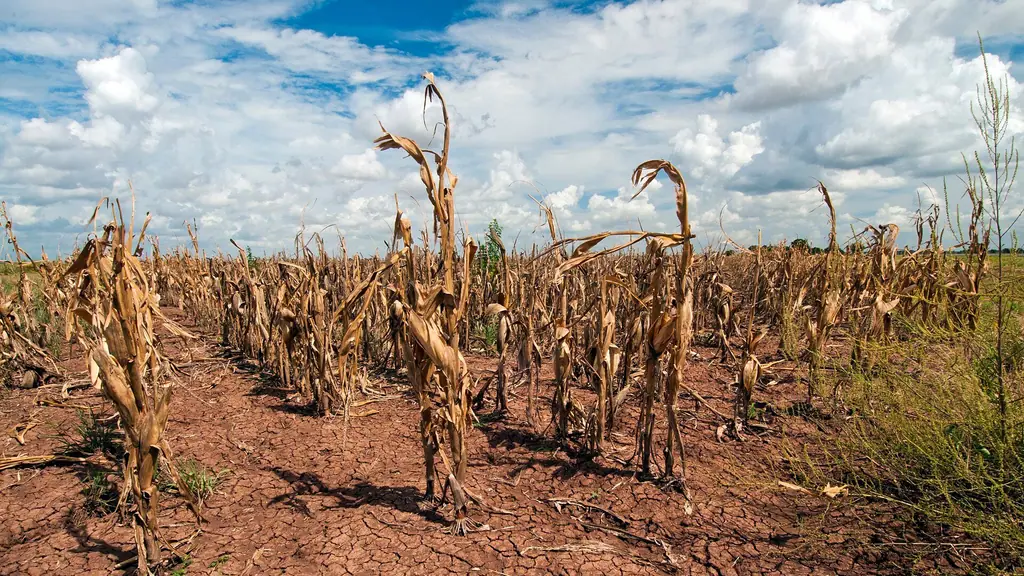

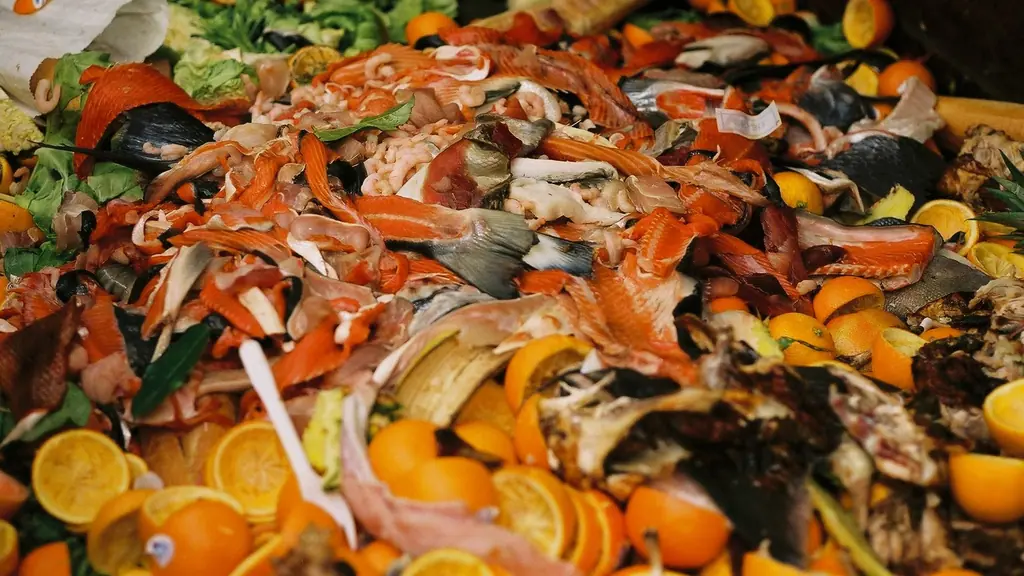

Historical resources
Original explainers at addresses once used by the former UNCCD Global Mechanism. About these pages.
- Dryland forests and food security: why trees matter in drylandsDrylands hold far more trees than was once assumed, and those trees supply food, fodder, fuel and income to some two billion people.
- The Rome Declaration on Nutrition (ICN2) and why healthy land mattersIn November 2014, governments meeting at FAO in Rome committed to end malnutrition in all its forms. The text also recognised that degraded land and drought undermine nutrition.
Official resources
Primary sources we rely on for this topic.