Land restoration and conservation
Healthy land feeds us, stores water and carbon, and supports most of the life on Earth. When soils erode, vegetation is cleared or rangelands are overgrazed, that capacity declines, and recovering it takes decades. This hub explains how land degrades, how restoration works in practice, and how countries measure progress towards land degradation neutrality.
Start with the fundamentals of sustainable land management and soil conservation, then explore the large international restoration commitments and the indicators used to track them.
Articles and explainers
6 articles in this topic.
- Land restoration and conservation
Global land restoration initiatives: a guide to the big pledges
Governments have pledged to restore around a billion hectares of land by 2030. Here is how the main international initiatives fit together, and what their numbers do and do not mean.
- Land restoration and conservation
How land degradation is measured: SDG indicator 15.3.1
To know whether the world is winning or losing ground, countries track three things: what covers the land, how productive it is and how much carbon its soils hold.
- Land restoration and conservation
Land degradation neutrality explained: SDG 15.3 in practice
Land degradation neutrality asks countries to ensure that, across their territory, healthy and productive land stops shrinking. Here is how the idea works and how it is being put into practice.
- Land restoration and conservation
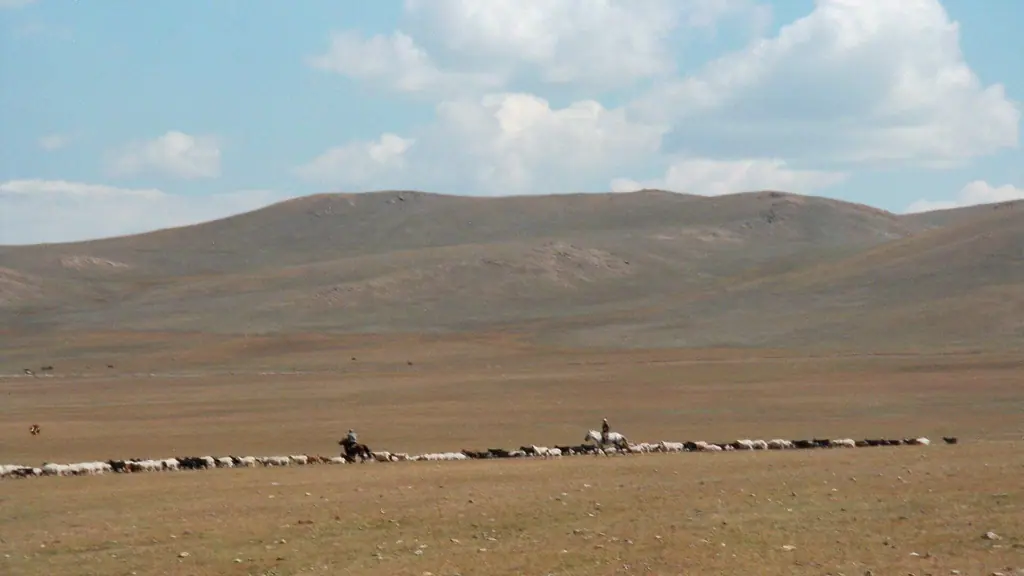
Restoring rangelands and pastoral lands: what works
Rangelands are the largest land use on Earth and among the most overlooked. Restoring them depends as much on supporting pastoralists as on managing grass.
- Land restoration and conservation
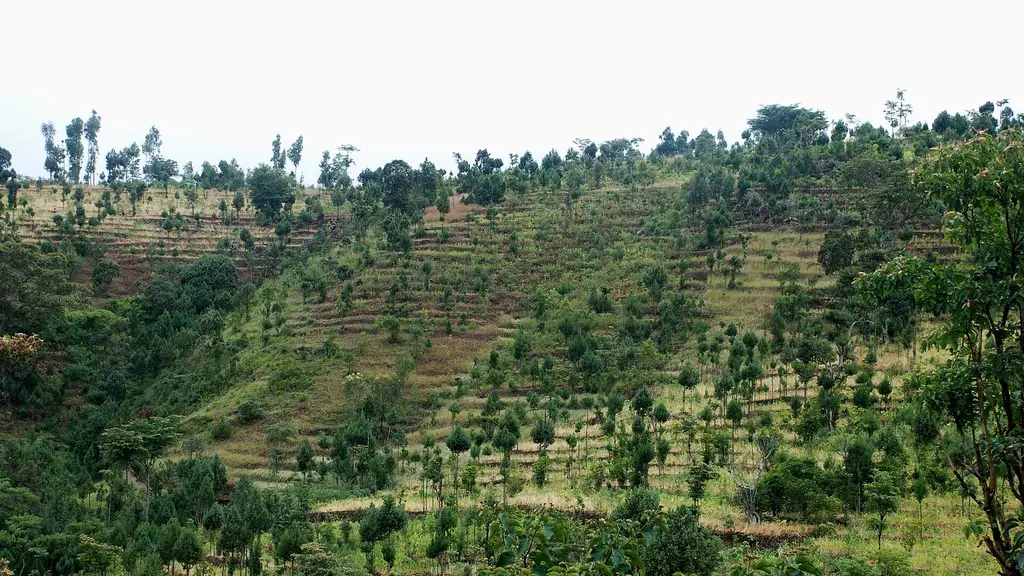
Soil conservation practices that work, and why they matter
Soil forms over centuries but can be lost in a single storm. The good news is that the practices that keep it in place are well known; the challenge is using them widely enough.
- Land restoration and conservation
Sustainable land management explained: principles and practice
Sustainable land management is the everyday work of keeping soils, water, plants and animals productive for the long term, and it is the first line of defence against degradation.

Historical resources
Original explainers at addresses once used by the former UNCCD Global Mechanism. About these pages.
- CACILM: the Central Asian Countries Initiative for Land ManagementLaunched in 2006, CACILM tried to tackle salinity, erosion and degraded pastures across five Central Asian countries through one coordinated, country-driven programme.
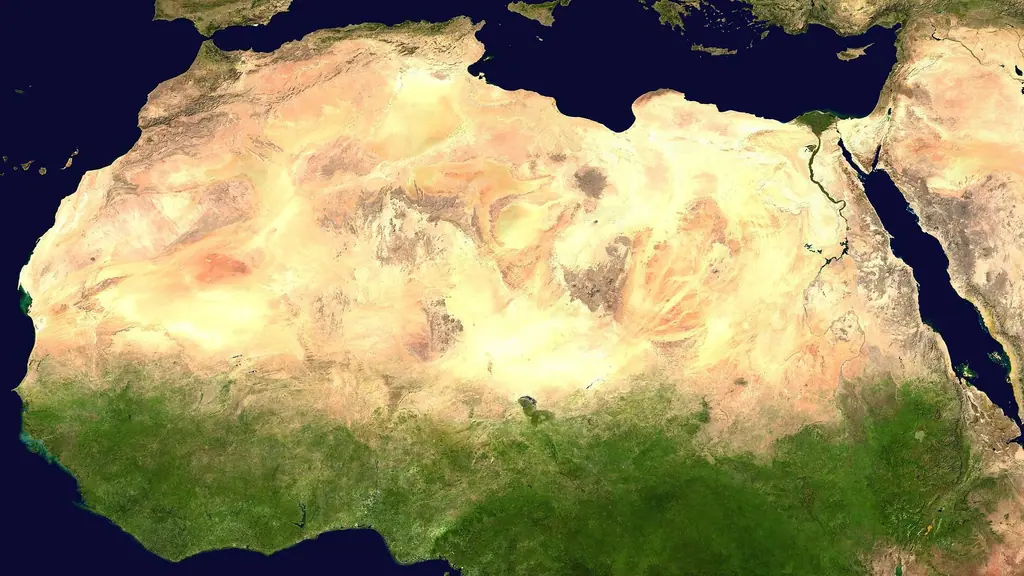
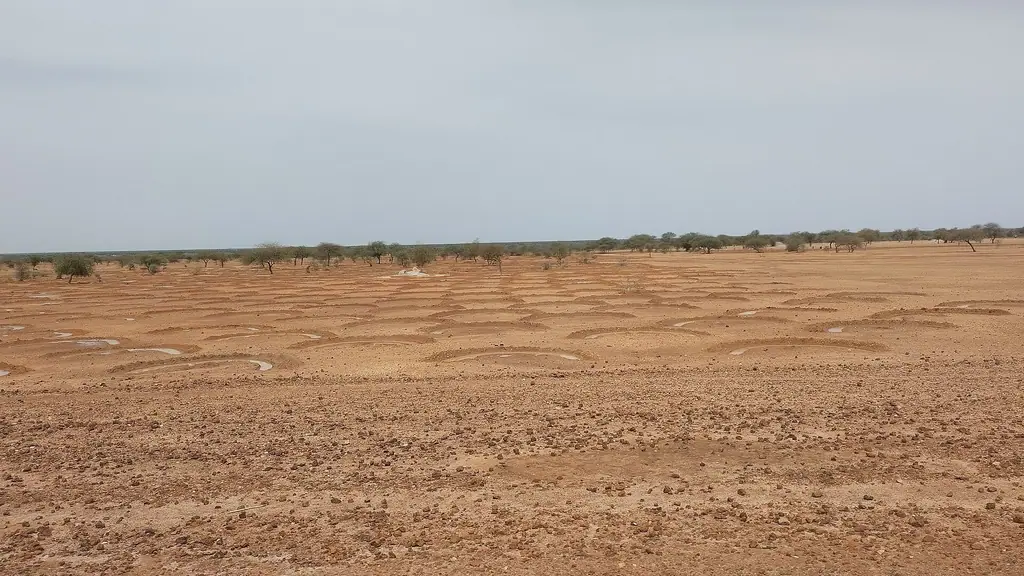
- The Great Green Wall for the Sahara and the Sahel: a guideHow an African Union plan to hold back the Sahara became a mosaic of restoration projects across the Sahel, and what the official progress reports say.
- The LDN Target Setting Programme: how countries set land goalsSince 2015, more than 100 countries have set voluntary targets to stop net land degradation by 2030. Here is how the process worked and what came next.
- World Soil Day (5 December): origins, themes and why it mattersHow a date proposed to honour soil science became an annual UN observance, and what its yearly themes say about the state of the ground beneath our feet.
Official resources
Primary sources we rely on for this topic.