Sustainable agriculture means producing enough food, fibre and income today without degrading the soil, water, biodiversity and communities that future harvests depend on. It is not a brand or a single technique. It is a set of principles that farmers apply differently depending on climate, soil, markets and resources.
This guide explains those principles, describes the main groups of practices, and summarises what the scientific evidence says about where they work, where they struggle, and why adoption is often slow.
The principles behind the practices
The Food and Agriculture Organization of the United Nations (FAO) sets out five principles in its report Building a common vision for sustainable food and agriculture (2014):
- Improving efficiency in the use of resources.
- Conserving, protecting and enhancing natural resources.
- Protecting and improving rural livelihoods, equity and social well-being.
- Enhancing the resilience of people, communities and ecosystems.
- Responsible and effective governance.
The first two principles concern the natural system, the third the human system, and the last two underpin both. The point is that a practice is only sustainable if it holds up on all three fronts: environmental, economic and social.
FAO's framework of ten elements of agroecology offers a complementary lens. It describes agroecological systems through diversity, synergies, efficiency, resilience, recycling and the co-creation of knowledge, set within human and social values, culture and food traditions, responsible governance, and a circular and solidarity economy. FAO presents the elements as an analytical tool for planning and evaluating transitions rather than a checklist.
Practices that protect the soil
Soil is the foundation of almost every farming system, and bare, frequently tilled soil is vulnerable to erosion and loss of organic matter. The IPCC Special Report on Climate Change and Land identifies a set of management options that reduce vulnerability to soil erosion and nutrient loss (very high confidence):
- Green manure and cover crops grown between main crops.
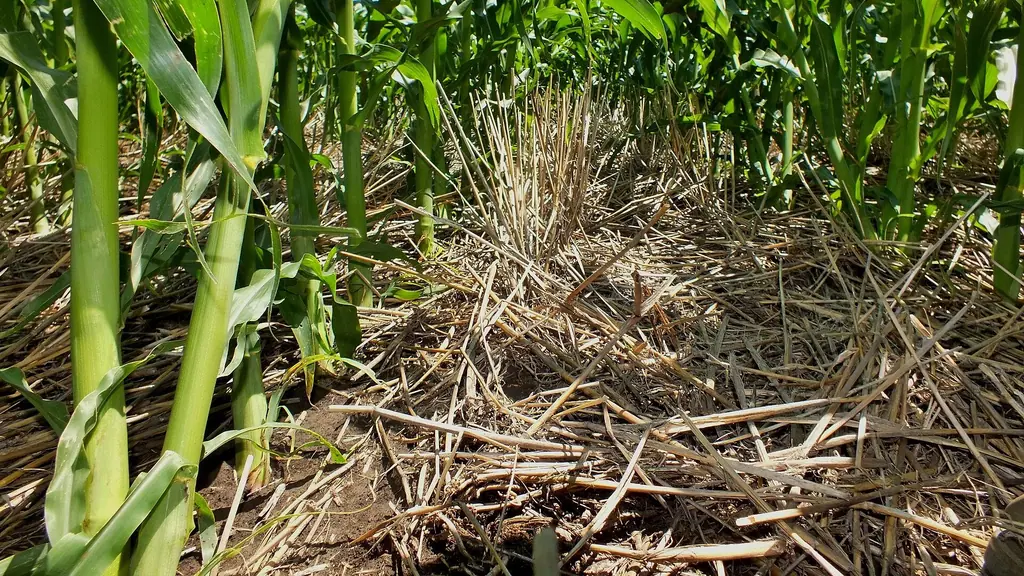
- Crop residue retention instead of burning or removing all residues.
- Reduced or zero tillage.
- Maintaining ground cover through improved grazing management.
The same report estimates that cover crops could sequester about 0.44 ± 0.11 gigatonnes of CO2 per year if applied to 25% of global cropland (high confidence). It also finds that agroforestry, perennial pasture phases and perennial grains can substantially reduce erosion and nutrient leaching while building soil carbon (high confidence).
Results depend on how practices are combined. A global meta-analysis by Pittelkow and colleagues (2015), using more than 5,400 paired observations, found that no-till on its own tends to reduce yields, but that the yield penalty is minimised when it is combined with residue retention and crop rotation, and that the combination can raise rainfed yields in dry climates. Our article on conservation agriculture goes into more detail.
Practices that diversify the farm
Simplified systems, such as large monocultures with short rotations, tend to rely heavily on external inputs to control pests and maintain fertility. Diversification adds functional biodiversity back into the system.
Common approaches include:
- Crop rotation across seasons or years.
- Intercropping, growing two or more crops together.
- Non-crop habitats such as flower strips, hedgerows and field margins.
- Organic amendments such as manure and compost.
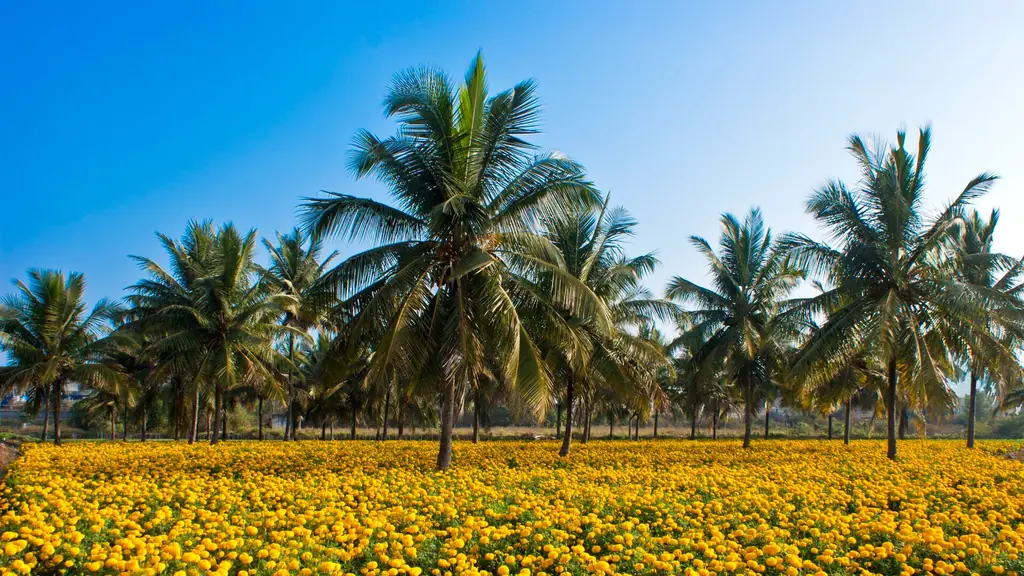
- Integrating trees and livestock, including agroforestry.
The strongest synthesis to date is a second-order meta-analysis by Tamburini and colleagues (2020). Drawing on 98 meta-analyses and more than 5,000 original studies, they found that diversification overall enhanced biodiversity, pollination, pest control, nutrient cycling, soil fertility and water regulation without compromising crop yields. Win-win outcomes were most common. The authors also stress variability and trade-offs: in their vote count, crop yield and climate regulation showed the highest shares of negative responses, so outcomes depend on context.
Trees deserve special mention. The IPCC's Sixth Assessment Report on adaptation lists agroforestry and farm and landscape diversification among effective adaptation options for food systems (high confidence). See agroforestry and farmer-managed natural regeneration for a detailed case study.
Managing pests with less risk
FAO describes integrated pest management (IPM) as a response to rising pesticide use that led to pest resurgence, secondary pest outbreaks and resistance, along with growing awareness of costs to health and the environment.
IPM combines biological, physical, cultural and, where necessary, chemical methods. In practice this often means:
- monitoring pest levels and acting only when they threaten economic damage;
- choosing resistant varieties and adjusting planting dates;
- protecting natural enemies of pests, for example through habitat strips;
- using the least hazardous effective product, applied in a targeted way.
The aim, in FAO's framing, is a healthy crop with minimal disruption to the agroecosystem, encouraging natural pest control rather than replacing it.
Using nutrients efficiently
Nitrogen fertiliser has been central to rising yields, but nitrogen that crops do not take up can leach into water, fuel algal blooms or be emitted as nitrous oxide, a potent greenhouse gas. Zhang and colleagues (2015) argue that improving nitrogen use efficiency is critical for meeting food demand while addressing environmental degradation and climate change. They found a broad range of national approaches and stress that progress depends on socio-economic factors as well as technology.
Practical steps often grouped under nutrient management include:
- testing soils and matching fertiliser rates to crop needs;
- timing and placing fertiliser to reduce losses;
- using legumes in rotations to fix nitrogen biologically;
- recycling manure and crop residues, a core idea in agroecology.
Efficiency does not always mean using less. Where soils are already depleted and farmers cannot afford enough fertiliser, sustainable nutrient management may mean applying more nutrients, combined with organic matter, rather than fewer.
Using water wisely
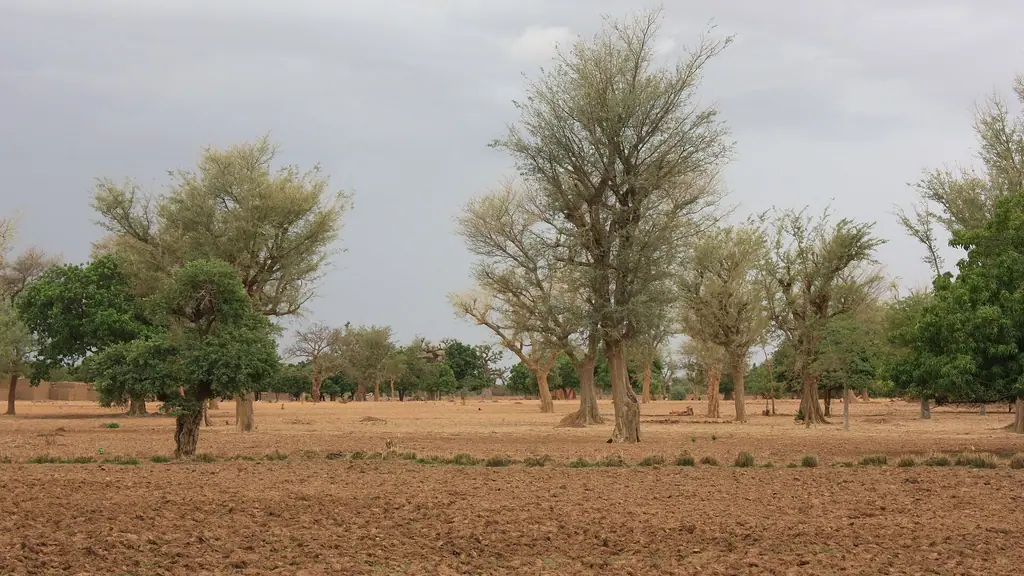
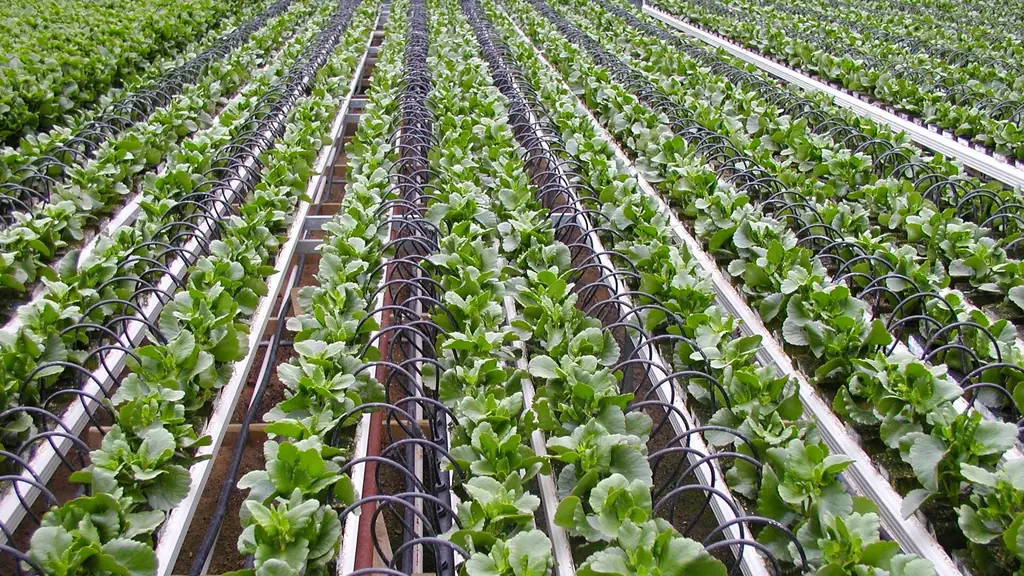
Agriculture accounts for roughly 70% of global freshwater use, according to the IPCC land report. On-farm water management, soil moisture conservation and irrigation are among the most common adaptation responses, but the IPCC warns that poorly managed irrigation can deplete groundwater and salinise soils. Mulching, cover and good soil structure help rain soak in and reduce evaporation. Our article on water-efficient irrigation in drylands explains why higher irrigation efficiency does not automatically save water at basin scale.
Comparing the main practice groups
| Practice group | Main benefits | Common trade-offs or limits |
|---|---|---|
| Soil cover, residues, reduced tillage | Less erosion, better water infiltration, more surface organic matter | Residues may be needed for fodder; weed control can be harder |
| Diversification and rotations | Pest control, nutrient cycling, pollination, resilience | More management knowledge; markets for extra crops |
| Agroforestry | Erosion control, fodder, fuel, income diversification, carbon | Slow establishment; tree rights; competition for light and water |
| Integrated pest management | Fewer pesticide risks, slower resistance | Requires monitoring skills and advice |
| Nutrient management | Higher efficiency, less pollution | Soil testing and advice may be costly or unavailable |
Why adoption is often slow
If these practices work, why are they not universal? The IPCC land report finds that many sustainable land management practices are not widely adopted because of insecure land tenure, lack of access to resources and agricultural advisory services, insufficient and unequal incentives, and lack of knowledge and practical experience (high confidence).
The adaptation report adds that approaches working with natural processes face barriers such as establishment costs, access to inputs and viable markets, and the need for new knowledge, and that their effectiveness varies with socioeconomic context, ecosystem and institutional support (high and medium confidence).
This has practical implications:
- Advice matters. Extension services and farmer-to-farmer learning help practices fit local conditions.
- Transition costs are real. Some practices pay off only after several seasons, which is hard for farmers without savings or credit.
- Rights and markets shape incentives. Farmers are more likely to invest in soil and trees when they have secure tenure and can sell diversified products. See land tenure, smallholders and food security.
Key takeaways
- Sustainable agriculture rests on principles of resource efficiency, natural resource protection, livelihoods, resilience and good governance.
- Soil cover, residue retention, reduced tillage and improved grazing reduce erosion and nutrient loss, with very high confidence according to the IPCC.
- A large synthesis found that diversification generally boosts ecosystem services without reducing yields, though results vary by context.
- Integrated pest management and careful nutrient management reduce risks to health and the environment.
- Adoption depends on secure tenure, advice, incentives and markets, not only on technical merit.
Frequently asked questions
Is sustainable agriculture the same as organic farming?
No. Organic farming is one certified system with specific rules on synthetic inputs. Sustainable agriculture is a broader set of principles that can include organic, conventional and mixed systems, as long as they protect resources and livelihoods over time.
Do sustainable practices always lower yields?
Not necessarily. The synthesis by Tamburini and colleagues found that diversification generally did not compromise yields, and no-till combined with residues and rotation can raise yields in dry climates. However, some practices reduce yields in some settings, especially in the early years of a transition.
What is the easiest first step for a farm?
It depends on the farm, but keeping soil covered with crops, cover crops or residues is widely recommended because it reduces erosion and improves water infiltration. Local extension advice is the best guide.
Sources
- Building a common vision for sustainable food and agriculture: Principles and approaches FAO, 2014
- The 10 elements of agroecology: Guiding the transition to sustainable food and agricultural systems FAO, 2018
- Climate Change and Land: Summary for Policymakers IPCC, 2019
- Climate Change 2022: Impacts, Adaptation and Vulnerability. Summary for Policymakers IPCC, 2022
- Agricultural diversification promotes multiple ecosystem services without compromising yield Science Advances (via PubMed Central), 2020
- Integrated Pest Management FAO, 2026
- Managing nitrogen for sustainable development Nature, 2015
- Productivity limits and potentials of the principles of conservation agriculture Nature, 2015
How this article was made: researched and drafted with the help of AI tools, then checked against the sources listed above. Read our editorial policy. Spotted an error? Tell us.