Transport is one of the most stubborn sources of greenhouse gas emissions. Vehicles last for years, cities are built around existing roads, and travel demand tends to rise with incomes. Yet the evidence on what works is now fairly clear. The Intergovernmental Panel on Climate Change (IPCC) organises the options into a simple framework: avoid, shift and improve.
This article explains each element, what the evidence says about its potential, and how the three fit together.
The scale of the problem
According to the IPCC's Sixth Assessment Report chapter on transport, direct greenhouse gas emissions from transport reached 8.7 gigatonnes of CO2-equivalent in 2019, up from 5.0 gigatonnes in 1990. Transport accounted for 23% of global energy-related CO2 emissions. Road vehicles produced 70% of direct transport emissions, with rail at 1%, shipping at 11% and aviation at 12%. The IPCC also notes that transport emissions in developing regions have been rising faster than in Europe or North America.
The IPCC's Summary for Policymakers indicates how steep the decline needs to be. In modelled pathways that limit warming to 1.5 °C with no or limited overshoot, global transport CO2 emissions fall by 59% by 2050 relative to modelled 2020 levels (interquartile range 42–68%). In pathways limiting warming to 2 °C, the fall is 29%.
What avoid-shift-improve means
The IPCC transport chapter defines the three strategies as follows:
| Strategy | Aim | Examples from the IPCC |
|---|---|---|
| Avoid | Reduce total vehicle travel | Compact communities, policies that shorten distances, pricing and demand management |
| Shift | Move travel to lower-emitting modes | Multimodal planning that improves active and collective transport, complete streets, priority for high-occupancy vehicles, integrated journey planning and payment |
| Improve | Cut emissions per kilometre | Hybrid and electric vehicle incentives, lower-carbon fuels, scrapping high-emitting vehicles, efficient driving and anti-idling campaigns |
The IPCC cites estimates that a balanced combination of avoid, shift and improve measures could reduce transport emissions by 2.39 gigatonnes of CO2-equivalent by 2030 and 5.74 gigatonnes by 2050. These are estimates from the literature rather than guarantees, but they show that the three strategies reinforce each other.
Avoid: reduce the need to travel
The cleanest trip is the one that does not need to happen, or that is short enough to walk.
Urban form is the biggest lever. The IPCC transport chapter finds that cities can cut their transport-related fuel consumption by around 25% through more compact land use combined with less car-dependent infrastructure. The IPCC urban chapter adds that integrated spatial planning for compact, resource-efficient growth, through higher residential and job densities, mixed land use and transit-oriented development, could reduce urban greenhouse gas emissions by 23–26% by 2050 compared with business as usual.
Digital substitution helps, with caveats. The IPCC notes that pandemic lockdowns demonstrated how teleworking could replace many work and personal journeys. But it also warns of rebound effects: online shopping with priority delivery can increase freight traffic, and ride-hailing can increase vehicle-kilometres.
Concepts such as the "15-minute" or "20-minute" city, where daily needs are within a short walk or ride, are practical applications of the avoid principle. Dubai's version is discussed in sustainable urban mobility in Dubai.
Shift: move trips to efficient modes
Moving people on foot, by bicycle or in well-used buses and trains generally produces far lower emissions per passenger than moving them one or two at a time in cars, although public transport performance depends on how full vehicles are.
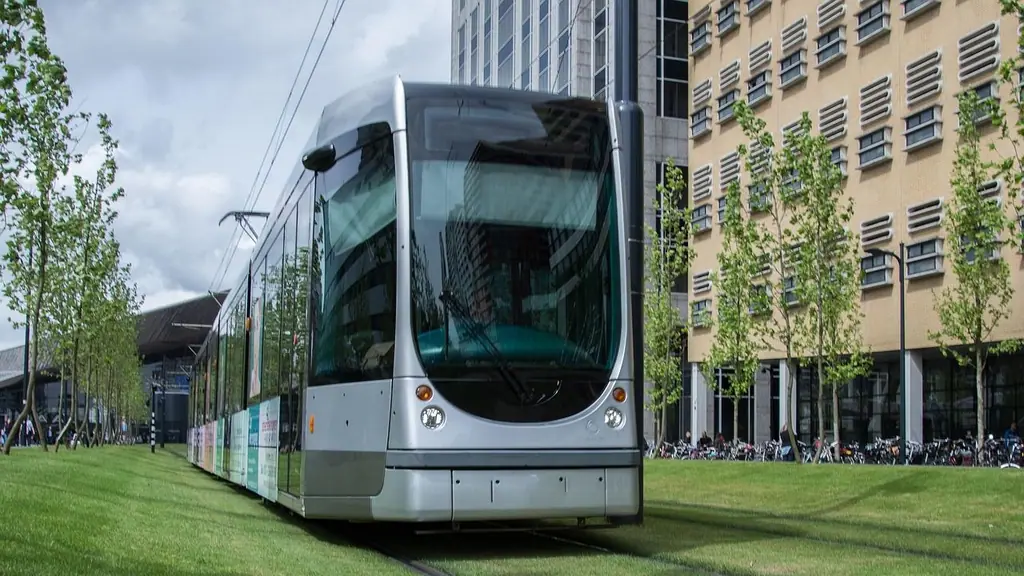
The IPCC's Summary for Policymakers states, with high confidence, that investment in public transport and in active transport infrastructure such as bicycle and pedestrian pathways can support a shift to less greenhouse-gas-intensive modes. It adds that changes in urban form combined with programmes that encourage behaviour change, such as transport pricing, can reduce transport emissions in developed countries and slow their growth in developing ones.
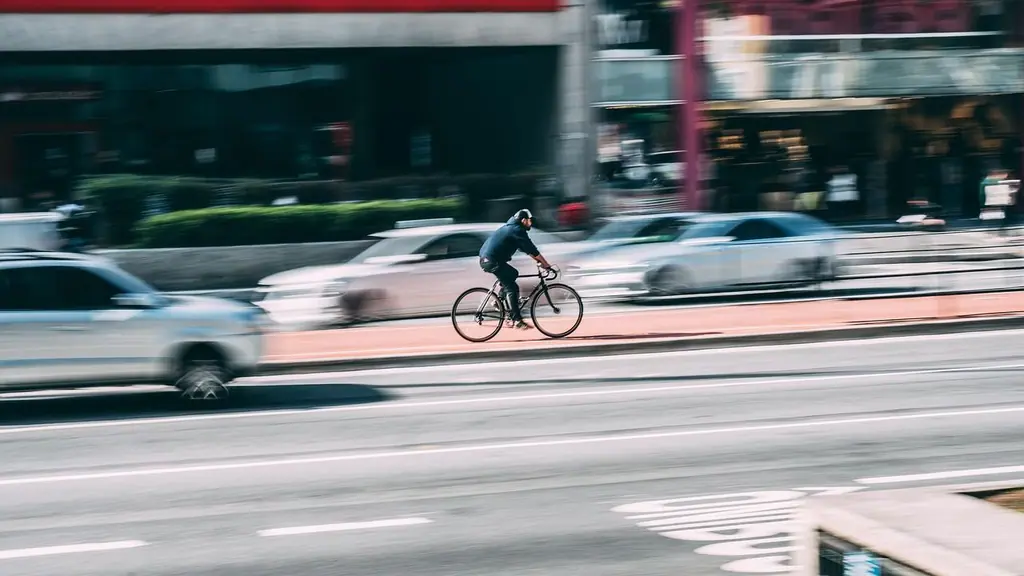
Evidence on individual behaviour supports this. A longitudinal study of 1,849 people in seven European cities, published in 2021, found that increases in cycling and walking consistently lowered people's mobility-related lifecycle CO2 emissions. It estimated that cycling one more trip a day and driving one fewer, for 200 days a year, would save about half a tonne of CO2 per person per year. We look at the evidence in more detail in the environmental benefits of cycling.
Shift strategies depend on quality. People choose public transport and cycling when they are frequent, reliable, safe, affordable and comfortable, which in hot climates includes shade and cooling. See sustainable transportation in hot climates.
Improve: cleaner vehicles and fuels
Even with less travel and more walking, cycling and transit, many trips will still be made by vehicle. Improving those vehicles is essential.
The IPCC finds with high confidence that battery-electric vehicles have lower lifecycle emissions than combustion-engine vehicles when charged with low-carbon electricity, and the Summary for Policymakers identifies electric vehicles powered by low-emissions electricity as offering the largest decarbonisation potential for land transport on a lifecycle basis. The IPCC also notes that electrification is spreading rapidly in micromobility such as e-bikes, e-scooters and electric auto-rickshaws, and in bus fleets.
Market data show the scale of the change. The International Energy Agency reports that electric car sales exceeded 17 million worldwide in 2024, more than 20% of new car sales, and expected sales to exceed 20 million in 2025.
But "improve" has limits on its own. Electric vehicles still require batteries with significant manufacturing footprints, which the IPCC says must be reduced, and their climate benefit depends on how clean the electricity grid is. Electric cars also do nothing for congestion, road safety or the space taken by parking. For shipping and aviation, the IPCC notes that low-carbon fuels such as advanced biofuels, ammonia and synthetic fuels are emerging but still need development.
Why the combination matters
Each strategy addresses a different part of the emissions equation:
- Avoid reduces the total distance travelled.
- Shift reduces the share of that distance travelled by high-emitting modes.
- Improve reduces emissions per kilometre for what remains.
Relying on only one strategy makes the others harder. A city that electrifies cars but keeps sprawling will need ever more electricity, batteries and roads. A city that builds metro lines but zones homes far from stations will struggle to fill them.
The IPCC's Summary for Policymakers concludes, with high confidence, that comprehensive demand-side strategies across all sectors could reduce global emissions by 40–70% by 2050 compared with scenarios based on policies announced up to 2020. It also notes that many transport mitigation options bring co-benefits, including cleaner air, better health, fairer access to transport and less congestion.
Co-benefits: cleaner air and better health
Transport emissions are not only a climate issue. The World Health Organization estimates that ambient air pollution caused 4.2 million premature deaths worldwide in 2019, and lists policies supporting cleaner transport among those that would reduce key sources. Walking and cycling also add physical activity to daily life.
These co-benefits often make the political case for transport reform stronger than climate arguments alone.
What individuals, schools and businesses can do
- Avoid: combine errands, choose local services, work remotely where it makes sense.
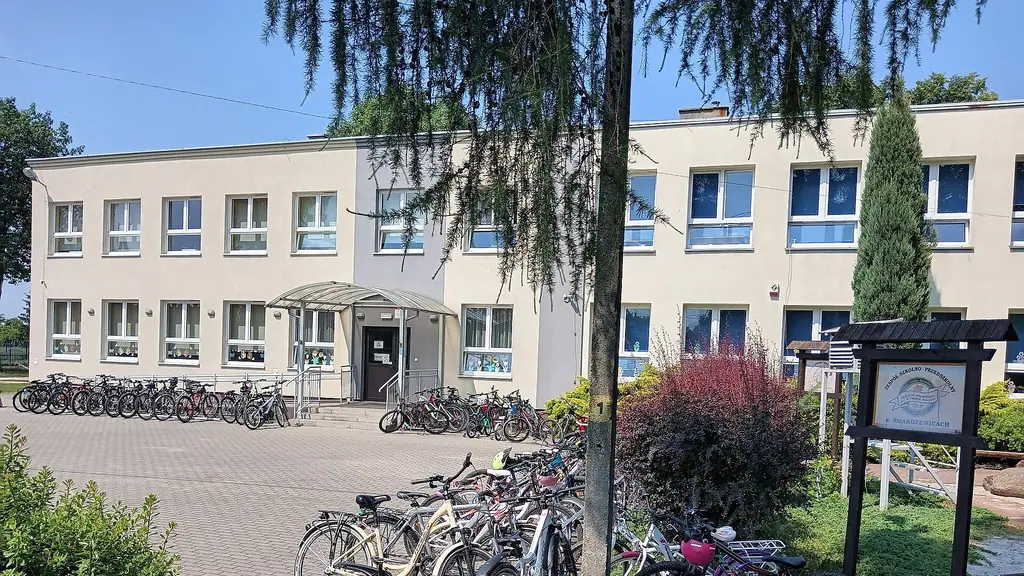
- Shift: walk or cycle for short trips, use public transport for longer ones, support safe routes to school (see cycling to school).
- Improve: if a car is necessary, choose the most efficient option available, drive efficiently, avoid idling and share rides.
Organisations can offer secure bike parking, transit passes and flexible hours, and can include travel in their emissions accounting.
Key takeaways
- Transport produced 8.7 Gt CO2-eq of direct emissions in 2019, 70% of it from road vehicles, according to the IPCC.
- Avoid-shift-improve combines reducing travel demand, moving trips to efficient modes and cleaning up vehicles.
- Compact, mixed-use urban form can cut transport fuel use by around 25%, the IPCC finds.
- Electric vehicles are essential but work best alongside walking, cycling and public transport.
- Many transport measures also improve air quality and public health.
Frequently asked questions
Isn't switching to electric cars enough?
Not on its own. Electric vehicles charged with low-carbon electricity cut lifecycle emissions, but the IPCC emphasises that demand reduction and mode shift are also needed to meet climate goals, and they address congestion, safety and land use that electric cars do not.
Where does the avoid-shift-improve framework come from?
It is widely used in transport policy and is set out in the IPCC's Sixth Assessment Report, which uses it to organise transport mitigation strategies.
Which strategy should cities start with?
Most need all three at once. Land-use and infrastructure decisions shape travel for decades, so avoid and shift measures are best built into planning now, while vehicle improvements proceed in parallel.
Sources
- Chapter 10: Transport. Climate Change 2022: Mitigation of Climate Change IPCC, 2022
- Summary for Policymakers. Climate Change 2022: Mitigation of Climate Change IPCC, 2022
- Chapter 8: Urban systems and other settlements. Climate Change 2022: Mitigation of Climate Change IPCC, 2022
- Global EV Outlook 2025: Executive summary International Energy Agency, 2025
- The climate change mitigation impacts of active travel: Evidence from a longitudinal panel study in seven European cities Global Environmental Change (Elsevier), 2021
- Ambient (outdoor) air pollution (fact sheet) World Health Organization, 2024
How this article was made: researched and drafted with the help of AI tools, then checked against the sources listed above. Read our editorial policy. Spotted an error? Tell us.