The greenest bicycle is usually the one you already own. Because a bike burns no fuel, nearly all of its lifecycle emissions come from extracting materials and manufacturing it. Every extra year it stays on the road spreads that footprint across more kilometres and delays the need for a replacement.
This guide covers routine care that most riders can do at home with basic tools, the extra attention bikes need in hot, sandy or humid places, how to look after e-bike batteries, and how to tell when a part needs replacing. It is general guidance: always follow the manufacturer's instructions for your bike, and use a qualified mechanic for safety-critical work you are unsure about.
Why lifespan matters
A 2022 review chapter by Brand and colleagues explains that a vehicle's economic lifetime and annual distance are key to its per-kilometre emissions: the longer it is used, the lower the production and disposal emissions attributed to each kilometre. The lifecycle estimates they cite, from the OECD's International Transport Forum, assumed a typical private bike lifetime of eight years, reduced to 5.6 years on average once theft, accidents and vandalism were factored in.
That gap between eight years and 5.6 is a reminder that lifespan is not only about wear. Secure storage and good locking practice protect the environmental investment in a bike as much as oil and spanners do. For the bigger picture, see the environmental benefits of cycling.
Start with a quick check before riding
Road safety educators in the United States teach a simple pre-ride routine called the ABC Quick Check, promoted by the League of American Bicyclists. It takes a minute and catches most problems before they cause damage:
- A is for air. Check tyre pressure, spin the wheels and look for worn tyres.
- B is for brakes. Squeeze the levers and check they do not touch the handlebars; spin each wheel and confirm the brake stops it; check that pads are clean, straight and meet the rim or disc correctly.
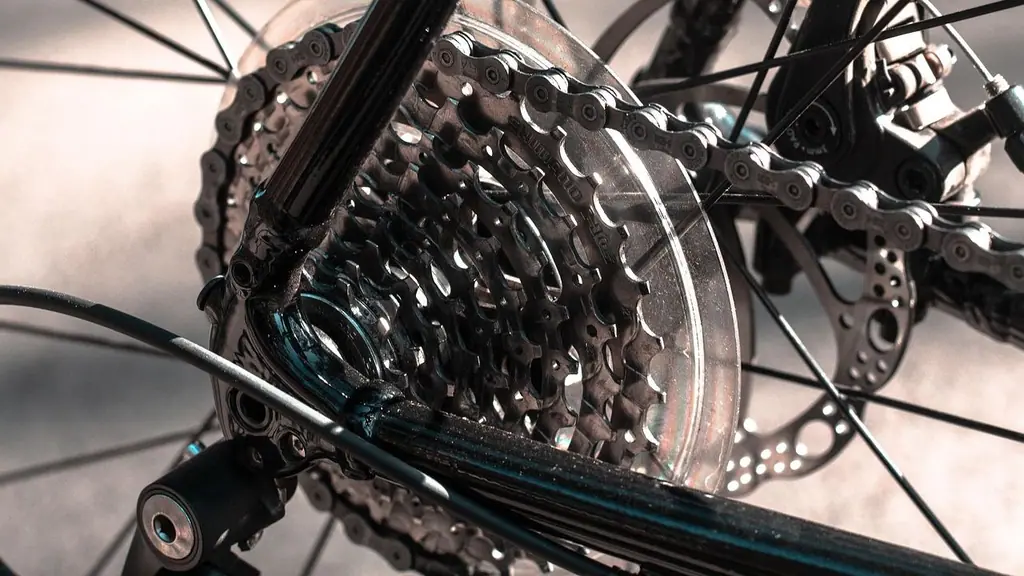
- C is for cranks, chain and cogs. Wiggle the crank arms (there should be no play), spin the pedals to see the chain drives the rear wheel, and check that the chain looks like clean metal rather than rust or black grime. Test that the gears shift.
- Quick refers to quick-release levers on wheels and seat posts, which should be firmly closed.
- Check means a short, slow test ride to confirm everything works.
Some local rules make these checks a legal duty, not just good practice. In Dubai, for example, the 2022 resolution regulating bicycles makes riders responsible for keeping brakes and tyres in good condition and requires a white front lamp, a red rear lamp and reflector, a bell and brakes on both wheels, according to the Government of Dubai Media Office.
Cleaning: remove grit before it becomes grinding paste
Dirt is the main enemy of moving parts. Fine sand and dust mixed with oil form an abrasive paste that wears chains, cassettes, chainrings and brake surfaces far faster than clean riding.
A practical routine:
- Rinse or brush off loose dirt with low-pressure water or a soft brush. Avoid high-pressure jets aimed at bearings, hubs and the bottom bracket, which can push water and grit past seals.
- Degrease the chain and gears with a bike-specific or mild biodegradable degreaser and a brush.
- Wash the frame with mild soapy water and rinse.
- Dry thoroughly, especially the chain, then lubricate.
How often depends on conditions. After rain, beach rides, dusty desert tracks or a sandstorm, clean the drivetrain promptly. In dry, clean conditions a quick wipe of the chain every week or two may be enough. Our explainer on sand and dust storms describes why fine dust gets everywhere.
Lubrication: little and often
Chains need lubricant inside the rollers, not on the outside where it attracts dirt.
- Apply one drop of chain lubricant to each roller while turning the pedals backwards.
- Leave it a few minutes to penetrate, then wipe off the excess with a clean cloth.
- Chain lubricants are commonly sold as "dry" types, intended for dusty conditions, and "wet" types, intended to resist wash-off in rain. Choose one that suits your conditions and follow the product's instructions.
- Lightly lubricate brake and gear lever pivots and cable entry points, but never get lubricant on rims, brake pads or disc rotors.
A chain that squeaks, looks rusty or feels stiff when you turn the pedals backwards needs attention.
Tyre pressure: the cheapest maintenance there is
Correctly inflated tyres roll more easily, resist punctures better and protect rims from damage on kerbs and potholes.
- Find the recommended pressure range printed on the tyre sidewall and stay within it.
- Check pressure at least weekly with a gauge or a pump that has one; tyres lose air gradually even without a puncture.
- Inspect treads and sidewalls for cuts, embedded glass or thorns, and cracking.
In hot climates, avoid leaving a bike in direct sun for long periods, as heat raises tyre pressure and prolonged sun exposure can age rubber, tape and plastic parts.
Storage in heat, sand and humidity
Where and how a bike is stored can matter as much as how it is ridden.
- Shade and shelter. Store indoors or under cover, out of direct sunlight, to protect tyres, saddles, grips, paint and any electronics.
- Keep it dry. In humid coastal air, moisture and salt can corrode chains, bolts and cables. Wipe the bike down after riding near the sea and store it where air circulates.
- Cover against dust. A breathable cover helps where wind-blown sand is common; avoid plastic sheeting that traps moisture.
- Secure it. Theft shortens a bike's working life more abruptly than any wear. Lock the frame and at least one wheel to a fixed object, and use secure parking where it is available.
Looking after e-bike batteries
Lithium-ion batteries are usually the most expensive single component of an e-bike and the most sensitive to heat. UK government fire safety guidance from the Fire Kills campaign advises:
- Do not charge or store batteries in direct sunlight or in hot locations above 45 °C.
- Do not leave a battery charging unattended, while you are out or while you are asleep.
- Do not cover chargers or battery packs while charging.
- Charge removable batteries on a hard, flat surface where heat can disperse, in a well-ventilated area.
- Unplug the charger when charging is finished.
The UK Department for Transport's battery safety guidance, written for e-scooters but applicable to similar batteries, adds: use only the supplied or manufacturer-authorised charger, avoid excessively hot, cold or damp areas especially for charging, and stop using a battery immediately if it becomes extremely hot to the touch, bulges, leaks or makes unusual noises.
In hot cities, that means not leaving an e-bike battery in a parked car, on a sunny balcony or in an unventilated store room in summer.
Replacing rather than discarding
A failing battery should not mean scrapping the whole bike. Under the EU Batteries Regulation, from 18 February 2027 e-bike batteries placed on the EU market, and the individual cells within them, must be readily removable and replaceable by an independent professional. Never open a battery pack yourself, and recycle old batteries at designated collection points rather than in household waste.
When to replace parts
Many parts are designed to wear out so that more expensive components last longer. Replacing them on time is what keeps the rest of the bike going.
| Part | Signs it needs replacing |
|---|---|
| Chain | Gears skip under load, the chain looks stretched, or a chain-wear gauge shows wear beyond the manufacturer's limit |
| Brake pads | Grooves worn away, metal backing visible, squealing or reduced braking |
| Tyres | Visible casing threads, deep cuts, cracked sidewalls, frequent punctures |
| Cables and housing | Fraying, rust, sticky or slow shifting and braking |
| Rims (rim brakes) | Wear indicator line worn away, or a concave braking surface |
| Bar tape and grips | Torn, slippery or crumbling surfaces |
Replacing a worn chain early protects the cassette and chainrings, which wear much faster once the chain is stretched. If in doubt about brakes, steering, wheels or the frame, consult a qualified mechanic; these are safety-critical.
Building a routine
- Before every ride: ABC Quick Check.
- Weekly: check tyre pressure; wipe and lubricate the chain if it has been dusty or wet.
- Monthly: full clean of the drivetrain, inspect brake pads, tyres and cables, check that bolts are secure.
- Yearly, or more often with heavy use: a professional service covering bearings, wheel truing and a full safety inspection.
Keeping a simple log of services and replaced parts helps you spot patterns and plan ahead. When repairs are beyond you, community workshops and repair cafés can help; see bicycle repair and the circular economy.
Key takeaways
- Manufacturing dominates a bicycle's lifecycle footprint, so a longer working life means lower emissions per kilometre.
- A one-minute pre-ride check of air, brakes, chain and quick releases catches most problems early.
- Sand, dust and salt accelerate wear: clean and dry the drivetrain promptly and store bikes in shade and shelter.
- Keep e-bike batteries out of direct sun and away from locations hotter than 45 °C, and never charge them unattended.
- Replacing chains, pads and tyres on time protects the more expensive parts of the bike.
Frequently asked questions
How often should I lubricate my chain?
It depends on conditions. A common approach is to lubricate after cleaning and whenever the chain looks dry, squeaks or has been ridden in rain, sand or dust. Always wipe off excess lubricant.
Can I leave my bike outside in a hot climate?
It is better not to. Direct sun ages tyres, saddles and plastics, and e-bike batteries should not be stored in direct sunlight or anywhere above 45 °C, according to UK fire safety guidance.
What makes a bike last for decades?
A sound frame, regular cleaning and lubrication, timely replacement of wearing parts, dry and secure storage, and protection from theft.
Sources
- Cycling, climate change and air pollution (Advances in Transport Policy and Planning, Vol. 10, author accepted manuscript) University of Oxford Research Archive, 2022
- ABC Quick Check Pedestrian and Bicycle Information Center (Bicycle Safer Journey), n.d.
- Education Video Series: Basic Bike Check League of American Bicyclists, 2013
- E-bikes and e-scooters Fire Kills campaign, UK Government, n.d.
- Battery safety for e-scooter users UK Department for Transport, 2024
- Regulation (EU) 2023/1542 concerning batteries and waste batteries EUR-Lex, European Union, 2023
- Hamdan bin Mohammed issues Resolution regulating the use of bicycles and electric bikes and scooters Government of Dubai Media Office, 2022
How this article was made: researched and drafted with the help of AI tools, then checked against the sources listed above. Read our editorial policy. Spotted an error? Tell us.