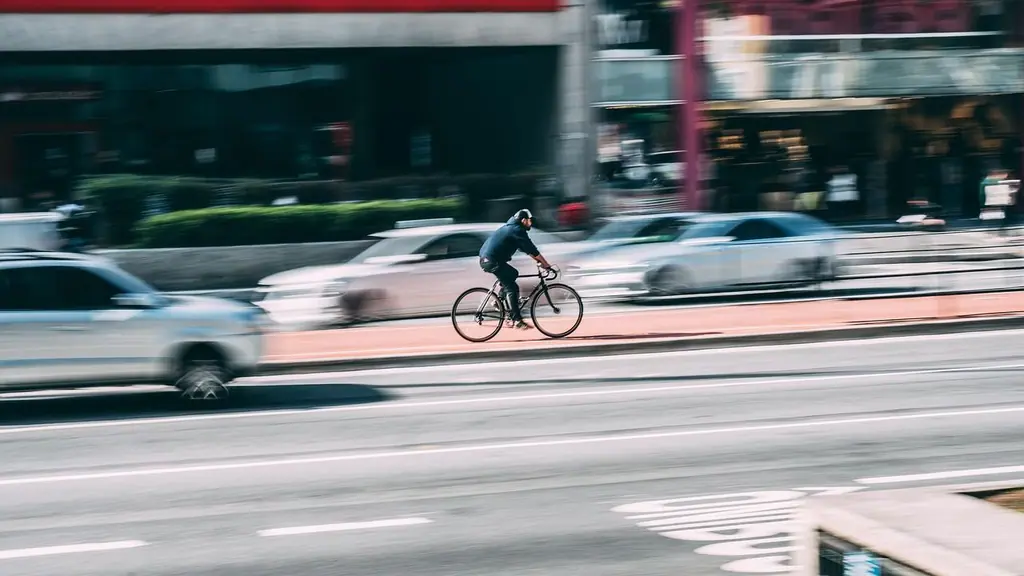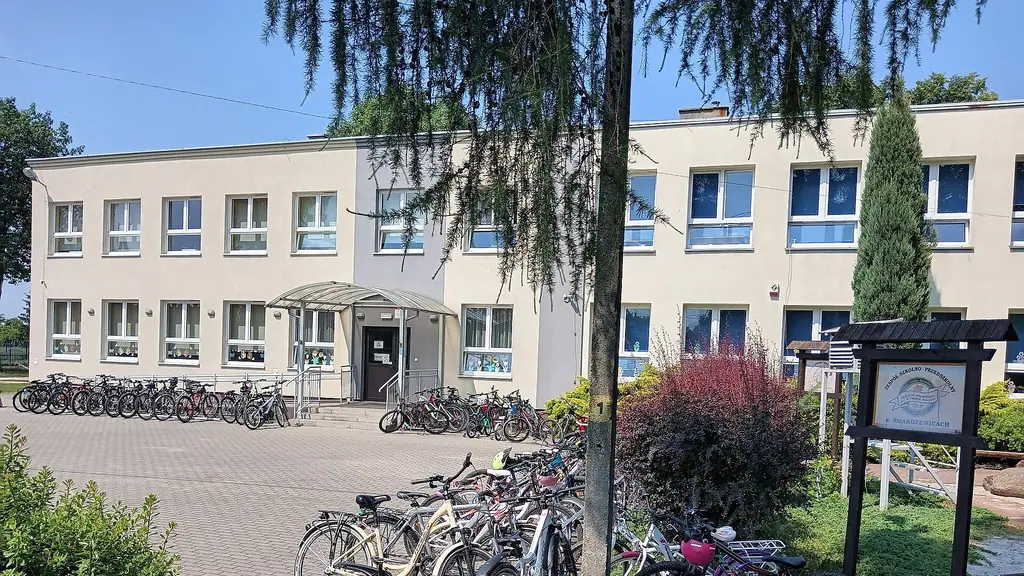
For many children, the trip to school is the most regular journey of their week. Turning it into a bike ride builds physical activity into every school day, gives children a sense of independence and takes cars off the road at the busiest time of the morning. It also comes with real risks that families and schools need to manage carefully.
This guide brings together advice from the World Health Organization (WHO) and road safety organisations on the benefits, the risks, training and age guidance, and how to plan a route. Rules differ between countries and cities, so always check local laws and your school's policy.
Why cycling to school matters
Health and wellbeing
The WHO Regional Office for Europe recommends that children and adolescents aged 5 to 17 do at least an average of 60 minutes a day of moderate-to-vigorous physical activity, mostly aerobic. Many fall short: the WHO's global fact sheet reports that 86% of adolescents do not meet recommended activity levels.
The same fact sheet notes that in children and adolescents, physical activity is associated with better fitness, cardiometabolic health, bone health, cognitive outcomes and mental health. A daily ride to and from school can contribute a meaningful share of the recommended activity without needing extra time in the day.
Environment and community
Every child who cycles instead of being driven removes a car trip, often a short one made at peak hour. Fewer cars around school gates means less congestion and exhaust where children gather. Our article on the environmental benefits of cycling explains the climate case in more detail, and sustainable transportation for families offers wider ideas for the whole household.
Independence and skills
Road safety organisations see independent travel as an important part of growing up. The Royal Society for the Prevention of Accidents (RoSPA) says that practising journeys with a parent or carer can be essential in helping children become more independent travellers, especially as they move to secondary school at around age 11.
Understanding the risks
Safety must come first. The WHO reports that road traffic injuries are the leading cause of death for children and young people aged 5 to 29, and that more than half of road deaths are among vulnerable road users, including pedestrians and cyclists.
Risk also changes with age. RoSPA's guide for parents points out that a child's risk of being injured on foot or on a bicycle increases as they gain independence, and that far more teenagers than younger children are hurt on the roads, partly because of longer journeys and peer pressure.
None of this means children should not cycle. It means that training, route choice, equipment and supervision need to match the child's skills and the traffic they will meet, and that safer street design around schools matters enormously.
Age and readiness: what the guidance says
There is no single right age, and the rules differ widely between places.
Readiness rather than age. In the UK context, RoSPA's Family Cycling Guide states that there is no minimum age at which a child can ride on the road. It notes that on-road training is normally offered to children in school years 5 or 6, because by that age they usually have the maturity to understand and deal with light traffic. Younger children who can control their bike without swerving and stop safely can ride with careful, constant adult supervision. RoSPA's parent guidance stresses that deciding when a child is ready to travel independently is up to parents, based on the child showing they are prepared.
Local law can set minimum ages. In Dubai, Executive Council Resolution No. 13 of 2022 prohibits children under 12 from riding a pedal cycle unless accompanied by a cyclist aged at least 18, and prohibits anyone under 16 from riding an electric bike or e-scooter. Other countries and cities have their own rules on age, helmets and where children may ride, including whether they may use pavements.
Electric bikes and scooters. Because of their speed and weight, many jurisdictions set higher minimum ages for e-bikes and e-scooters than for pedal cycles, as Dubai does. Check local rules before allowing a child to use one for the school run.
Training: building skills step by step
Structured training is one of the best investments a family or school can make. The UK's National Standard for Cycle Training, delivered as Bikeability, is a useful model of how skills build up:
| Level | Where it takes place | What it covers |
|---|---|---|
| Level 1 | Spaces free of motor traffic | Preparing for a journey and riding with control |
| Level 2 | Simple roads and junctions with mostly moderate traffic | Adds using the road according to the rules and riding safely and responsibly in traffic |
| Level 3 | More complex, often busier or faster roads and junctions | The same skills applied in more demanding traffic |
Each level is a prerequisite for the next. Many countries and cities offer similar school-based programmes; where none exists, families can practise the same progression themselves, starting in a park or empty car park.
Planning a safe route
The route matters as much as the rider's skill.
- Map options together. Look for routes that use quiet residential streets, protected cycle tracks, off-road paths and controlled crossings, even if they are slightly longer than the most direct road.
- Avoid the worst junctions. Large roundabouts, multi-lane turns and fast roads are where inexperienced riders are most exposed. Where crossing a main road is unavoidable, choose signal-controlled crossings, and teach children to dismount and walk if they are unsure.
- Do practice runs. RoSPA recommends a couple of practice runs before the first day, with a parent, carer or friends, so the child is sure of the route and knows how long it takes.
- Ride it at school time. Traffic at 7.30 am on a weekday can be very different from a Sunday afternoon.
- Plan for weather. In hot climates, consider shade, water and timing; see sustainable transportation in hot climates.
Riding together
When adults accompany younger children, RoSPA's Family Cycling Guide suggests the adult rides behind and slightly to the traffic side of the child (to the right in countries that drive on the left), close enough to talk, with the most capable child in front if there are several. Riding as a compact group lets drivers overtake everyone in one manoeuvre.
Group rides
Families can also organise supervised group rides that collect children along a set route. Riding together can make the journey more visible, sociable and reassuring for families new to cycling. Any group ride should have enough adults and follow local rules.
The bike and the kit
A bike that fits. A child should be able to control the bike comfortably and stop safely. RoSPA's guide Which bike is right for my child? matches wheel sizes to height and notes that once a child reaches about 1.5 m tall, or around 11 years old, they are likely to ride comfortably on standard adult wheel sizes, after which frame size matters more.
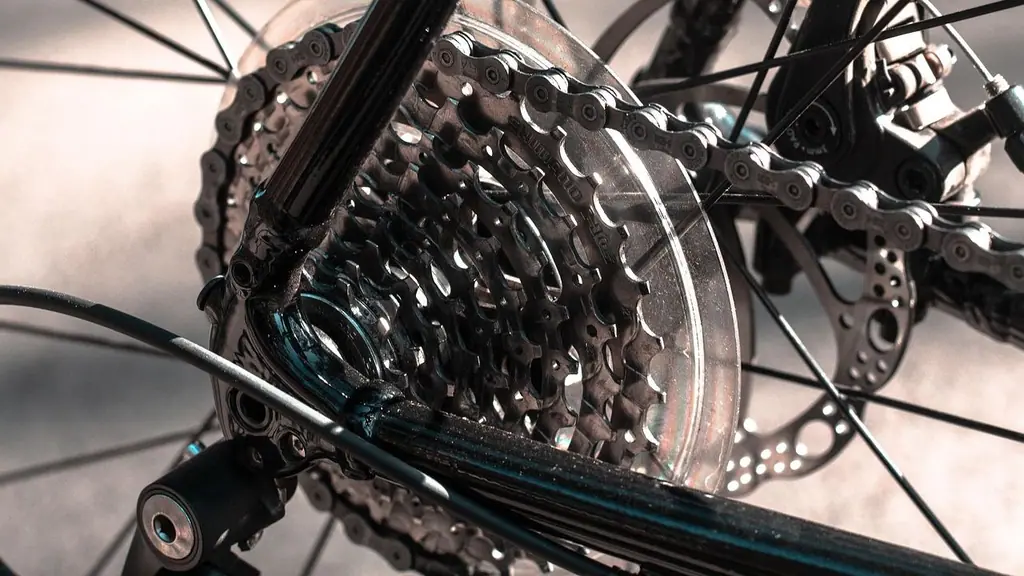
Regular checks. The ABC Quick Check is easy for children to learn: check the Air in the tyres, the Brakes, and the Cranks, chain and cogs, then make sure any quick releases are closed and take a short test ride. Dubai's resolution also makes riders responsible for keeping brakes and tyres in good condition. Our guide to extending the useful life of a bicycle covers maintenance in more depth.
Visibility and protection. Lights and reflectors are required in many places and are essential in low light. Helmet rules vary: Dubai, for example, requires helmets and reflective vests for cyclists. Bright clothing helps children be seen.
Secure parking. Schools that provide covered, secure bike parking make cycling a practical everyday choice.
What schools and cities can do
- Offer training during school hours so every child has the chance to learn.
- Provide safe parking and somewhere to store helmets and bags.
- Work with local authorities on traffic calming, lower speed limits, crossings and car-free zones at school gates during drop-off and pick-up times.
- Map recommended routes and share them with families.
- Encourage, don't pressure. Celebrate cycling and walking days, but respect families' judgements about readiness.
Key takeaways
- The WHO recommends an average of at least 60 minutes of moderate-to-vigorous activity a day for 5 to 17 year olds; cycling to school helps meet it.
- Road traffic injuries are the leading cause of death for people aged 5 to 29, so training, route choice and safe infrastructure are essential.
- Readiness depends on skills and traffic conditions as well as age, and local laws may set minimum ages, such as Dubai's under-12 supervision rule.
- Step-by-step training, practice runs and a planned route make the transition safer.
- Schools and cities can make cycling to school much safer through parking, training and traffic calming.
Frequently asked questions
At what age can a child cycle to school alone?
It depends on the child, the route and local law. RoSPA's UK guidance sets no minimum age and notes on-road training is usually offered around ages 9 to 11, while Dubai's rules require children under 12 to be accompanied by a cyclist aged 18 or over.
Should my child wear a helmet?
Follow local law, which varies. Some places, including Dubai, require helmets for cyclists. Where a helmet is worn, it should fit snugly and be fastened correctly.
What if there is no safe route?
Consider accompanying your child, walking part of the way, joining a group ride, or combining cycling with public transport. Raising the issue with the school and local authority can also lead to improvements over time.
Sources
- Physical activity (fact sheet) WHO Regional Office for Europe, 2021
- Physical activity (fact sheet) World Health Organization, 2026
- Road traffic injuries (fact sheet) World Health Organization, 2026
- RoSPA's Family Cycling Guide Royal Society for the Prevention of Accidents (RoSPA), n.d.
- Teaching Road Safety: A Guide for Parents Royal Society for the Prevention of Accidents (RoSPA), n.d.
- Active travel for parents and carers Royal Society for the Prevention of Accidents (RoSPA), n.d.
- National Standard for Cycle Training UK Department for Transport, 2018
- Executive Council Resolution No. (13) of 2022 Regulating the Use of Bicycles in the Emirate of Dubai Roads and Transport Authority (RTA), Dubai, 2022
- Which bike is right for my child? Royal Society for the Prevention of Accidents (RoSPA), n.d.
- ABC Quick Check Pedestrian and Bicycle Information Center (Bicycle Safer Journey), n.d.
How this article was made: researched and drafted with the help of AI tools, then checked against the sources listed above. Read our editorial policy. Spotted an error? Tell us.