Arid and semi-arid regions are home to some of the world's fastest-growing cities. Many of them expanded in the era of cheap fuel and the private car, producing wide roads, low densities and long distances between homes, jobs and services. Now they face a double challenge: reducing transport emissions while protecting residents from rising heat, in places where water for shade trees is scarce.
This article looks at what sustainable mobility means in drylands, why it is different from temperate cities, and which planning approaches the evidence supports.
Drylands are expanding, and so are their cities
According to a 2024 report from the UN Convention to Combat Desertification (UNCCD), drylands now cover 40.6% of the world's land area excluding Antarctica, up from 37.5% over the previous three decades. About 2.3 billion people, 30.9% of the global population, lived in drylands in 2020, up from 22.5% in 1990.
As drylands widen and populations grow, more people will live in places where heat, dust and water scarcity shape everyday life, including how they travel. Background on these pressures is available in our explainer on water scarcity in drylands.
What makes arid cities different
Heat
High temperatures turn walking and cycling from a pleasant option into a health risk for part of the year. The World Health Organization notes that many populations in tropical and subtropical climates are chronically exposed to high temperatures, and that heat stress worsens cardiovascular, respiratory, kidney and mental health conditions. It also highlights that outdoor workers and people in low-quality housing without cooling are disproportionately exposed, which includes many people who depend on walking, cycling or waiting outdoors for transport.
Scarce shade
Trees are the most effective natural shade, but they need water. The IPCC's chapter on urban systems reports that urban tree cover averages 26.5% globally but only about 12% in desert regions. Closing that gap requires drought-tolerant species, efficient irrigation and, where possible, treated wastewater, alongside built shade such as canopies and arcades.
Dust and air quality
Wind-blown dust adds to the air pollution generated by traffic. The WHO estimates that ambient air pollution caused 4.2 million premature deaths worldwide in 2019. Reducing vehicle exhaust cannot remove natural dust, but it lowers the pollution that people are exposed to on top of it. Fine dust also gets into bicycle chains and other moving parts, which makes regular cleaning important; see sand and dust storms.
Car-oriented legacy
Many dryland cities were planned around high-capacity roads. Wide arterials can be difficult and unpleasant to cross on foot, and low densities lengthen trips beyond comfortable walking and cycling distances.
Principles for sustainable mobility in drylands
1. Compact, mixed-use growth
The most important decisions are about land use. The IPCC urban chapter finds that integrated spatial planning for compact, resource-efficient growth, combining higher residential and job densities, mixed land use and transit-oriented development, could reduce urban greenhouse gas emissions by 23–26% by 2050 compared with business as usual. The IPCC transport chapter adds that cities can reduce transport fuel consumption by around 25% through more compact land use and less car-dependent infrastructure.
In hot climates, compactness has an extra benefit: shorter trips mean less time exposed to heat. Dubai's planning reflects this. Phase II of the Dubai 2040 Urban Master Plan, approved in December 2022, includes a 20-Minute City Policy aiming for residents to reach 80% of daily needs and destinations within 20 minutes on foot or by bicycle, and to raise densities around mass transit stations.
The IPCC also notes a caution relevant to hot cities: in some contexts, high-density areas that lack adequate green and open space can intensify the urban heat island. Density needs to be paired with shade, ventilation and greenery.
2. Public transport as the backbone
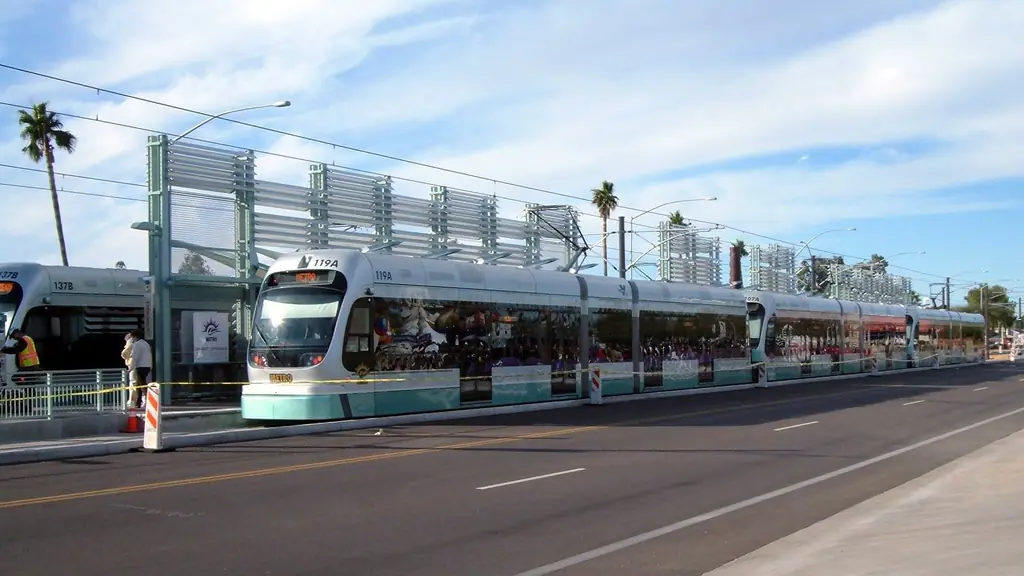
Rail and high-quality bus networks can carry large numbers of people in climate-controlled vehicles, making them especially valuable where outdoor travel is hard. The IPCC's Summary for Policymakers states with high confidence that investment in public transport and active transport infrastructure can support a shift to lower-emission modes.
Dubai illustrates how quickly ridership can grow once networks exist. The Roads and Transport Authority reported that public transport, shared mobility and taxis carried 802.1 million riders in 2025, with the metro the largest single mode at 37% of users. For more detail, see sustainable urban mobility in Dubai.
3. Make the first and last mile comfortable
Even the best metro line fails if reaching the station means a long, exposed walk. Priorities include:
- Shaded or enclosed walkways linking stations to surrounding buildings.
- Cooled waiting areas at bus stops and interchanges.
- Pedestrian and cycling bridges or underpasses across major roads, cutting detours and waiting time in the sun.
- Secure bicycle and micromobility parking at stations.
4. Design active-travel networks for the climate
Walking and cycling remain valuable in arid cities, particularly in cooler months, early mornings and evenings, and for short trips. Networks should:
- follow shaded corridors and use trees, structures and building edges for shade;
- minimise waiting at crossings;
- connect to schools, markets and transit rather than serving only leisure loops;
- provide water fountains and rest points on longer routes.
E-bikes can extend comfortable cycling range in the heat by reducing effort, although their batteries need protection from high temperatures. Our guide to sustainable transportation in hot climates covers these practical issues.
5. Use water wisely for green infrastructure
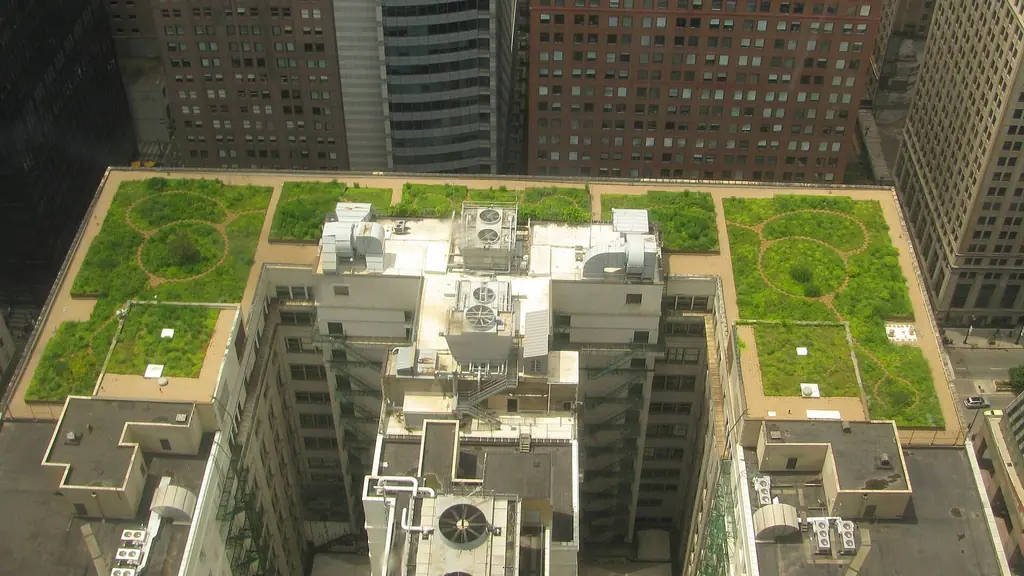
The IPCC identifies urban green and blue infrastructure, including street trees, parks, green roofs and permeable surfaces, as offering cooling co-benefits that reduce the urban heat island and heat stress. In drylands, the choice of plants and irrigation methods determines whether these benefits are sustainable. Native and drought-adapted species, drip irrigation and reuse of treated water can help.
6. Electrify what remains
Some trips will continue to be made by car, taxi, bus and delivery vehicle. The IPCC concludes that electric vehicles powered by low-emissions electricity offer the largest decarbonisation potential for land transport on a lifecycle basis. The climate benefit depends on the electricity mix, so expanding low-carbon generation and grid capacity needs to go hand in hand with electrifying buses, taxis, delivery fleets and two-wheelers.
Learning from each other
Dryland cities share many of the same constraints, which makes them well placed to learn from one another. Useful questions for planners include: which routes residents actually use in the hottest months, how much shade new streets provide at the times people travel, how long the walk from a typical home to the nearest station really takes, and how much irrigation water green corridors require. Collecting and sharing this kind of evidence, including seasonal travel data, will help the next generation of plans.
Key takeaways
- Drylands cover 40.6% of the world's land outside Antarctica, and 2.3 billion people lived in them in 2020, according to the UNCCD.
- Heat, scarce shade, dust and car-oriented layouts make low-carbon mobility harder in arid cities.
- Compact, mixed-use, transit-oriented growth is the foundation, but density must be paired with shade and greenery.
- Public transport, comfortable first- and last-mile links and climate-aware walking and cycling networks work together.
- Water-wise green infrastructure and electrification powered by low-carbon electricity complete the picture.
Frequently asked questions
Can people really walk and cycle in desert cities?
Yes, for a good part of the year and for many short trips, especially with shade, good timing and safe routes. In the hottest months, combining short active trips with cooled public transport is often the most practical option.
Why not just plant more trees?
Trees are valuable, but in drylands each one needs water. Choosing drought-adapted species and efficient irrigation, and adding built shade where trees are not viable, makes cooling more sustainable.
Is public transport worth building in low-density cities?
It works best when combined with land-use change. Concentrating homes, jobs and services around stations, as the IPCC and plans such as Dubai's 20-minute city policy suggest, increases ridership and shortens trips.
Sources
- Three-quarters of Earth's land became permanently drier in last three decades: UN UNCCD, 2024
- Chapter 8: Urban systems and other settlements. Climate Change 2022: Mitigation of Climate Change IPCC, 2022
- Chapter 10: Transport. Climate Change 2022: Mitigation of Climate Change IPCC, 2022
- Summary for Policymakers. Climate Change 2022: Mitigation of Climate Change IPCC, 2022
- Heat and health (fact sheet) World Health Organization, 2026
- Mohammed bin Rashid approves Phase II of Dubai 2040 Urban Master Plan, reviews progress of the plan's first phase Government of Dubai Media Office, 2022
- 802 Million Riders Used Public Transport, Shared Mobility and Taxis in 2025 Government of Dubai Media Office, 2026
- Ambient (outdoor) air pollution (fact sheet) World Health Organization, 2024
How this article was made: researched and drafted with the help of AI tools, then checked against the sources listed above. Read our editorial policy. Spotted an error? Tell us.