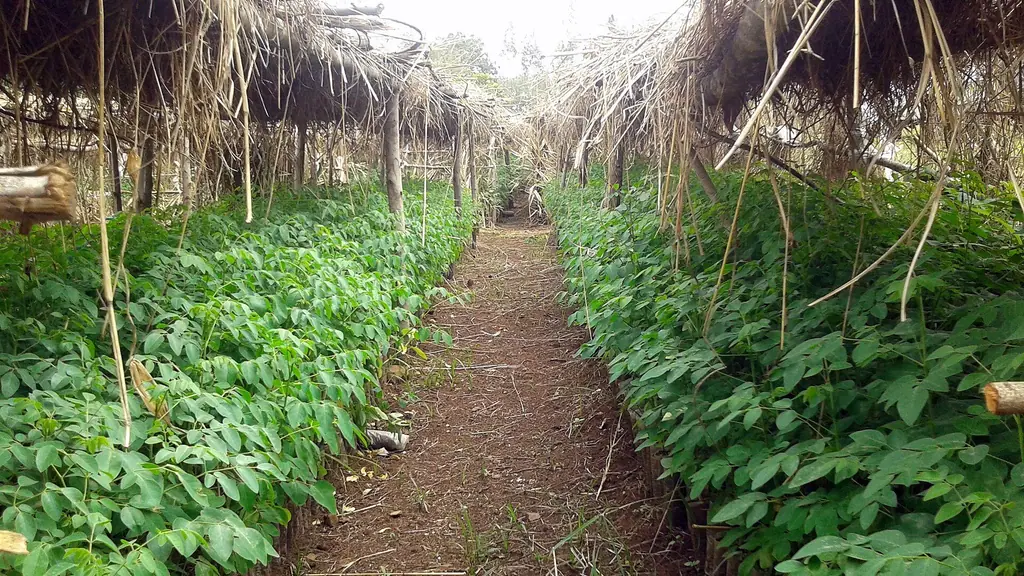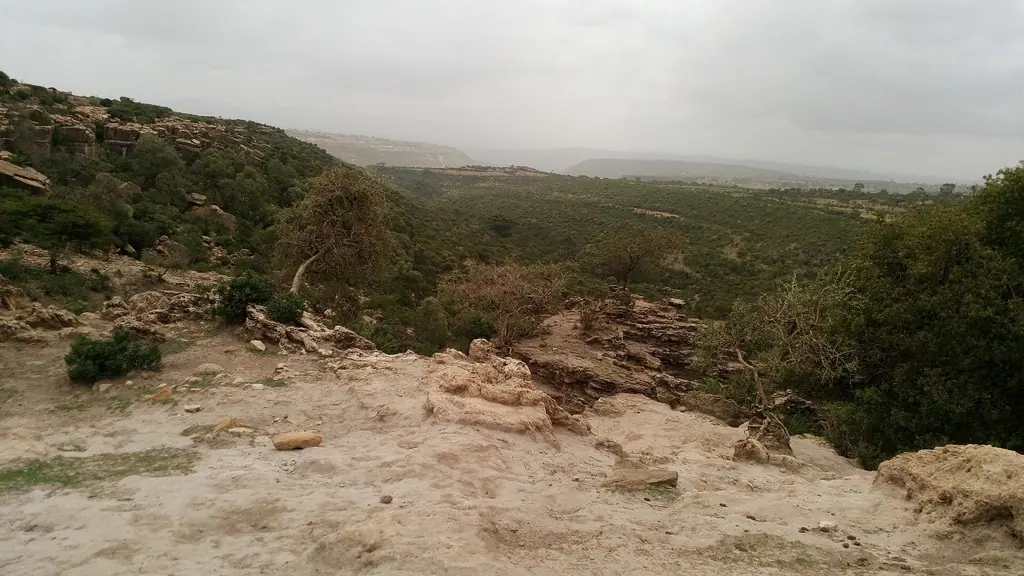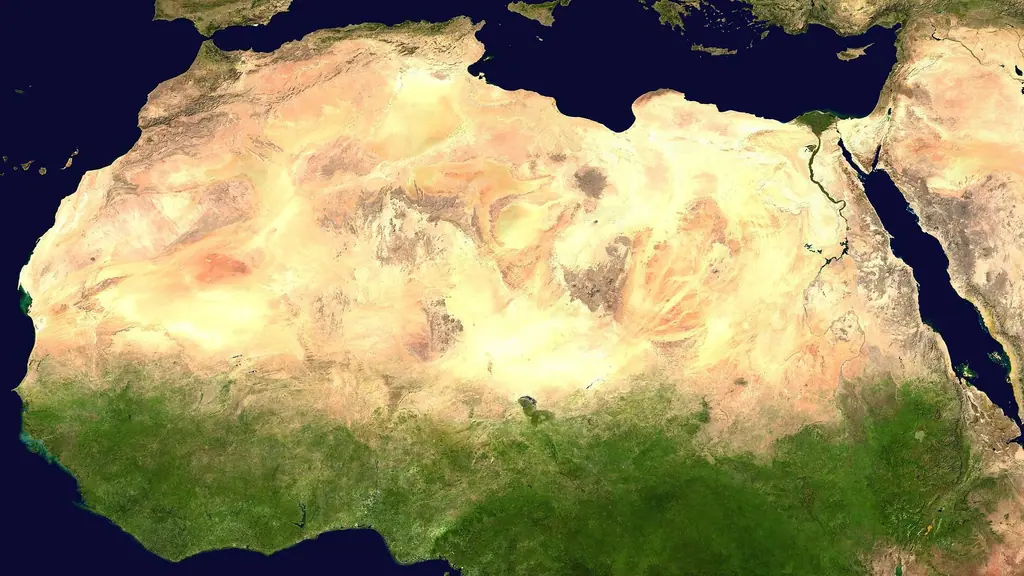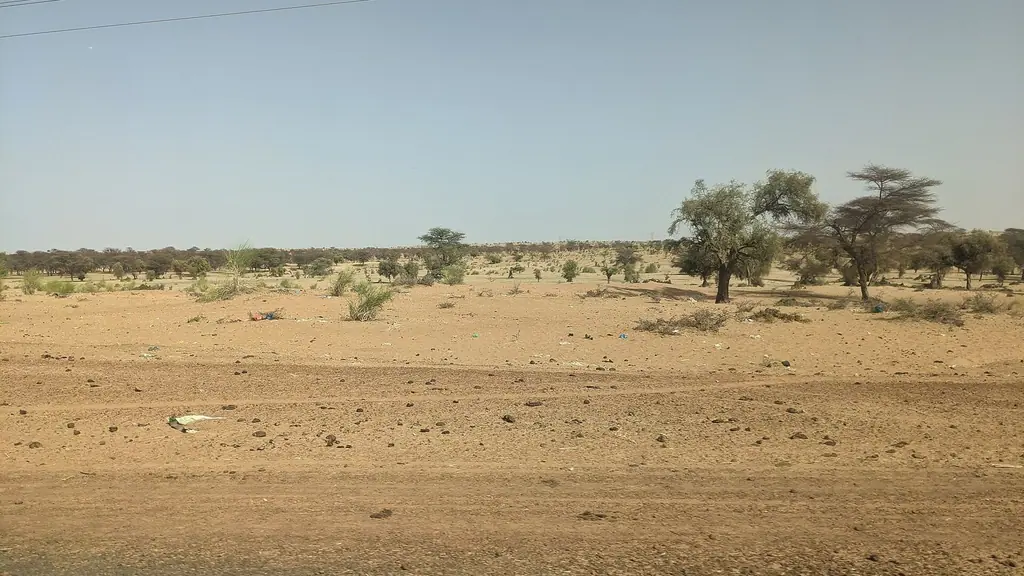
The Great Green Wall for the Sahara and the Sahel is one of the most widely cited land restoration efforts in the world. It began as an image of a continuous belt of trees across Africa. It has since become something more practical and harder to measure: a collection of national and regional programmes that restore degraded land, support farming and herding, and create rural jobs in some of the driest and least secure places on Earth.
This page explains where the initiative came from, what it is trying to achieve by 2030, what the official progress reports have found, and why it attracts criticism as well as praise.
Origins: from a tree belt to a mosaic
The idea grew out of discussions among Sahel-Saharan states in the mid-2000s. According to an independent review commissioned by the UNCCD, the concept was developed between 2005 and 2007 and endorsed by the African Union in a declaration adopted at its January 2007 summit in Addis Ababa. The Green Climate Fund likewise describes the initiative as launched by African Union member countries in 2007.
To coordinate the work, heads of state created the Pan-African Agency of the Great Green Wall by an international convention signed in N'Djamena, Chad, in 2010. The agency now operates from Nouakchott, Mauritania. Eleven founding countries take part: Burkina Faso, Chad, Djibouti, Eritrea, Ethiopia, Mali, Mauritania, Niger, Nigeria, Senegal and Sudan.
Over time, the concept moved away from a single line of trees. Today it is usually described as a mosaic of land uses (restored woodland, farmland, grassland and water harvesting), shaped by what local communities need. That shift matters, because single-species tree belts in very dry areas often fail. For background on the forces the initiative is responding to, see our explainer on the causes and consequences of desertification.
Goals for 2030
The UNCCD's Accelerator page lists three headline targets for 2030:
- restore 100 million hectares of currently degraded land;
- sequester 250 million tonnes of carbon;
- create 10 million green jobs in rural areas.
These goals put the Great Green Wall among the larger regional restoration pledges, alongside efforts described in our overview of global land restoration initiatives.
What the 2020 status report found
In September 2020, the UNCCD published the first full assessment, The Great Green Wall: Implementation status and way ahead to 2030. National Great Green Wall agencies gathered the data, coordinated by the Pan-African Agency. The UNCCD's launch announcement reported, for 2007 to 2018:
- close to 20 million hectares restored across Great Green Wall countries;
- more than 350,000 jobs created;
- about USD 90 million in revenue generated.
The headline number needs careful reading. As Landscape News explained, only about 4 million hectares had been restored inside the initiative's strict intervention zones, roughly 4% of the 100-million-hectare goal. The larger figure of about 17.8 million hectares counted restoration across the wider region, with Ethiopia accounting for a large share of it. The report estimated that reaching the 2030 goal would require restoring about 8.2 million hectares a year, at a cost of around USD 4.3 billion a year.
The Great Green Wall Accelerator (2021)
At the One Planet Summit in Paris on 11 January 2021, donors announced the Great Green Wall Accelerator. The UNCCD press release recorded new pledges of at least USD 14.3 billion for 2021–2025. That covered about 30% of the USD 33 billion estimated to be needed to meet the 2030 goals. UNCCD now says total pledges have passed USD 19 billion.
The Accelerator is not a fund. Hosted at first by the UNCCD, it was designed to help partners coordinate, track finance against results, and help countries build monitoring systems. Under the plan, the Accelerator unit was to be transferred to the Pan-African Agency in 2023–2024.
Later assessments
An independent review published in 2023 found that about USD 2.5 billion had been spent by 2021 and early 2022, around 12% of the amount pledged to 2025. The reviewer did not consider that pace unusually slow, given political instability and wide differences in national capacity.
In August 2026, the UNCCD reported on the Accelerator's first five years. Early, partial figures included 1.66 million hectares under restoration and 4.6 million jobs. A Great Green Wall Observatory, launched in 2024, tracks more than 389 projects, although fewer than 90 report against the harmonised indicators. The UNCCD itself named data gaps, coordination, and the time it takes for pledges to become results on the ground as continuing challenges.
Criticisms and lessons
Reporting by Mongabay in 2023 brought together recurring concerns:
- Monitoring: researchers involved in evaluations found very few records of where projects took place or whether they succeeded.
- Insecurity: armed groups operate in parts of the Great Green Wall corridor, and conflict in Sudan threatens progress.
- Ecology: tree belts in arid zones often fail, and planting can clash with pastoralists' use of land. Approaches that work with natural regeneration and local tenure tend to last longer (see our article on agroforestry and farmer-managed natural regeneration).
- Coordination: not every country has a fully functioning national agency, and donors' projects are not always aligned.
The main lesson from two decades of work is that restoration in the Sahel succeeds when it delivers income and food security for the people managing the land, and when results are measured consistently.
The FLEUVE project
Older Global Mechanism pages about FLEUVE now point here. According to the UNCCD, FLEUVE (the Local Environmental Coalition for a Green Union) was set up in 2014 as a flagship project under the Great Green Wall. The European Commission financed it and the Global Mechanism ran it until it ended in 2019. It funded micro-investment projects in 23 communities across Burkina Faso, Chad, Mali, Niger and Senegal. It also supported regional capacity building on sustainable land management and innovative financing, and worked with private companies on value chains for Sahelian dryland products.
Key takeaways
- The Great Green Wall was endorsed by the African Union in 2007 and is coordinated by a Pan-African Agency created in 2010.
- Its 2030 targets are 100 million hectares restored, 250 million tonnes of carbon sequestered and 10 million jobs.
- The 2020 status report found about 4 million hectares restored in core intervention zones, and close to 20 million across participating countries.
- The 2021 Accelerator raised pledges of more than USD 14 billion. Turning pledges into verified results is still the central challenge.
Where to find official information
- UNCCD Great Green Wall pages: unccd.int/our-work/ggwi
- The 2020 status report: UNCCD publications
- The Accelerator's five-year report: UNCCD reports
Sources
- Green Wall Accelerator UNCCD, 2026
- Ministers release first status report and share next steps on Great Green Wall UNCCD, 2020
- The Great Green Wall: Implementation status and way ahead to 2030 UNCCD, 2020
- Africa's Great Green Wall is officially 4% – and unofficially 18% – complete (Landscape News, hosted in the UNCCD Library) Landscape News / UNCCD Library, 2020
- Over 14 billion USD raised for Great Green Wall to regreen the Sahel UNCCD, 2021
- Independent Review of the Great Green Wall Accelerator: Final report UNCCD Evaluation Office, 2023
- Five years on, Great Green Wall Accelerator shows promise despite challenges UNCCD, 2026
- Our Work and Impact - Impact (Great Green Wall) UNCCD, 2026
- Progress is slow on Africa's Great Green Wall, but some bright spots bloom Mongabay, 2023
How this article was made: researched and drafted with the help of AI tools, then checked against the sources listed above. Read our editorial policy. Spotted an error? Tell us.