The Rome Declaration on Nutrition is the main political outcome of the Second International Conference on Nutrition (ICN2), held at FAO headquarters in Rome on 19–21 November 2014 and organised jointly by the Food and Agriculture Organization (FAO) and the World Health Organization (WHO). It remains a reference point for national nutrition policy, and it is notable for linking what people eat to the state of the land and food systems that produce it.
What was agreed at ICN2
According to WHO's report of the conference, ministers and senior officials from more than 170 countries, responsible for health, food, agriculture and related areas, adopted two documents:
- The Rome Declaration on Nutrition, a political commitment to prevent malnutrition in all its forms, from hunger and stunting to micronutrient deficiencies, overweight and obesity.
- The Framework for Action, a voluntary technical companion with 60 recommended actions that governments can build into national plans for health, agriculture, education, social protection and trade.
At the time, WHO cited estimates that 161 million children under five were stunted and 51 million were wasted in 2013, and that more than 2 billion people had micronutrient deficiencies.
The Declaration's commitments
In its commitment to action, the Declaration lists ten pledges. They include eradicating hunger and preventing all forms of malnutrition; increasing investment in effective nutrition interventions; enhancing sustainable food systems through coherent policies "from production to consumption"; raising the profile of nutrition in national strategies; and integrating these commitments into the post-2015 development agenda, which became the Sustainable Development Goals.
Where land and environment come in
The Declaration does not treat nutrition as only a health or income issue. Several of its paragraphs recognise environmental drivers:
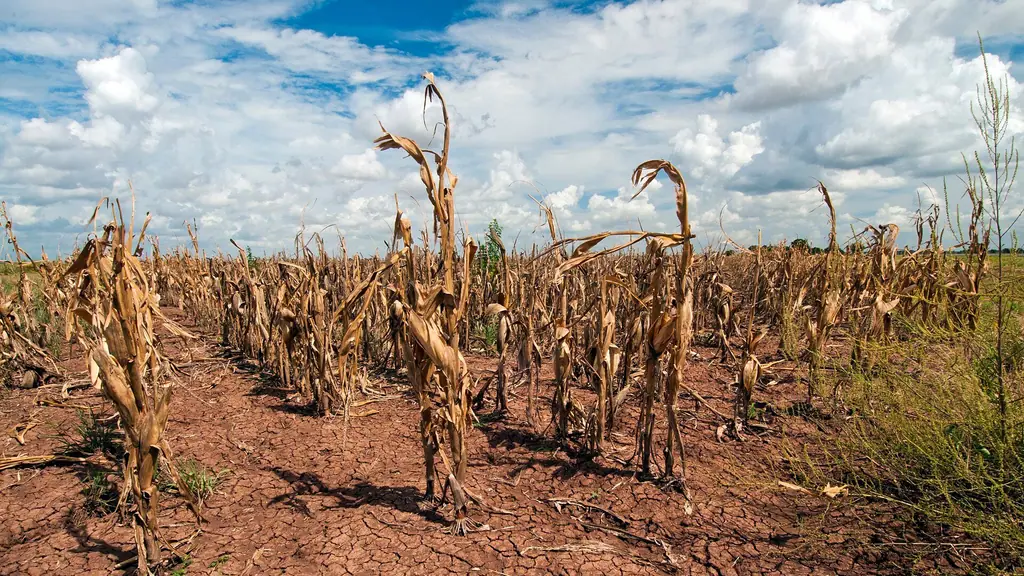
- It recognises that crises including droughts, floods and desertification hinder food security and nutrition.
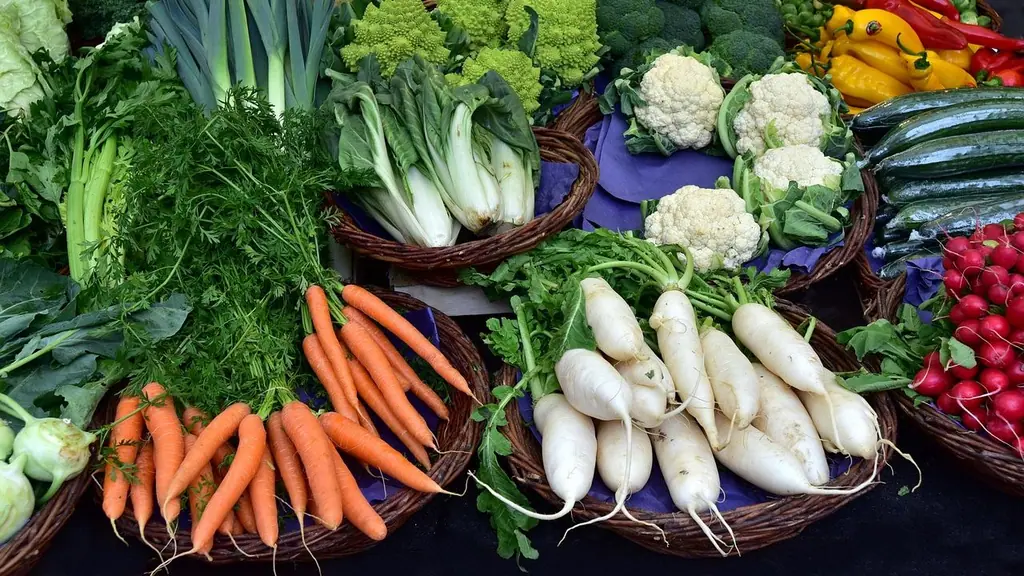
- It calls for action on the impacts of climate change and other environmental factors on the quantity, quality and diversity of food produced.
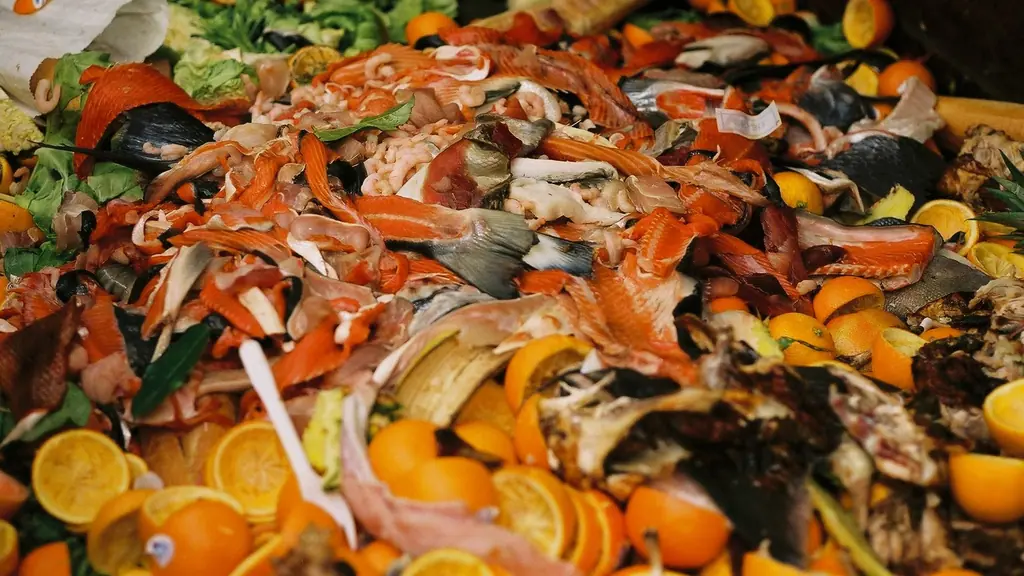
- It acknowledges that food systems are increasingly challenged by resource scarcity, environmental degradation, unsustainable production and consumption, and food loss and waste.
That framing matters for anyone working on land. Degraded soils, eroded slopes and depleted water reduce yields, but they can also reduce the range of crops that can be grown and the nutrient content of food. Two complementary responses follow from this: scaling up sustainable land management, and restoring degraded ecosystems so they keep providing the services that food production depends on. For more on these approaches, see our explainers on sustainable land management and food security and climate change.
Healthy soils, healthy diets
The link between soil and nutrition is direct. FAO's Global Soil Partnership notes, in describing its Soils4Nutrition project, that soils low in macro- and micronutrients can reduce both crop productivity and the nutritional value of food grown on them. Micronutrient deficiencies particularly affect vulnerable groups such as children and pregnant women. The project's first phase (2020–2023) tested soil management practices in Bangladesh, Burkina Faso and Malawi to raise the micronutrient content of crops. Our guide to soil conservation covers the practices that keep soils productive.
What happened next
Following the conference, on 1 April 2016, the UN General Assembly proclaimed the UN Decade of Action on Nutrition (2016–2025), endorsing the Rome Declaration and Framework for Action. FAO and WHO were asked to lead implementation, working with the World Food Programme, the International Fund for Agricultural Development and UNICEF, and governments were called on to set national nutrition targets for 2025.
The Decade has now run its course, and the problem it targeted remains large. The 2025 edition of The State of Food Security and Nutrition in the World, published by FAO, IFAD, UNICEF, WFP and WHO, estimated that about 673 million people faced hunger in 2024, around 8.2 percent of the world's population. Hunger fell globally but rose in Africa, where more than 20 percent of people, 307 million, were affected.
Where to find official information
- FAO and WHO host the ICN2 outcome documents and follow-up reporting on nutrition.
- The annual State of Food Security and Nutrition in the World report tracks progress.
- The UNCCD publishes material on land, drought and food security.
Key takeaways
- ICN2 (Rome, 19–21 November 2014) adopted the Rome Declaration on Nutrition and a Framework for Action with 60 recommended actions.
- The Declaration explicitly names droughts, floods, desertification and environmental degradation as threats to food security and nutrition.
- The UN General Assembly endorsed both texts and proclaimed the Decade of Action on Nutrition (2016–2025).
- Soil health affects not only how much food is grown but how nutritious it is.
- About 673 million people faced hunger in 2024, with rising numbers in Africa.
Sources
- Conference Outcome Document: Rome Declaration on Nutrition (ICN2 2014/2) FAO and WHO, 2014
- Countries vow to combat malnutrition through firm policies and actions WHO, 2014
- General Assembly proclaims the Decade of Action on Nutrition WHO, 2016
- Soils4Nutrition project phase 1 FAO Global Soil Partnership, 2023
- Global hunger declines, but rises in Africa and western Asia: UN report WHO, 2025
How this article was made: researched and drafted with the help of AI tools, then checked against the sources listed above. Read our editorial policy. Spotted an error? Tell us.