Drought is one of the most damaging natural hazards, yet it is also one of the most misunderstood. It arrives slowly, has no clear start or end date and leaves no dramatic footage of destroyed buildings. By the time a drought is declared a crisis, crops have often failed, livestock have died and households have sold the assets they need to recover.
For decades, most countries treated drought as an emergency to be managed when it struck. A growing body of policy and practice now argues for the opposite: reducing drought risk in advance. This explainer covers what drought resilience means, the widely used "three pillars" approach, the role of healthy land, and the international efforts, including the International Drought Resilience Alliance (IDRA), that aim to scale it up.
Why drought is a growing problem
The UNCCD's drought overview states that in the decade to 2017, drought affected at least 1.5 billion people and cost US$125 billion globally, and that by 2050 droughts may affect more than three-quarters of the world's population. Climate change is increasing the frequency, intensity, extent and duration of droughts in many regions. The IPCC's Special Report on Climate Change and Land found that between 1961 and 2013, the annual area of drylands in drought increased on average by slightly more than 1% per year, with large year-to-year variability.
Drought is not the same as aridity
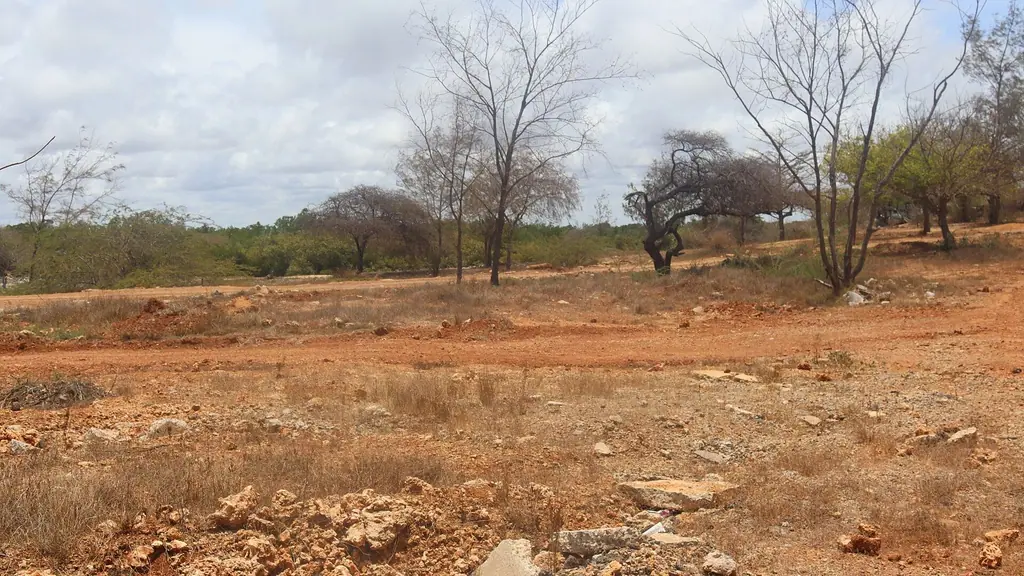
Drought is a temporary period of below-normal water availability. Aridity is a long-term dry climate. The distinction matters because a drier baseline makes each drought more severe. In 2024 the UNCCD reported that 77.6% of Earth's land experienced drier conditions in the three decades to 2020 than in the previous 30 years. As the UNCCD put it, droughts end, but when a region's climate becomes drier, the previous conditions do not return. Resilience planning has to take both into account. Our article on the causes and consequences of desertification explores the links further.
From crisis management to risk management
The UNCCD notes that many countries, especially those severely affected by drought, still rely on crisis management alone. Crisis management means emergency food aid, water trucking and relief payments once a drought is under way. These are necessary but expensive, and they tend to arrive late.
Risk management, by contrast, invests before a drought: monitoring conditions, understanding who and what is vulnerable, and putting measures in place to reduce impacts. The IPCC lists universal access to early warning systems combined with effective contingency plans among the measures that can reduce vulnerability to climate extremes.
The case for prevention is economic as well as humanitarian. IDRA states that investments in drought resilience can deliver returns of up to ten times the initial investment, and that every US$1 spent on building resilience can yield up to US$3 in benefits from avoided losses and reduced humanitarian need.
National drought policies
Governments called for action-oriented drought policies at the High-Level Meeting on National Drought Policies. In response, the World Meteorological Organization (WMO) and the Global Water Partnership, through their Integrated Drought Management Programme (IDMP), published the National Drought Management Policy Guidelines in 2014. The guidelines offer a ten-step process that countries can adapt to their own institutions, laws and circumstances, with case studies from Brazil, Mexico, Morocco and the United States.
Progress since then has been significant. According to the UNCCD, more than 70 countries now have national drought plans, compared with only three in 2013.
The three pillars of integrated drought management
The most widely used framework for proactive drought management rests on three pillars, set out by the IDMP and reflected in the UNCCD's own support to drought-prone countries.
Pillar 1: Monitoring and early warning
Effective drought management starts with knowing what is happening. Monitoring systems track rainfall, soil moisture, streamflow, reservoir levels, vegetation condition and groundwater. Drought indicators and indices turn these data into signals that trigger action at agreed thresholds. Early warning is only useful if the information reaches farmers, water managers and officials in time and in a form they can act on.
Globally, early warning is a stated priority. The UN's Early Warnings for All initiative, co-led by WMO and the UN Office for Disaster Risk Reduction, aims to protect everyone on Earth with early warning systems by the end of 2027. WMO notes that only half of the world's countries report having adequate multi-hazard early warning systems, and describes early warning as providing a nearly tenfold return on investment.
Pillar 2: Vulnerability, risk and impact assessment
The same rainfall deficit can be a minor inconvenience in one place and a catastrophe in another. Vulnerability and impact assessment identifies who and what is most at risk, such as rainfed farmers, pastoralists, small towns dependent on a single water source or particular ecosystems, and why. This pillar helps target resources and design measures that address the root causes of vulnerability, from poverty and insecure tenure to degraded land and over-allocated water.
Pillar 3: Mitigation, preparedness and response
The IDMP calls this pillar risk mitigation, preparedness and response. It puts measures in place before drought strikes and plans the response in advance. Examples include:
- drought contingency plans with clear triggers, roles and budgets;
- water-use efficiency and demand management, including efficient irrigation;
- diversifying crops, livestock and incomes;
- financial tools such as insurance, contingency funds and social protection that can scale up quickly;
- protecting and restoring land and watersheds so they store more water.
Healthy land as drought infrastructure
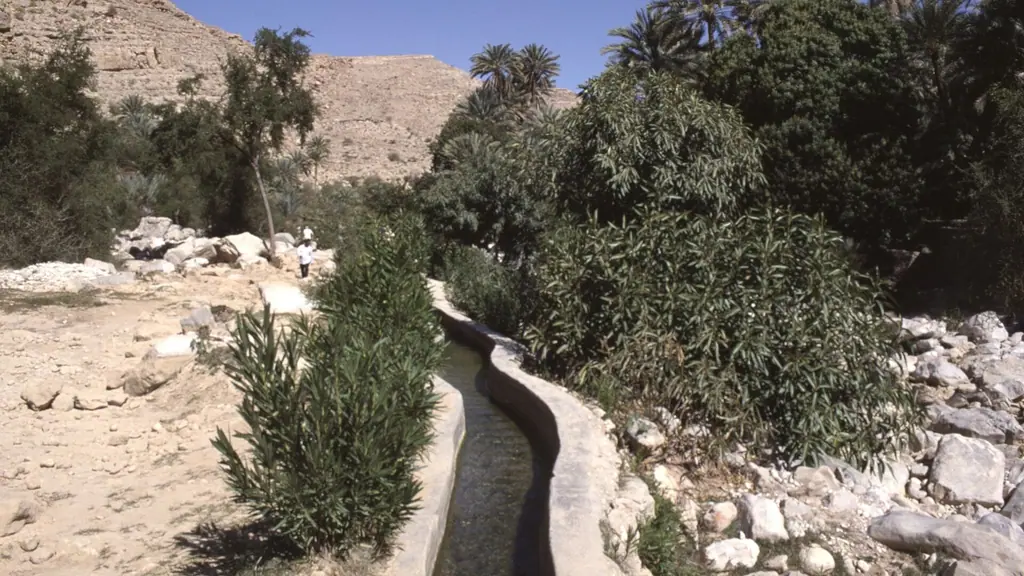
Drought resilience is not only about water infrastructure and finance. The UNCCD emphasises that healthy land and ecosystems provide natural long-term storage for freshwater. Healthy soils capture and store rainfall rather than shedding it as runoff. The UNCCD notes that land restoration techniques can often be employed quickly, at relatively low cost and with modest technology, to improve water storage and use. Practices such as rainwater harvesting, mulching, agroforestry and water-efficient irrigation all contribute.
The International Drought Resilience Alliance (IDRA)
The International Drought Resilience Alliance was first announced by Spain at the UN General Assembly in September 2022 and officially launched at the UN climate conference COP27 in November 2022. It was convened jointly by the presidents of Senegal and the Government of Spain, and is hosted by the UNCCD.
According to its website, IDRA is a growing coalition of more than 30 countries and 20 institutions and organisations. It aims to mobilise political, technical and financial capital for drought preparedness, and structures its work around four areas: building political momentum, developing innovative finance mechanisms, knowledge exchange, and a common framework for priority, evidence-based action. At COP16 in December 2024, IDRA's International Drought Resilience Observatory was presented as the first global AI-driven platform to help countries assess and strengthen their capacity to cope with drought.
Global negotiations and finance
Drought has also become a major topic in the UNCCD's formal negotiations. At COP16 in Riyadh in December 2024, parties laid groundwork for a future global drought regime. The conference also saw the launch of the Riyadh Global Drought Resilience Partnership, which attracted pledges of US$12.15 billion, including US$10 billion from the Arab Coordination Group, to support vulnerable countries.
At COP17 in Ulaanbaatar, Mongolia, in August 2026, parties did not finalise a drought decision. They agreed to continue negotiations at COP18 with a view to adopting a decision on proactive drought management at all levels, and to keep drought as a stand-alone item on every future COP agenda. Alongside the negotiations, the Riyadh Partnership advanced work on a proposed pooled fund to help around 70 low- and lower-middle-income countries, and the UNCCD and Luxembourg launched a Drought Resilience Investment Facility aiming to mobilise up to US$400 million in public and private capital.
What drought resilience looks like locally
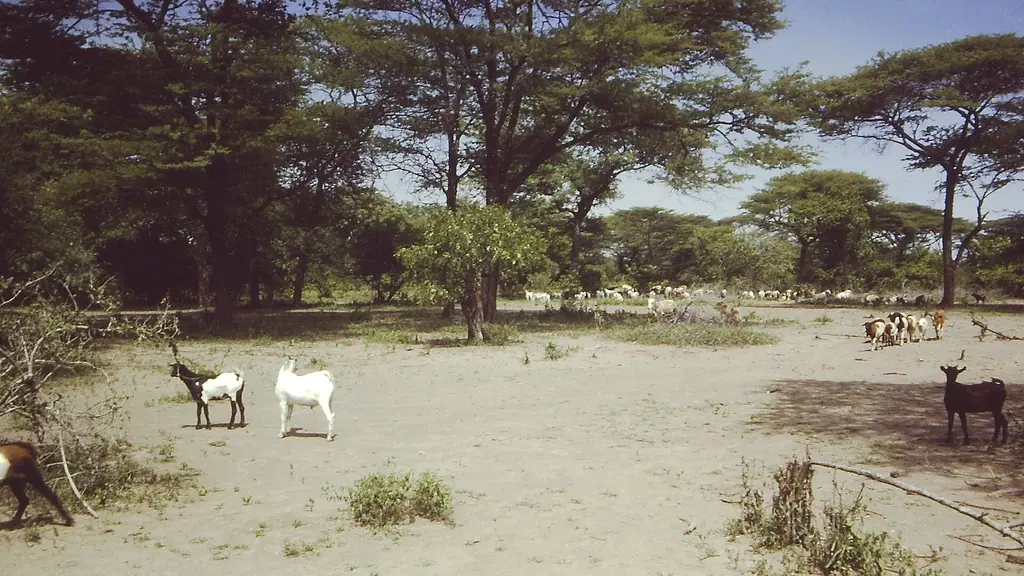
At community level, resilience often means a combination of measures: farmers using drought-tolerant varieties and conserving soil moisture; pastoralists with secure access to grazing and water across seasons; local water committees with agreed rules for sharing scarce supplies; and safety nets that reach households before they are forced to sell livestock or land. For pastoral systems, see our guide to restoring rangelands.
Key takeaways
- Drought affected at least 1.5 billion people in the decade to 2017, and climate change is making droughts more frequent and severe in many regions.
- Proactive drought risk management rests on three pillars: monitoring and early warning; vulnerability and impact assessment; and mitigation, preparedness and response.
- More than 70 countries now have national drought plans, up from three in 2013, according to the UNCCD.
- Healthy land is natural drought infrastructure, storing water in soils and aquifers.
- IDRA, launched in 2022 and hosted by the UNCCD, works to mobilise political, financial and technical support for drought resilience.
Frequently asked questions
Can droughts be prevented?
Meteorological droughts, caused by lack of rainfall, cannot be prevented. But their impacts can be greatly reduced through monitoring, planning, better land and water management and timely support.
What is the difference between drought response and drought preparedness?
Response happens once a drought is under way, for example emergency food or water deliveries. Preparedness happens beforehand: monitoring, contingency planning, water storage, insurance and land management that reduce the damage when drought arrives.
Is there a global treaty on drought?
Not a stand-alone one. Drought is addressed under the UN Convention to Combat Desertification. As of COP17 in August 2026, parties were still negotiating a decision on proactive drought management, with talks continuing at COP18.
Sources
- Drought UNCCD, n.d.
- Pillars of Integrated Drought Management Integrated Drought Management Programme (WMO/GWP), n.d.
- National Drought Management Policy Guidelines – A Template for Action Integrated Drought Management Programme (WMO/GWP), 2014
- International Drought Resilience Alliance (home page) IDRA, n.d.
- United Nations conference in Riyadh charts a path for global action on land, drought UNCCD, 2024
- UNCCD COP17 advances new pathways for land restoration, drought resilience and implementation UNCCD, 2026
- Three-quarters of Earth's land became permanently drier in last three decades: UN UNCCD, 2024
- Summary for Policymakers. In: Climate Change and Land, IPCC Special Report IPCC / Cambridge University Press, 2019
- Sand and dust storms (including Early Warnings for All) WMO, n.d.
How this article was made: researched and drafted with the help of AI tools, then checked against the sources listed above. Read our editorial policy. Spotted an error? Tell us.