For most children, water simply appears when a tap is turned. Teaching water conservation means making the invisible visible: where water comes from, how much we use, where it goes and why it is scarce for so many people.
This guide sets out the key ideas, verified facts for different ages, and a set of practical investigations for home and school. The aim is understanding first and habits second, because children who understand the water cycle and their own use are more likely to care about saving it.
Why water conservation matters
Water scarcity is a global issue, not just a problem for deserts. According to UNICEF, about four billion people, almost two thirds of the world's population, experience severe water scarcity for at least one month each year. UNICEF also projects that by 2040 roughly one in four children worldwide could be living in areas of extremely high water stress.
Drylands are especially vulnerable. The UNCCD reported in December 2024 that drylands covered 40.6 per cent of land on Earth (excluding Antarctica) in 2020 and were home to about 2.3 billion people. For more on this, see our article on water scarcity in drylands.
Most freshwater is used to grow food, not in homes. The UNCCD's 2022 Global Land Outlook press release notes that food systems account for 70 per cent of freshwater use. This is an important point for older children: wasting food also wastes the water used to grow it.
Key ideas by age
| Age band | Big idea | How to teach it |
|---|---|---|
| 4–6 | Water is precious and goes round and round | Watch puddles dry, see condensation on a cold glass, water plants |
| 7–9 | The water cycle connects sky, land, plants and people | Diagram the cycle; track where tap water comes from and goes |
| 7–9 | We can measure our water use | Catch drips, time showers, read a water meter with an adult |
| 10–14 | Water is unevenly available | Compare rainfall and population maps; discuss drylands |
| 10–14 | Hidden water is in food and products | Explore how much water agriculture uses; connect to food waste |
Start with the water cycle
Understanding why water must be conserved starts with understanding that the amount of freshwater available in a place at any time is limited. The US Geological Survey's Water Science School offers a free water cycle diagram for schools translated into more than 35 languages, which makes it useful in multilingual classrooms.
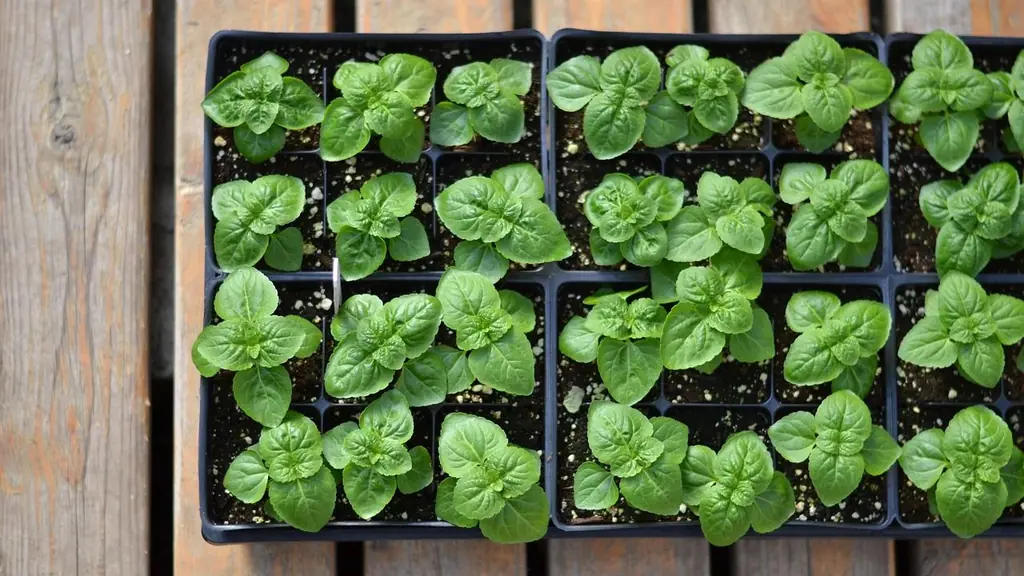
Plants are part of the cycle too. The USGS explains that plants draw water from the soil through their roots and release it as vapour through tiny pores in their leaves, a process called transpiration. It estimates that a large oak tree can transpire about 40,000 US gallons (roughly 150,000 litres) a year. Transpiration speeds up in warm, dry and windy conditions, which is one reason gardens in hot climates need careful watering.
Activity: Water cycle in a bag (ages 5–9)
- Draw a simple sun, cloud and sea on a clear zip-lock bag with permanent marker.
- Pour about 100 ml of water, tinted with a drop of blue food colouring, into the bag and seal it.
- Tape the bag to a sunny window.
- Over the next few hours and days, children watch droplets form at the top (condensation) and run down the sides (precipitation).
Safety: Ensure the bag is sealed tightly and taped securely. Do not use water from the bag for drinking.
Measure household water use
The US EPA's WaterSense programme notes that bathrooms account for over half of all water used inside a home, and that outdoor watering can make up as much as 70 per cent of a household's use in hot months or dry climates. These are US figures, but the pattern of bathrooms and gardens being the biggest users is a good starting point for any family investigation.
Activity: Shower timer challenge (ages 7–14)
- With adult help, hold a bucket of known volume under the shower for 10 seconds and measure how much water is collected.
- Multiply to find the flow per minute.
- Time each family member's usual shower for a week and calculate daily water use.
- Set a family challenge to shorten showers by one or two minutes, then recalculate.
Safety: Adults should handle hot water. Take care on wet bathroom floors.
Activity: The meter reading (ages 9–14)
The EPA suggests checking for hidden leaks by reading the water meter before and after a two-hour period when no water is used (EPA Fix a Leak Week). If the reading changes, there is probably a leak. Children can record the readings and help investigate. An adult should locate and open the meter, which may be in a covered pit or cupboard.
Find the leaks
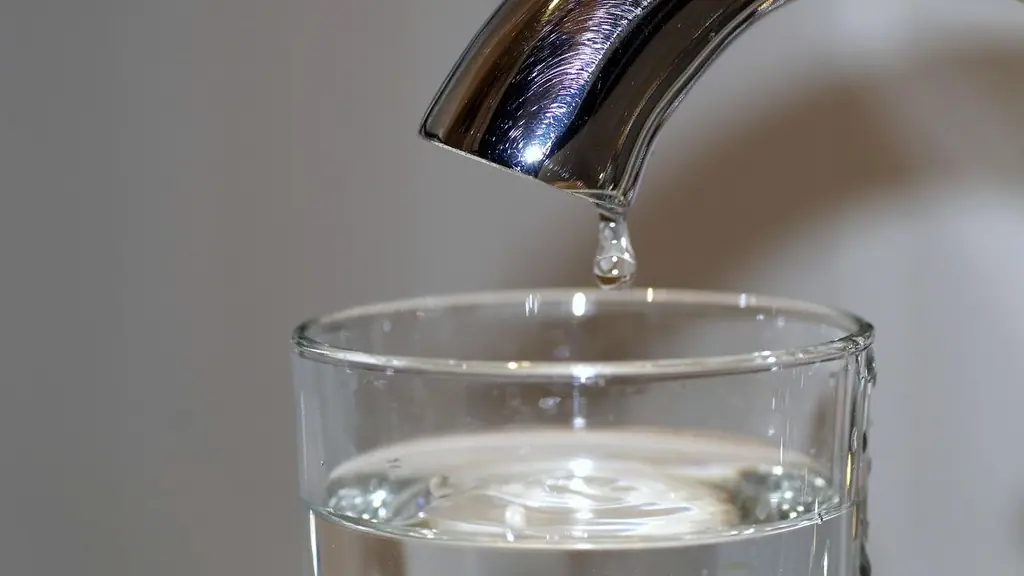
Leaks are easy to overlook and satisfying to fix. According to the EPA, the average US household's leaks can account for more than 9,300 gallons (roughly 35,000 litres) of water wasted each year, and nine per cent of homes have leaks wasting 50 gallons (about 190 litres) or more per day. A tap dripping once per second can waste more than 3,000 gallons (over 11,000 litres) a year.
Children can carry out a simple leak hunt using our home water audit worksheet in this series, or follow these steps:
- Taps: Check each tap for drips after it is turned off firmly.
- Toilet dye test: Add a few drops of food colouring to the toilet cistern (tank) and wait ten minutes without flushing. Colour in the bowl means a leak. An adult should lift the cistern lid.
- Outside: Look for wet patches, dripping hoses or running irrigation.
Leaks should be fixed by an adult or a qualified plumber, but children can report and record what they find.
Everyday habits worth teaching
- Turn off the tap while brushing teeth. The EPA lists this among its basic tips.
- Choose showers over baths, as long as the showers are short.
- Use a bowl or plug when washing fruit and vegetables, then reuse the water on plants.
- Water gardens in the cooler parts of the day to reduce evaporation, and use mulch.
- Run washing machines and dishwashers only when full.
- Collect rainwater where it is safe and permitted, for watering plants.
- Don't waste food, because growing it uses water.
Investigations for older students (ages 10–14)
Mulch versus bare soil
Fill two identical pots with the same soil and water them with the same amount. Cover one with a layer of dry leaves, straw or wood chips. Weigh both pots daily for a week. The pot that loses weight more slowly is losing less water to evaporation. This links directly to water-efficient irrigation in drylands.
Mapping water scarcity
Using online maps or an atlas, students compare average rainfall with population density for several regions, then discuss which places might face shortages and why. Ask them to research one technique used in dry regions to capture or save water, such as rainwater harvesting, drip irrigation or terracing.
Food and water
Students list their meals for a day and research roughly how water is used in producing each item. The aim is not precise numbers but recognising that much of our water use is hidden in food. For more practical investigations, see our guide to environmental science experiments.
Tips for teaching water conservation well
- Be sensitive to context. Some children live in homes where water is already scarce, expensive or unreliable. Frame activities around understanding, not blame.
- Use real measurements. Litres collected in a jug are more memorable than abstract figures.
- Connect home and global. Link a dripping tap to the experience of people living with scarcity.
- Celebrate progress. Track family or class savings on a chart.
Key takeaways
- About four billion people face severe water scarcity for at least one month each year, according to UNICEF.
- Food systems account for 70 per cent of freshwater use, according to the UNCCD, so food waste is also water waste.
- The US EPA estimates average household leaks waste more than 9,300 gallons (roughly 35,000 litres) a year.
- Simple investigations such as catching drips, timing showers and comparing mulched pots make water use visible.
- Teach the water cycle first; conservation habits make more sense once children understand it.
Frequently asked questions
What is the best age to start teaching water conservation?
Children as young as four can learn that water is precious and help water plants. Measurement-based activities suit children from about seven, and global water issues suit ages ten and up.
Is it safe for children to look for leaks?
Yes, with supervision. Children can look and record, but adults should lift heavy cistern lids, handle meters and carry out any repairs.
Do water-saving habits at home really matter if agriculture uses most water?
Household savings reduce pressure on local supplies and on the energy used to treat and pump water. They also build awareness that carries over into food choices and future decisions.
Sources
- Water scarcity UNICEF, n.d.
- Three-quarters of Earth's land became permanently drier in last three decades: UN UNCCD, 2024
- Chronic land degradation: UN offers stark warnings and practical remedies in Global Land Outlook 2 UNCCD, 2022
- Fix a Leak Week US EPA WaterSense, n.d.
- Start saving US EPA WaterSense, n.d.
- The water cycle for schools and kids in over 35 languages USGS Water Science School, 2018
- Evapotranspiration and the water cycle USGS Water Science School, n.d.
How this article was made: researched and drafted with the help of AI tools, then checked against the sources listed above. Read our editorial policy. Spotted an error? Tell us.