Primary school is where many children first learn that water comes from somewhere, that soil is alive and that the birds outside the classroom window have names. Done well, environmental education at this age builds knowledge, curiosity and practical skills that later learning can build on. Done badly, it can become a handful of worksheets and a poster competition.
This guide summarises what international reviews and research suggest, then offers a practical framework and starter ideas for primary teachers and school leaders.
Where things stand
Environmental topics are often thin in official curricula. UNESCO's 2021 review Learn for our planet analysed education plans and curriculum frameworks from close to 50 countries. More than half made no reference to climate change, and only 19 per cent mentioned biodiversity. In an accompanying survey of around 1,600 teachers and education leaders, about a third said environment-related issues were not part of their training.
In response, UNESCO's Greening Education Partnership published Greening curriculum guidance in 2024. It sets out expected learning outcomes for each age group from five years old upwards and supports the partnership's goal of having 90 per cent of countries include climate change in their curricula by 2030. Primary teachers do not need to read it cover to cover, but its age-banded outcomes are a useful check on whether a school's plan is coherent from year to year.
What the evidence suggests
Local, hands-on and measurable
A 2020 systematic review in Biological Conservation examined 105 studies of environmental education published between 1997 and 2016 (Ardoin, Bowers and Gaillard). Nearly all reported positive or mixed results. Programmes that produced direct conservation outcomes, rather than only changes in knowledge or attitudes, tended to share four features:
- A focus on local issues, such as a nearby stream or the schoolyard.
- Partnerships with scientists, resource managers or local organisations.
- Action components, such as citizen science, clean-ups or habitat work.
- Deliberate measurement, planned from the start, of things like trees planted or litter removed.
Most studies in the review were not of primary schools specifically, but the four features translate easily to the primary classroom.
Time in nature supports learning
A 2019 mini-review in Frontiers in Psychology (Kuo, Barnes and Jordan) brought together evidence that experiences with nature support children's learning. The authors found experimental support for benefits to attention, and converging evidence on stress reduction, motivation and engagement. They were careful to note that some links, such as those via physical activity, rest largely on correlational studies. The practical message for schools is that regular, ordinary time outdoors is worth protecting.
School gardens: promising, but evidence is mixed
A 2016 systematic review of school gardening found that qualitative studies reported a wide range of health and well-being benefits, and that pupils who struggle in classroom settings were thought to benefit especially. The quantitative studies were generally weak, however, and evidence on fruit and vegetable intake relied on self-report. Schools should value gardens for learning and well-being without overstating what they can prove.
A framework for primary schools
The research points to a simple structure: notice, understand, act, reflect. Each phase can be adapted for younger and older pupils.
| Phase | Ages 4–7 | Ages 7–11 |
|---|---|---|
| Notice | Sensory walks, collecting leaves, watching birds | Structured surveys, mapping the school grounds |
| Understand | Simple sorting (living/non-living, natural/made) | Food chains, the water cycle, soil, energy use |
| Act | Watering plants, feeding birds in winter, sorting waste | Running a waste audit, planting for pollinators, designing a campaign |
| Reflect | Drawing and talking about changes they saw | Graphing data, comparing with last year, presenting findings |
Weave it through subjects
Environmental education does not need its own timetable slot. It fits naturally into:
- Science: habitats, plants, soil, materials, states of water.
- Mathematics: tallying birds, measuring rainfall, calculating litres saved.
- Literacy: persuasive letters about a local issue, nature journals, non-fiction reading.
- Geography: maps of the school grounds, local land use, where food comes from.
- Art: observational drawing, natural materials, recycled-material sculpture.
Use the school as the laboratory
The school itself is the most local issue available. Pupils can investigate how much food is wasted at lunch, which rooms are left lit when empty, how much rain falls on the playground, or which corners of the grounds have the most insects. Our guides to school gardening and outdoor learning and biodiversity develop these ideas further.
Starter ideas that cost little
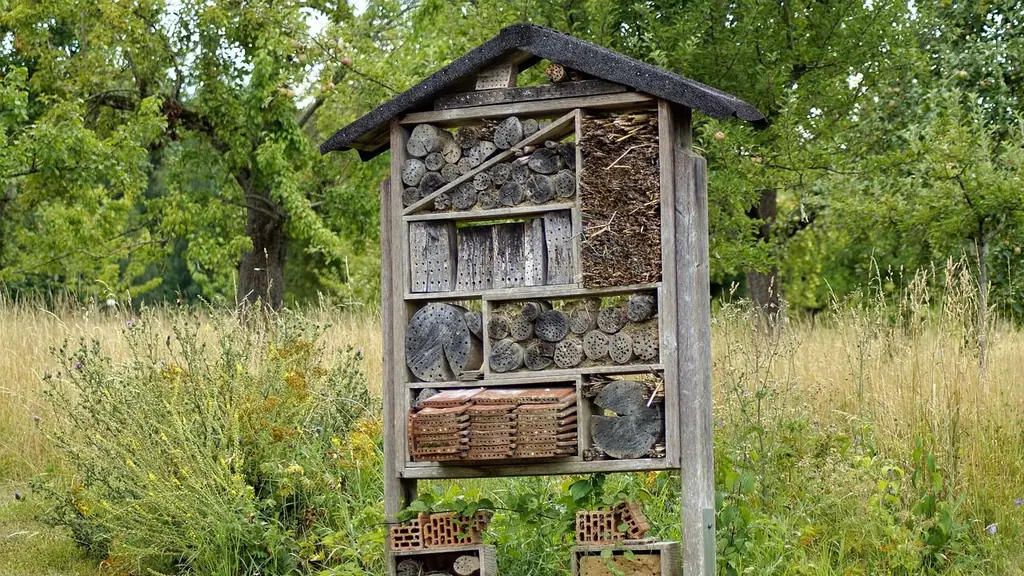
- Join a citizen science survey. The RSPB's Big Schools' Birdwatch is free to register for and its results feed into a national picture of bird numbers; the 2027 counting window runs from 4 January to 22 February 2027. Similar national schemes exist in many countries. Check with local natural history or conservation bodies.
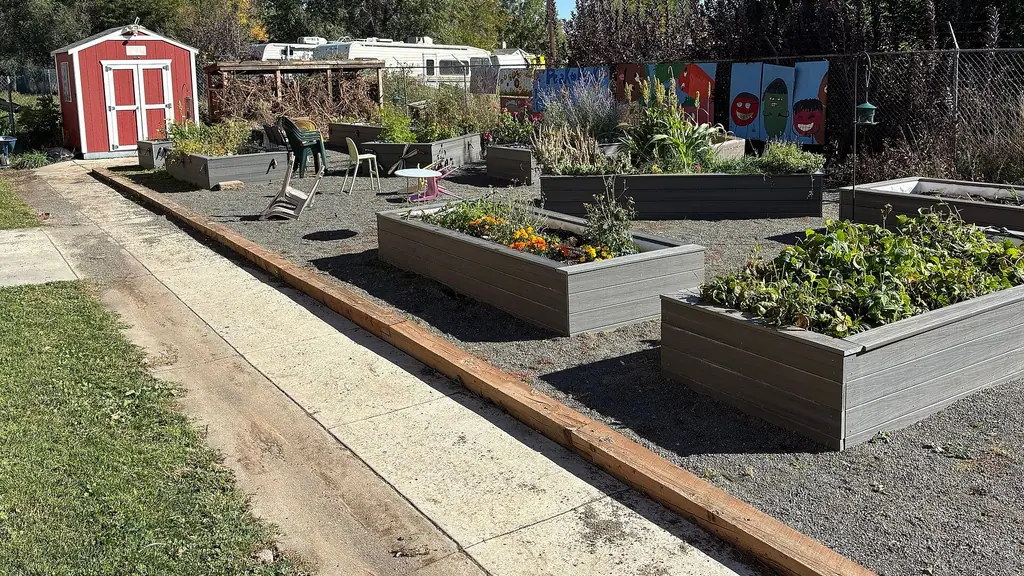
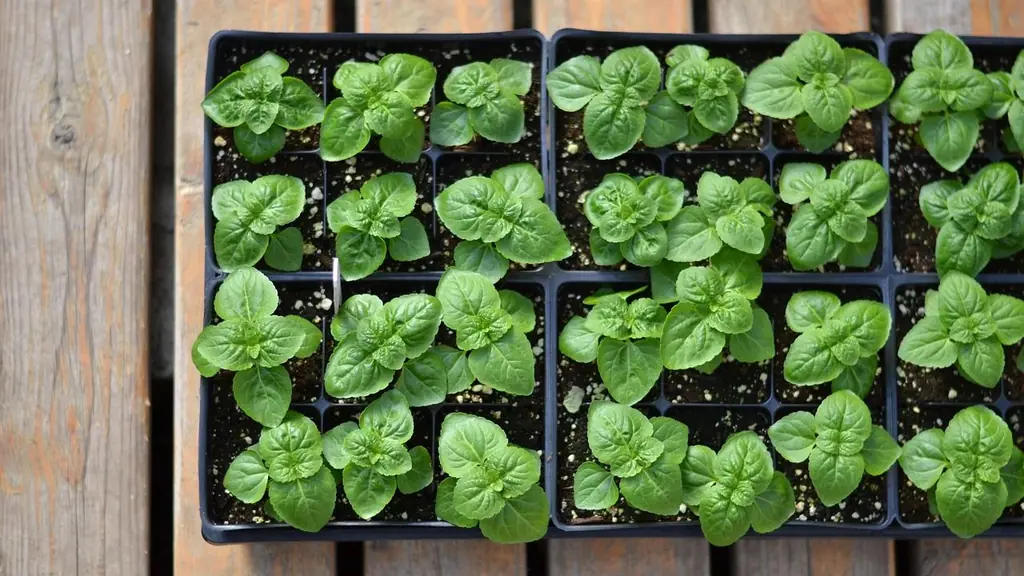
- Start a garden bed or container garden. FAO's free school garden teaching toolkit includes outline lessons on soil, compost, seeds and an ecological audit of the school site.
- Run a lunchtime waste audit. Weigh food waste for a week, discuss causes, try one change and weigh again.
- Keep a class weather and nature diary. A daily two-minute entry builds observation skills and long-term data.
- Adopt a patch. Give each class a square metre of the grounds to observe across the year.
Many more ideas are collected in our article on sustainability activities for children.
Practical considerations
Safety
Outdoor and practical work needs the same planning as any other activity. Carry out a risk assessment for each site and task, check for allergies (including to plants and insect stings), plan for sun and heat, and ensure hand-washing after handling soil, plants or animals. Tools such as trowels and secateurs need clear rules and supervision. In hot climates, schedule outdoor sessions for cooler parts of the day.
Inclusion
Make activities accessible to pupils with limited mobility or sensory needs: raised beds, paved paths, and roles such as recorder or photographer. Avoid assuming that all families have gardens, cars or access to green space; the school may be a child's main contact with nature.
Avoiding anxiety
Young children do not need detailed accounts of global catastrophe. Keep the emphasis on the local, the observable and the doable. Older primary pupils can begin to discuss global issues such as climate change or biodiversity loss, but always paired with examples of solutions and things people are doing.
Staff confidence
Given UNESCO's finding that many teachers lack training in environmental topics, a little professional development goes a long way. A short session on using the school grounds, or partnering with a local environmental organisation, can make teachers more confident to teach outdoors.
Measuring progress
Following the evidence on deliberate measurement, choose a few simple indicators and track them year on year: number of bird species recorded, kilograms of lunch waste, area of planted ground, or number of lessons taught outdoors. Share the results with pupils and families. Measured change is motivating, and it helps make the case for continued time and funding.
For broader context and more resources, visit the environmental education topic hub.
Key takeaways
- UNESCO's 2021 review found that more than half of national education documents examined made no reference to climate change.
- Programmes with direct conservation results tend to be local, involve partners, include action and measure outcomes.
- Regular time in nature is linked to better attention and engagement, though some evidence is correlational.
- School gardens show promising qualitative benefits, but quantitative evidence is still weak.
- A simple notice, understand, act, reflect cycle helps structure environmental learning across the primary years.
Frequently asked questions
How much time should primary schools spend on environmental education?
There is no single international benchmark. Integrating it into existing subjects, plus regular time outdoors, is usually more sustainable than a separate weekly lesson.
Do we need a large outdoor space?
No. A few containers, a window feeder or a patch of grass are enough for meaningful observation and action. Local parks can extend what the school grounds offer.
Is climate change too frightening a topic for young children?
For younger pupils, focus on nature, weather and caring for the local environment. Introduce climate change gradually in the upper primary years, always alongside solutions.
Sources
- Learn for our planet: a global review of how environmental issues are integrated in education UNESCO, 2021
- Greening curriculum guidance: teaching and learning for climate action UNESCO, 2024
- Environmental education outcomes for conservation: A systematic review Biological Conservation (Ardoin, Bowers and Gaillard), 2020
- Do experiences with nature promote learning? Converging evidence of a cause-and-effect relationship Frontiers in Psychology (Kuo, Barnes and Jordan), 2019
- A systematic review of the health and well-being impacts of school gardening: synthesis of quantitative and qualitative evidence BMC Public Health (Ohly et al.), 2016
- Setting up and running a school garden: Teaching toolkit FAO, 2010
- Big Schools' Birdwatch 2027 RSPB, 2026
How this article was made: researched and drafted with the help of AI tools, then checked against the sources listed above. Read our editorial policy. Spotted an error? Tell us.