Children learn about sustainability most effectively when they can see, count and change something themselves. A lecture on resource use is easily forgotten; weighing a week's lunch leftovers and watching the number fall is not.
The activities below are designed for families, teachers and youth groups. Each has a suggested age band, a clear outcome, and safety notes where relevant. Most need only household materials. They are grouped by theme so you can pick a focus for a week or a term.
Why hands-on activities work
A 2020 systematic review of 105 environmental education studies found that programmes producing direct conservation results tended to focus on local issues, include practical action and measure outcomes deliberately (Ardoin, Bowers and Gaillard). The activities here follow that pattern: they start with something local, involve doing rather than just discussing, and build in a simple measurement so children can see whether their action made a difference.
Food and waste
1. The leftover log (ages 6–14)
The UN Environment Programme's Food Waste Index Report 2024 estimated that 1.05 billion tonnes of food were wasted in 2022 across retail, food service and households, with households responsible for 631 million tonnes, up to 60 per cent of the total (UN News, 2024). That makes the home kitchen a sensible place to start.
- For one week, scrape all food leftovers into a container after each meal and weigh it with kitchen scales.
- Record the weight and what was thrown away (peel, bread crusts, uneaten portions).
- Sort items into "could not be eaten" (bones, peel) and "could have been eaten".
- Choose one change, such as smaller portions, a "use it up" shelf in the fridge or planning meals, and repeat the log the following week.
Older children can calculate the percentage change and extrapolate to a year. See reducing food loss and waste for the bigger picture.
2. Start a compost bin (ages 5–14)
The US Environmental Protection Agency's home composting guide explains the basics: mix nitrogen-rich "greens" (fruit and vegetable scraps, coffee grounds, grass clippings) with carbon-rich "browns" (dry leaves, twigs, shredded plain paper and cardboard), using at least two to three times the volume of browns to greens. Keep the mix as damp as a wrung-out sponge and turn it occasionally for air. Leave out meat, fish, bones, dairy, fats and oils, pet waste and diseased plants.
Younger children can sort scraps into greens and browns; older ones can take the temperature of the heap weekly and chart it.
Safety: Children should wear gloves and wash hands after handling compost. Adults should do any turning with a fork.
3. Packaging detectives (ages 7–12)
After a weekly shop, children sort all packaging by material and by what happens to it locally (recycled, composted, landfill). Ask: which items had the most packaging for the least product? Could any be bought loose or in refillable containers next time? Check your local council or municipality rules, as recycling systems vary widely.
Water
4. The drip catcher (ages 5–10)
Place a measuring jug under a dripping tap (or simulate one by setting a tap to drip) for ten minutes. Measure the water collected, then calculate how much would be lost in a day. The EPA's WaterSense programme estimates that a tap dripping once per second can waste more than 3,000 US gallons (over 11,000 litres) a year. Use the collected water to water plants.
5. The toilet dye test (ages 8–14, with an adult)
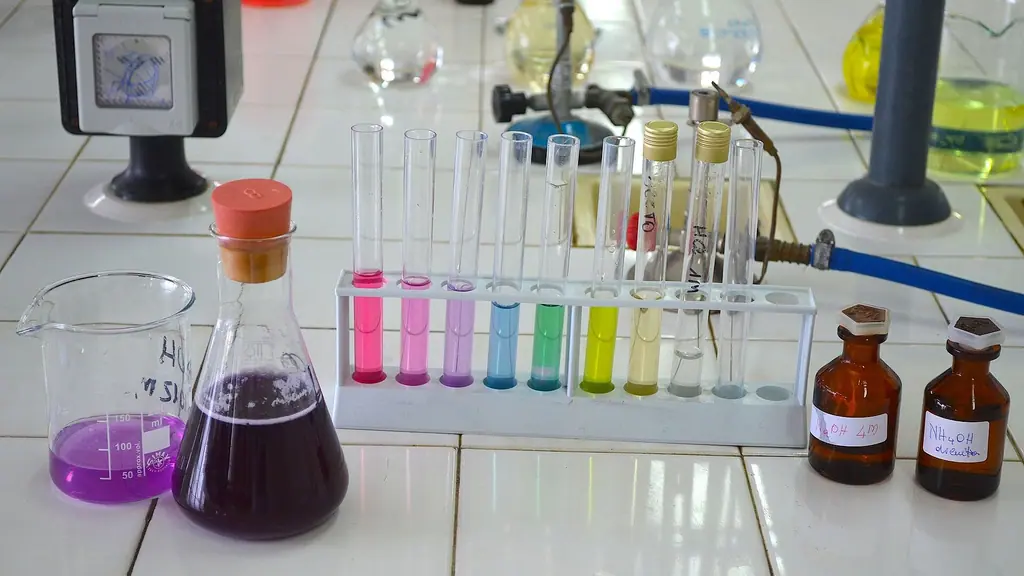
The same EPA page describes a simple leak check: add a few drops of food colouring to the toilet cistern (tank) and wait ten minutes without flushing. If colour appears in the bowl, the flapper or valve is leaking. An adult should lift the cistern lid, which can be heavy and fragile. Our article on teaching children about water conservation has a full home water audit.
Energy and travel
6. The switch-off patrol (ages 5–11)
Children walk through the home or school at the end of the day with a checklist: lights on in empty rooms, devices on standby, chargers left plugged in, doors left open with heating or cooling running. Tally results each day for a week and see whether the numbers fall once everyone knows the patrol is coming.
Safety: Children should not unplug or touch electrical sockets or appliances without adult permission.
7. The journey diary (ages 8–14)
For one week, record every family journey: distance, mode (walk, bike, bus, train, car) and purpose. Then look at which short car trips could have been walked or cycled. Our World in Data estimates an average petrol car at around 170 g of CO2-equivalent per passenger-kilometre, compared with about 35 g for national rail. Older children can use these figures to estimate their family's travel emissions. See also sustainable transportation for families.
Making and mending
8. Repair café at home (ages 7–14)
Collect items that are broken but probably fixable: a toy with a loose wheel, clothing with a missing button, a book with a torn page. Set aside an afternoon to repair them together. Children learn basic skills (sewing a button, using glue safely, tightening a screw) and see that "broken" does not always mean "rubbish". Our article on repairing instead of replacing explains why this matters.
Safety: Needles, scissors and screwdrivers need adult supervision. Use child-safe glue and keep hot glue guns for adults only.
9. The swap shelf (ages 4–14)
Set up a shelf or box at school or in a community space where children can leave books, toys and outgrown clothing and take something in return. Keep a tally of items swapped each month. This is a simple introduction to the idea of reuse and circular systems.
Nature
10. Bird count (ages 4–14)
Spend 20 minutes at a window or in a garden counting the birds you see. Record the highest number of each species seen at once, which avoids counting the same bird twice. Repeat monthly to see seasonal change. Schools can register for the RSPB's Big Schools' Birdwatch, which runs from 4 January to 22 February 2027.
11. Plant a pollinator pot (ages 4–10)
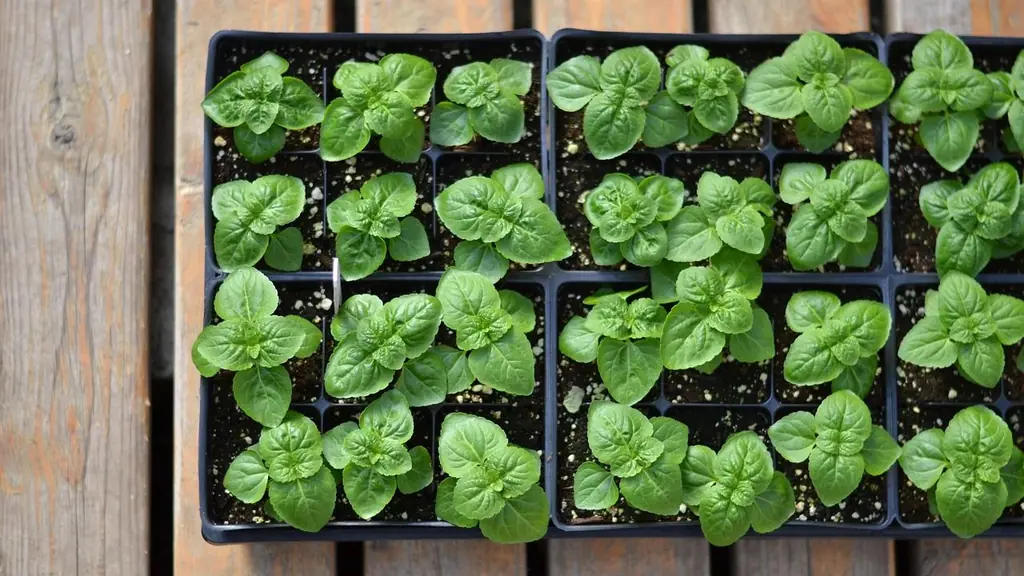
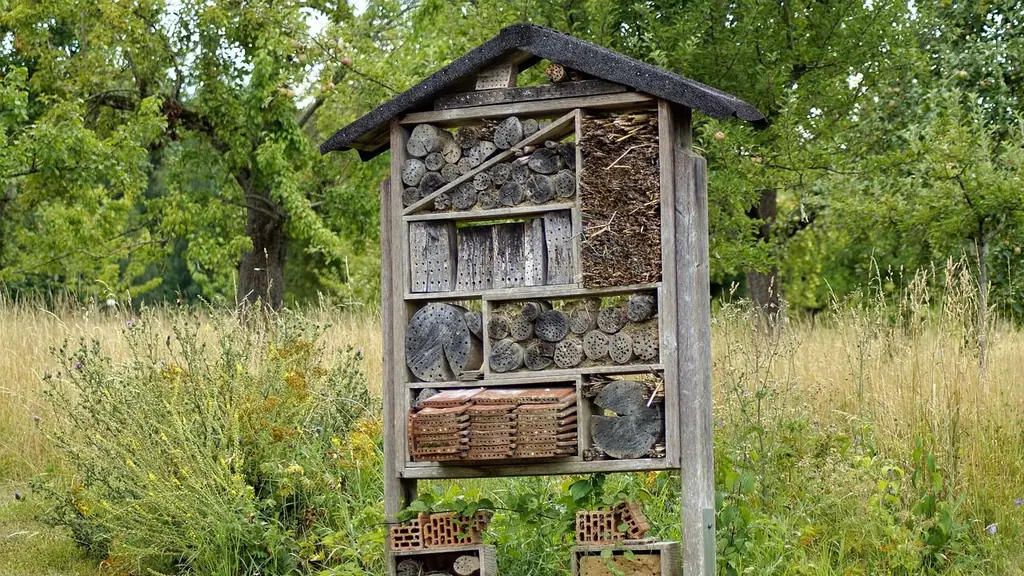
Fill a large pot with peat-free compost and plant flowering species that are native or well adapted to your area. Ask a local nursery or botanic garden which flowers support local bees and butterflies. Children observe and tally insect visitors once a week.
Safety: Check for bee or wasp sting allergies before observation sessions. Teach children to watch insects without touching them.
12. Litter pick with a twist (ages 6–14)
Rather than just collecting litter, children sort and count it by type (plastic bottles, food wrappers, cigarette ends) and map where it was found. The data can inform a letter to the school or local council suggesting where bins are needed.
Safety: Always use litter pickers and gloves. Children must never pick up broken glass, needles, syringes or unknown containers; teach them to point these out to an adult. Avoid roadsides.
Making activities stick
- Measure before and after. A number that changes is more motivating than a vague sense of doing good.
- Let children lead. Give them real choices about which change to try.
- Celebrate small wins. A graph on the fridge or classroom wall keeps progress visible.
- Keep it local and positive. Focus on what children can see and influence rather than distant catastrophes.
- Be inclusive. Not every family has a garden, a car or spare money. Choose activities that work in a flat or a classroom.
Key takeaways
- Households were responsible for up to 60 per cent of the world's food waste in 2022, according to UNEP, so a leftover log is a meaningful starting point.
- Composting needs a mix of greens and browns, moisture and air; the EPA recommends two to three times more browns than greens by volume.
- Simple measurements, such as weighing waste, catching drips or counting birds, turn activities into investigations.
- Safety basics include gloves, hand-washing, adult supervision with tools and never touching hazardous litter.
- Activities are most effective when local, practical and repeated over time.
Frequently asked questions
What age should children start sustainability activities?
Children as young as four can sort waste, water plants and watch birds. Measurement and data activities suit children from about seven upwards.
Do these activities need special equipment?
Most need only kitchen scales, a measuring jug, gloves, notebooks and household containers. A compost bin can be a simple lidded container with air holes.
How do I keep children interested over time?
Repeat activities monthly or seasonally so children can compare results, and give them responsibility for a specific task such as compost monitor or switch-off patroller.
Sources
- With 783 million people going hungry, a fifth of all food goes to waste UN News, 2024
- Composting at home US Environmental Protection Agency, n.d.
- Fix a Leak Week US EPA WaterSense, n.d.
- Environmental education outcomes for conservation: A systematic review Biological Conservation (Ardoin, Bowers and Gaillard), 2020
- Which form of transport has the smallest carbon footprint? Our World in Data, 2023
- Big Schools' Birdwatch 2027 RSPB, 2026
How this article was made: researched and drafted with the help of AI tools, then checked against the sources listed above. Read our editorial policy. Spotted an error? Tell us.