A school garden turns abstract lessons into something children can dig, plant, water, taste and watch change. It can teach biology, measurement, nutrition, teamwork and patience in one place. It can also become an overgrown patch of good intentions by the second summer.
This guide draws on the Food and Agriculture Organization of the United Nations (FAO) school garden manual and toolkit, and on research about what gardens can and cannot be shown to achieve. It is aimed at teachers, school leaders and parent volunteers.
What school gardens are for
FAO's manual Setting up and running a school garden (2005), written for teachers, parents and communities, describes the garden as a platform for learning. It links classroom lessons to practical garden work, encourages better diets through fruit and vegetables, and connects gardening with understanding nature and the environment. The manual is clear that a school garden should be seen mainly as a route to better nutrition and education, not as a bulk source of food or income.
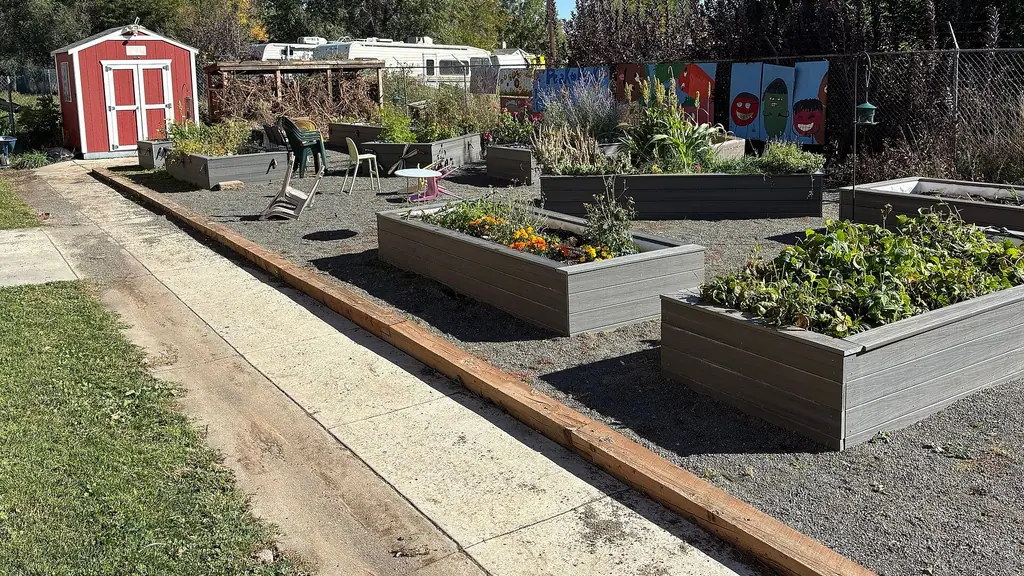
That framing is helpful. A garden does not need to be large or productive to be valuable. A few raised beds or containers can support a full year of learning.
What the evidence says
A 2016 systematic review in BMC Public Health by Ohly and colleagues examined 40 studies of the health and well-being impacts of school gardening. Its findings are worth knowing before you write a funding bid:
- Qualitative studies, which were generally of better quality, reported a wide range of benefits. Pupils who struggle in classroom settings were thought to benefit especially.
- Quantitative studies were generally weak. Evidence that gardens increase fruit and vegetable intake was limited and relied on children's self-reports.
- Threats to success included insufficient funding and heavy reliance on volunteers.
- Factors supporting success included community involvement and integrating gardening into the curriculum.
The practical lessons are clear: link the garden to what is being taught, involve families and the wider community from the outset, and do not depend on a single enthusiastic volunteer.
Planning your garden
FAO's manual is organised around twelve guiding questions, from "Who will help us?" to "How do we keep going?". The following condensed checklist draws on that structure.
Who will help?
Form a small garden team: at least two staff members, a few parents or community members and pupil representatives. Spread knowledge so the garden survives staff changes. Local gardening clubs, allotment societies or university extension services may offer advice or seeds.
Where will it go?
Look for a site that gets plenty of direct sun during the growing season (most vegetables prefer a sunny spot), with access to water, reasonable drainage and visibility from the school building, which makes it easier to keep an eye on. Plan for secure tool storage close by. In hot climates, partial afternoon shade can help.
What will you grow?
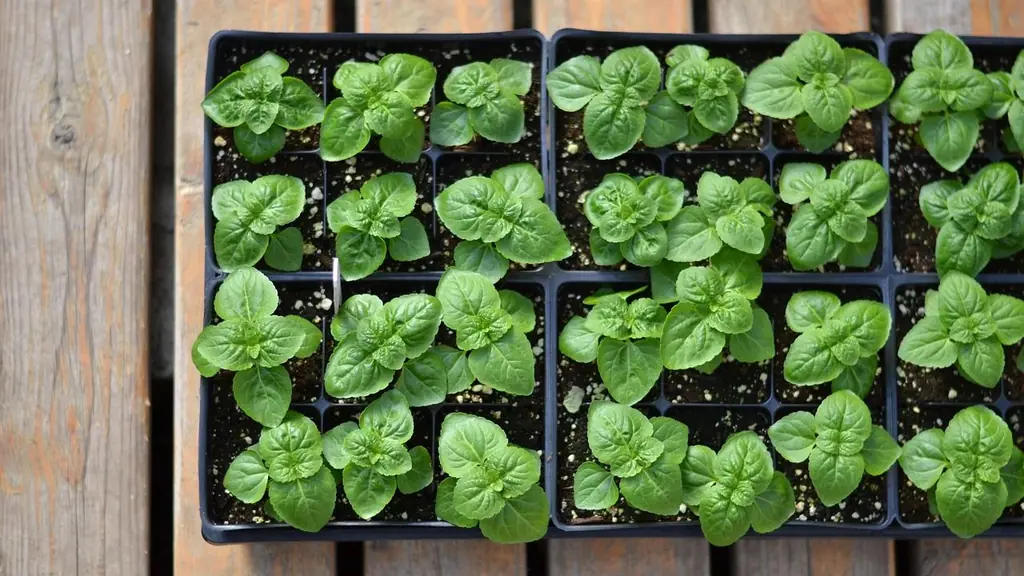
Start small with reliable, fast crops that children can harvest within a term, such as radishes, salad leaves, beans, herbs or local staples. Add a few flowering plants for pollinators and a perennial or two for continuity. Choose crops that ripen during term time rather than over long holidays.
How will you water it?
Water is often the deciding factor. Consider a rainwater butt connected to a downpipe, mulching to reduce evaporation, and grouping plants by water need. The USGS Water Science School explains that plants lose water through their leaves faster in warm, dry and windy conditions, a useful lesson in itself.
A term-by-term plan
The plan below assumes a temperate climate with a spring growing season. Adjust timing for your region; in hot, arid climates the main growing season is often the cooler months.
| Term | Garden tasks | Learning links |
|---|---|---|
| Autumn | Clear beds, start compost, plant bulbs and overwintering crops | Decomposition, soil, life cycles |
| Winter | Plan beds, order seeds, build bird feeders, prune | Measurement, mapping, budgeting, bird surveys |
| Spring | Sow seeds indoors and out, plant seedlings, set up watering rota | Germination, plant needs, fair testing |
| Summer | Harvest, taste, save seeds, mulch, plan holiday care | Nutrition, cooking, data on yields |
Activities by age group
Ages 4–6: Senses and seeds
- Seed sort: Give children a mix of large seeds (beans, sunflowers, peas) to sort by size, colour and shape, then plant one of each in a clear cup to watch roots grow.
- Smell and touch trail: Plant herbs such as mint, lavender or rosemary and let children describe the smells and textures.
- Minibeast hunt: Lift a log or stone in the garden and observe what lives underneath, then put it back gently.
Ages 7–9: Plant needs and fair tests
- What plants need: Grow identical seedlings with and without light, and with and without water. Change only one thing at a time and measure height weekly. FAO's teaching toolkit includes outline lessons on "what plants like" and on seeds and germination.
- Compost investigation: Start a compost bin using the US EPA's home composting guidance: mix greens such as fruit and vegetable scraps with at least two to three times as much brown material such as dry leaves, keep it moist and turn it occasionally. Children record temperature and changes in appearance.
- Soil life count: FAO notes there are more living organisms in a tablespoon of soil than people on Earth (FAO, 2017). Children use magnifying glasses to look for visible soil animals and sketch them.
Ages 10–12: Systems and data
- Yield records: Weigh every harvest and calculate yield per square metre for different crops.
- Water budget: Measure how much water each bed receives and compare mulched and unmulched beds by checking soil moisture with a finger or a simple meter.
- Ecological audit: FAO's toolkit includes an ecological audit of the school grounds. Pupils map sunny and shady areas, water sources, wildlife and problem spots, then propose improvements.
- Garden to plate: Plan, cost and prepare a simple dish from garden produce, linking to nutrition and food miles.
For more on what is going on beneath the surface, see our guide to soil and plant science basics.
Garden safety basics
- Hand-washing: Everyone washes hands with soap after gardening and before eating.
- Gloves: Provide gloves, especially for handling compost, manure-based products or thorny plants.
- Tools: Use child-sized tools, teach safe carrying (points down), and store tools securely. Sharp tools such as secateurs and knives are for adults or closely supervised older pupils.
- Plants: Avoid toxic or highly irritant plants. Check species with a reputable local source before planting, and teach children never to eat anything from the garden unless an adult confirms it is safe and it has been washed.
- Chemicals: Avoid pesticides and herbicides. If any product must be used, adults should apply it when children are not present and follow label instructions.
- Allergies, sun and heat: Check for allergies to plants and insect stings. Provide shade, water, hats and sun protection, and schedule work for cooler parts of the day.
- Water: Supervise children near water butts or ponds, and keep containers covered.
Keeping the garden going
The Ohly review's findings on funding and volunteers point to a few practical safeguards:
- Write it into the curriculum. If the garden is used in planned lessons, it is less likely to be abandoned.
- Share the load. Rotate class responsibilities and recruit a broad group of volunteers.
- Plan for holidays. Use mulch, choose crops that do not need picking during breaks, and set up a family watering rota.
- Keep records. A garden logbook with planting dates, harvests and problems helps the next team.
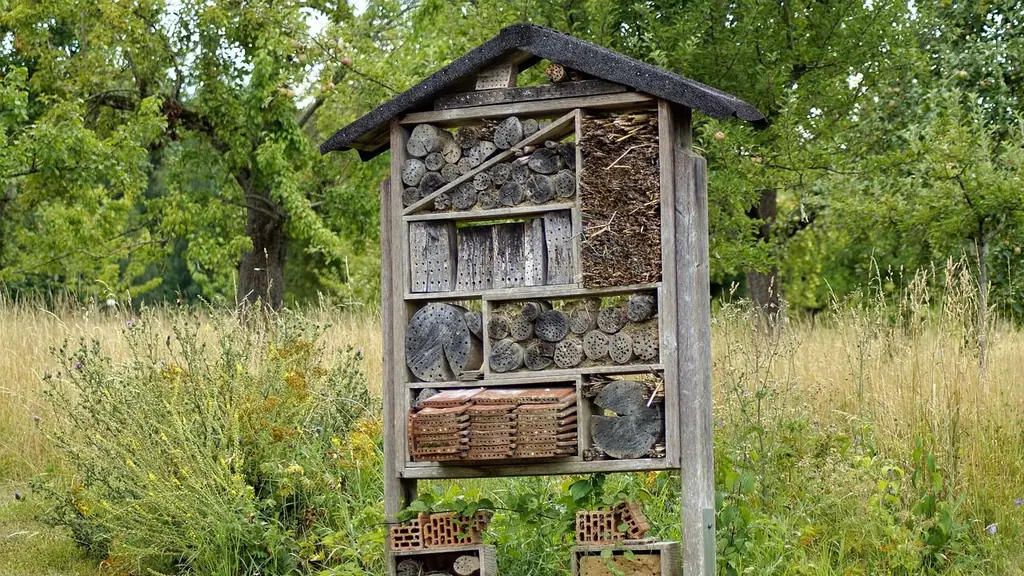
A garden also supports wildlife. Adding a few native flowering plants can provide food for bees and other insects; see our article on pollinators and food. For more ideas on embedding the garden in school life, read our guide to environmental education in primary schools.
Key takeaways
- FAO frames school gardens primarily as platforms for learning and better nutrition, not as major food sources.
- A 2016 systematic review found promising qualitative benefits but weak quantitative evidence, particularly on diet.
- Community involvement and curriculum integration support long-term success; reliance on a few volunteers is a risk.
- Start small, choose fast term-time crops and plan watering and holiday care from day one.
- Basic safety rules on hand-washing, tools, plants and chemicals keep gardening safe for all ages.
Frequently asked questions
How much space does a school garden need?
Very little. A few containers on a playground, a single raised bed or window boxes can support a year of learning.
What if our school has no soil?
Use raised beds or large containers filled with compost and soil from a reputable supplier. Paved schools often garden entirely in containers.
Who looks after the garden in the holidays?
A family rota, a local community group or staff on site can water. Choosing drought-tolerant plants and mulching heavily reduces the work.
Sources
- Setting up and running a school garden: A manual for teachers, parents and communities FAO, 2005
- Setting up and running a school garden: Teaching toolkit FAO, 2010
- A systematic review of the health and well-being impacts of school gardening: synthesis of quantitative and qualitative evidence BMC Public Health (Ohly et al.), 2016
- Composting at home US Environmental Protection Agency, n.d.
- Cherishing the ground we walk on FAO, 2017
- Evapotranspiration and the water cycle USGS Water Science School, n.d.
How this article was made: researched and drafted with the help of AI tools, then checked against the sources listed above. Read our editorial policy. Spotted an error? Tell us.