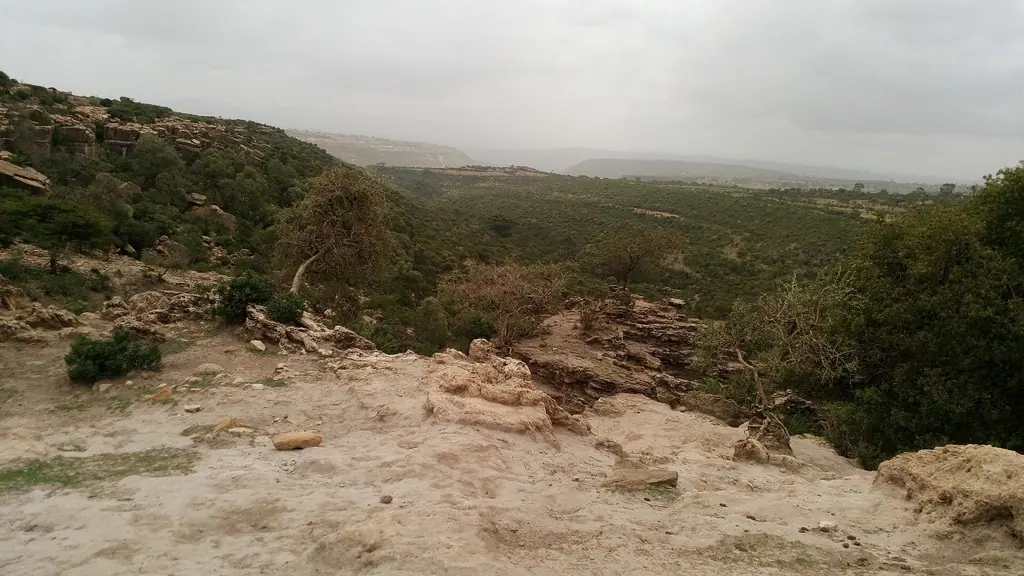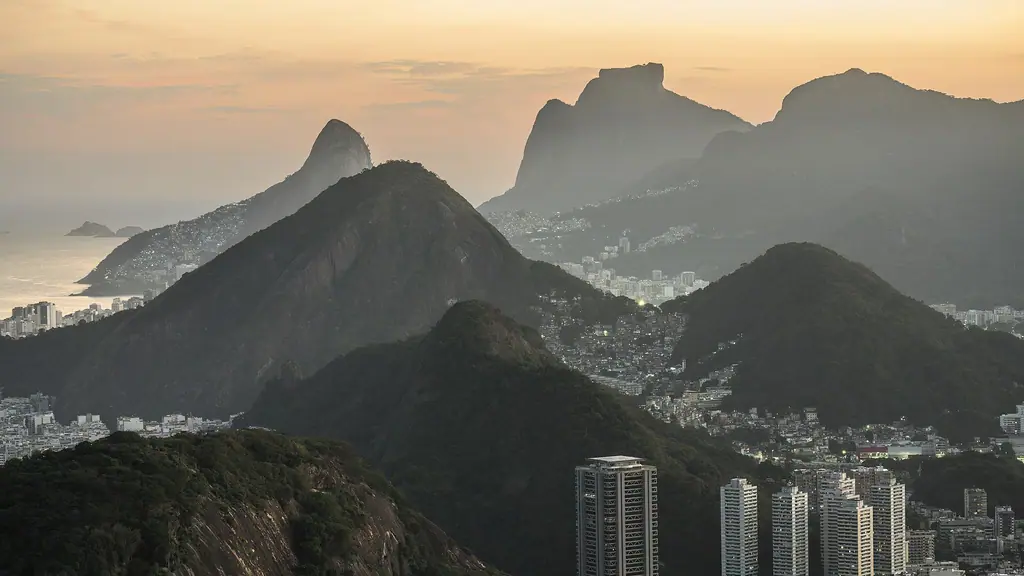
Climate change, biodiversity loss and land degradation are often discussed as separate crises, but they share causes and feed one another. At the international level, each is governed by its own UN treaty: the United Nations Framework Convention on Climate Change (UNFCCC), the Convention on Biological Diversity (CBD) and the United Nations Convention to Combat Desertification (UNCCD). Together they are known as the Rio conventions, after the 1992 UN Conference on Environment and Development in Rio de Janeiro, better known as the Earth Summit.
This guide explains where each convention came from, what it does, how its decision-making works, and why the three are increasingly trying to act together.
The Earth Summit and the birth of the conventions
The Earth Summit in June 1992 was a landmark moment for international environmental policy. Two treaties were finalized in the run-up to it. The UNFCCC text was adopted in New York on 9 May 1992 by an intergovernmental negotiating committee, and the CBD was opened for signature at the Rio summit on 5 June 1992.
The third convention followed. At the summit, Chapter 12 of Agenda 21, the conference's action plan, called on the UN General Assembly to set up a committee to negotiate a legally binding instrument on desertification. According to the UNCCD's own history, the General Assembly confirmed that request in December 1992, and the resulting convention was adopted in Paris on 17 June 1994.
The three conventions at a glance
| UNFCCC | CBD | UNCCD | |
|---|---|---|---|
| Focus | Climate change | Biological diversity | Desertification, land degradation and drought |
| Adopted or opened for signature | Adopted 9 May 1992 | Opened for signature 5 June 1992 | Adopted 17 June 1994 |
| Entered into force | 21 March 1994 | 29 December 1993 | 26 December 1996 |
| Parties | 198 (UN Treaty Collection, November 2026) | 196 (CBD Secretariat) | 197 (UNCCD Secretariat) |
| Key later instruments | Kyoto Protocol, Paris Agreement | Cartagena and Nagoya protocols; Kunming-Montreal Global Biodiversity Framework | Land degradation neutrality targets |
Sources: UN Treaty Collection, CBD history, CBD list of Parties, UNCCD ratification page and UNCCD library history.
The UNFCCC: climate
The UNFCCC is a framework treaty: it sets out principles and institutions, and later agreements add specific commitments. As the LSE's Grantham Research Institute explains, its Conference of the Parties (COP) is the top decision-making body, meeting regularly to review and agree climate policy. The Kyoto Protocol was adopted under the convention in 1997, and the Paris Agreement at COP21 in 2015. The convention entered into force on 21 March 1994 and, according to the UN Treaty Collection, had 198 parties as of November 2026.
The CBD: biodiversity
The CBD entered into force on 29 December 1993, ninety days after its thirtieth ratification. Its three aims are the conservation of biological diversity, the sustainable use of its components, and the fair and equitable sharing of benefits arising from the use of genetic resources. Its protocols include the Cartagena Protocol on biosafety and the Nagoya Protocol on access and benefit-sharing. The CBD Secretariat lists 196 Parties.
Its current global plan is the Kunming-Montreal Global Biodiversity Framework, with 23 targets for 2030. We cover how those targets relate to the Sustainable Development Goals in our explainer on SDG 15: life on land.
The UNCCD: land
The UNCCD entered into force in December 1996 and has 197 Parties. It addresses desertification, land degradation and drought, and its work in recent years has centred on the goal of land degradation neutrality, under which countries aim to balance unavoidable losses of healthy land with restoration elsewhere.
How the conventions make decisions
Each convention is governed by its own Conference of the Parties, a meeting of all the countries (and, where relevant, regional organizations such as the EU) that have joined it. COPs adopt decisions, review progress, agree budgets and set work programmes. Each convention also has a secretariat that organizes meetings and supports implementation, and subsidiary bodies that prepare scientific, technical and implementation advice between COPs.
COPs are numbered separately for each treaty, which is a common source of confusion. "COP17" in 2026 referred to two different meetings: the seventeenth UNCCD COP and the seventeenth CBD COP. The UNFCCC held its thirty-first COP the same year.
2026: the triple COP year
Unusually, all three conventions held their COPs in 2026, which the UNCCD described as the triple COP year.
- UNCCD COP17, Ulaanbaatar, Mongolia. It concluded on 28 August 2026 after two weeks of negotiations. Parties did not complete a decision on proactive drought management and will continue discussions at COP18, expected in Egypt in 2028. Drought will remain a standalone agenda item. Host Mongolia launched a set of initiatives, including a rangelands initiative.
- CBD COP17, Yerevan, Armenia. Running from 19 October 2026, it was the first global review of progress towards the Kunming-Montreal framework. According to Carbon Brief's summary, the review warns that the 23 targets will not be met without accelerated action, and finance was the main point of disagreement. Carbon Brief reports that developed countries did not meet their commitment to provide at least US$20 billion a year in international biodiversity finance by 2025.
- UNFCCC COP31, Antalya, Türkiye. It was scheduled for 9 to 20 November 2026. We will update this guide when verified summaries of its outcomes are available.
Why synergies matter
The three crises interact closely. Clearing forests and draining peatlands releases greenhouse gases, destroys habitat and degrades soils at once. A warming climate intensifies drought and puts more species at risk. Conversely, restoring degraded land can store carbon, rebuild habitats and improve water retention, which is why land restoration is discussed under all three conventions. For a closer look at these links, see how land use and climate change interact.
Yet countries usually prepare separate national plans and reports for each convention, often in different ministries. That duplicates effort and can lead to inconsistent policies: a project designed only for carbon, such as planting trees on native grassland, could work against biodiversity or land goals.
How the conventions cooperate
The heads of the three secretariats meet through a Joint Liaison Group. At a meeting in Bonn reported in September 2025, chaired by the UNCCD's Executive Secretary, the leaders launched a Rio Synergies platform built on three pillars:
- Country support: joint capacity-building to help governments strengthen policies, develop integrated plans and build negotiating skills.
- Coherence and complementarity: aligning work on shared themes such as food systems, forests and water, and engaging Indigenous Peoples and youth.
- Outreach and visibility: promoting a joint narrative and sharing examples of synergy in action.
Synergies also matter for money. Environmental finance is limited, and projects that deliver climate, biodiversity and land benefits together can stretch it further. Our guide to environmental financing mechanisms explains the funds that support the conventions.
Common criticisms
The Rio conventions have been criticized for slow progress, consensus decision-making that lets a few countries block outcomes, and a persistent gap between pledges and delivery, especially on finance. The 2026 COPs illustrated each of these: key drought and finance issues were deferred at the UNCCD, finance dominated disputes at the CBD, and both meetings left important work to future sessions.
Supporters respond that the conventions remain the only forums where almost every country negotiates common rules, reports on progress and is held to collective goals. Without them, there would be no shared framework for climate targets, biodiversity goals or land degradation neutrality.
Key takeaways
- The UNFCCC, CBD and UNCCD are called the Rio conventions because of their links to the 1992 Earth Summit. The UNCCD was requested in Agenda 21 and adopted in 1994.
- Each convention has its own Conference of the Parties, secretariat and near-universal membership: 198, 196 and 197 parties respectively, according to the latest official listings.
- 2026 was a triple COP year, with UNCCD COP17 in Mongolia, CBD COP17 in Armenia and UNFCCC COP31 in Türkiye.
- Climate, biodiversity and land problems are tightly linked, and the secretariats launched a Rio Synergies platform in 2025 to align their work.
Frequently asked questions
Why is the UNCCD called a Rio convention if it was adopted in 1994?
Because it was requested at the 1992 Earth Summit. Agenda 21 called on the UN General Assembly to start negotiations on a legally binding instrument on desertification, which led to the convention's adoption in Paris in 1994.
Are COP decisions legally binding?
It depends on the decision. The conventions themselves are binding treaties for their parties, but many COP decisions provide guidance, set work programmes or record political commitments rather than creating new legal obligations.
Where can I find official information?
Each convention's secretariat publishes its decisions, national reports and meeting documents: unfccc.int, cbd.int and unccd.int.
Sources
- United Nations Framework Convention on Climate Change: status (UN Treaty Collection, Chapter XXVII-7) United Nations Treaty Collection, 2026
- What is the UN Framework Convention on Climate Change (UNFCCC)? Grantham Research Institute, London School of Economics, 2022
- History of the Convention Convention on Biological Diversity, 2026
- List of Parties Convention on Biological Diversity, 2026
- Ratification UNCCD, 2026
- UNCCD 25 years - UNCCD library references collection (1992-1994-1999) UNCCD, 2019
- Rio Conventions step up collaboration with new synergies platform UNCCD, 2025
- UNCCD COP17 advances new pathways for land restoration, drought resilience and implementation UNCCD, 2026
- COP17: Key outcomes agreed at the UN biodiversity conference in Yerevan Carbon Brief, 2026
- 2026 UN Climate Change Conference (COP31) UNCCD, 2026
How this article was made: researched and drafted with the help of AI tools, then checked against the sources listed above. Read our editorial policy. Spotted an error? Tell us.