The Land Degradation Neutrality Fund (LDN Fund) was one of the first investment funds built specifically to finance sustainable land use and land restoration through private enterprise. It came out of the UNCCD's work on land degradation neutrality. That is the goal, written into Sustainable Development Goal target 15.3, of keeping the amount and quality of healthy, productive land at least stable. Our explainer on land degradation neutrality covers the concept itself.
The thinking behind the fund was simple. Public budgets and aid would never be enough to restore land on the scale needed, so some long-term private capital had to be attracted. Doing that meant reducing the risks investors saw in land-based businesses in developing countries.
From concept to fund (2014–2017)
The Global Mechanism, the UNCCD body responsible for mobilising finance, presented a first concept for the fund at the World Investment Forum in Geneva in October 2014. That date comes from a joint Global Mechanism–Mirova press release preserved in the archive. In October 2015, at their twelfth Conference of the Parties (COP12) in Ankara, the Convention's Parties endorsed land degradation neutrality. According to the UNCCD, Decision 3/COP.12 asked the Global Mechanism to explore options for financing it, including an independent fund.
In December 2015, the Global Mechanism and Mirova, the sustainable investment affiliate of Natixis Investment Managers, signed a memorandum of understanding to structure the fund. Mirova was chosen through a competitive process. The UNCCD credits the governments of France, Luxembourg and Norway and the Rockefeller Foundation with supporting the fund's early design. An advisory group of public finance institutions, NGOs and academics was also involved.
The fund was officially launched on 12 September 2017 at UNCCD COP13 in Ordos, China, with an initial target of USD 300 million. The UNCCD's launch report noted a EUR 5 million commitment from Luxembourg, among others.
The market study
Before the launch, the Global Mechanism and Mirova published Unlocking the Market for Land Degradation Neutrality in 2016, which is still available from the UNCCD library. The study treated land degradation neutrality as an emerging investment market. It mapped the existing investors and project developers and identified the gaps a dedicated fund could fill. Several older Global Mechanism pages about the market study now point here.
How the fund is structured
The LDN Fund is a blended finance vehicle. It combines two kinds of capital:
- Concessional (junior) capital, mostly from governments, development agencies and some foundations. These investors accept higher risk or lower returns.
- Commercial (senior) capital, mainly from private institutional investors such as insurers and banks, who are protected to some degree by the junior layer.
The Green Finance Institute describes a 15-year fund life with a five-year investment period. The fund mainly provides long-term loans, with equity where the potential for value creation is high. For more on this model, see our article on green bonds and blended finance for land.
Alongside the fund, a separate technical assistance facility managed by IDH (the Sustainable Trade Initiative) helps potential investees prepare projects that meet the fund's criteria and reduces risks after investment. The UNCCD lists the Global Environment Facility and the French Development Agency among its supporters. Investments are screened under an environmental and social management system based on the IFC Performance Standards and the Voluntary Guidelines on the Responsible Governance of Tenure (VGGT), with a complaints mechanism.
Investors and final size
Mirova announced the fund's final close in mid-2021, with commitments of just over USD 208 million. That was below the original USD 300 million target. Public investors named by Mirova and the UNCCD include the European Investment Bank, the French Development Agency, the UK Department for Environment, Food and Rural Affairs (with a GBP 10 million anchor commitment), the Government of Luxembourg and Global Affairs Canada. Private investors listed by the UNCCD include Allianz, BNP Paribas Cardif, BPCE Vie, Fondaction, Fondation de France and Garance.
What it invested in
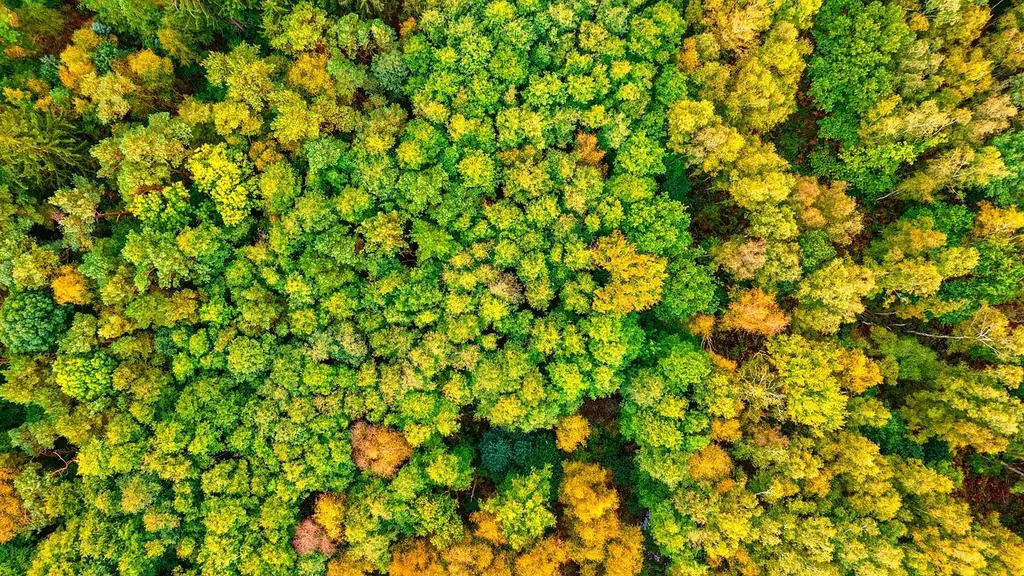
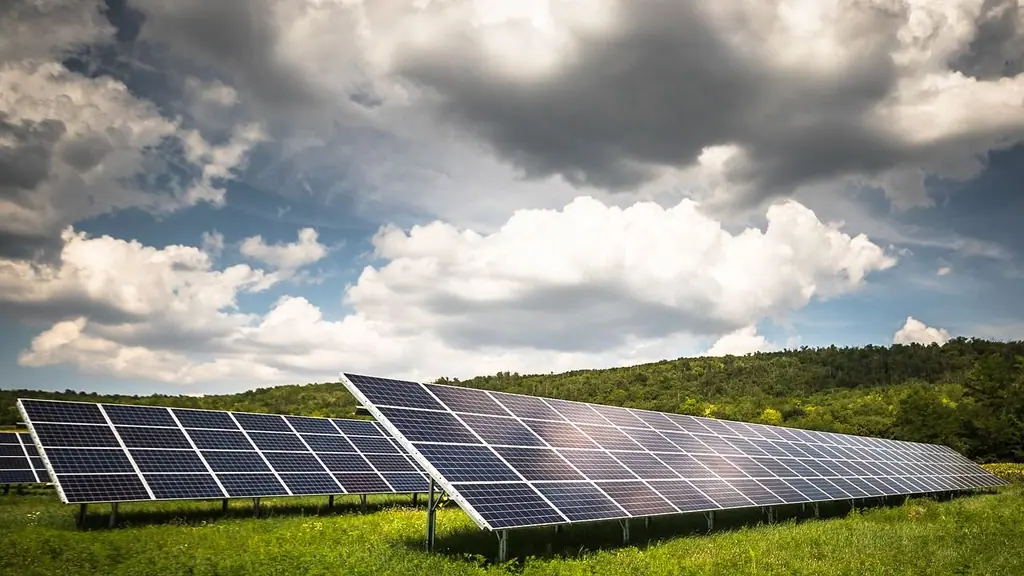
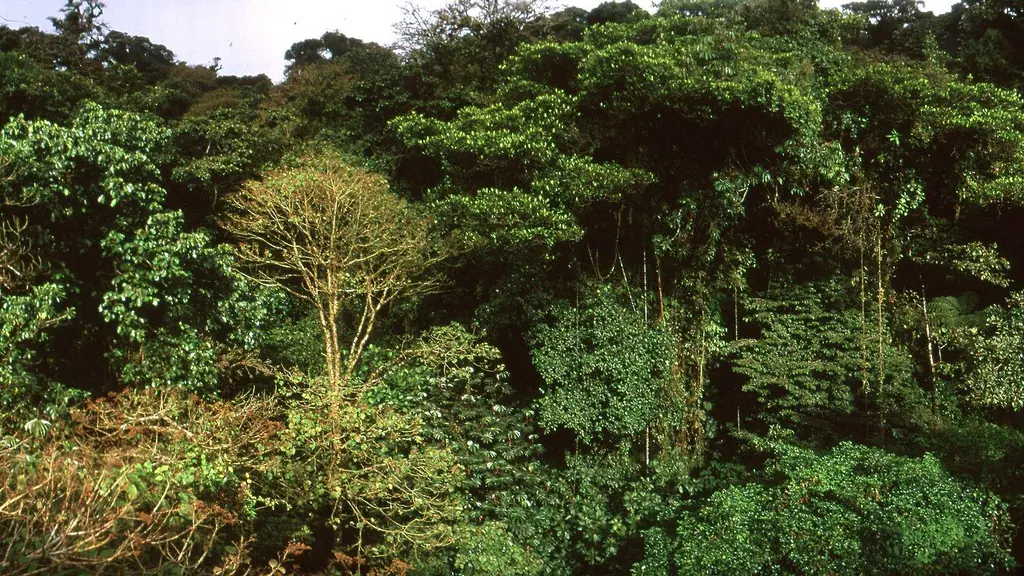
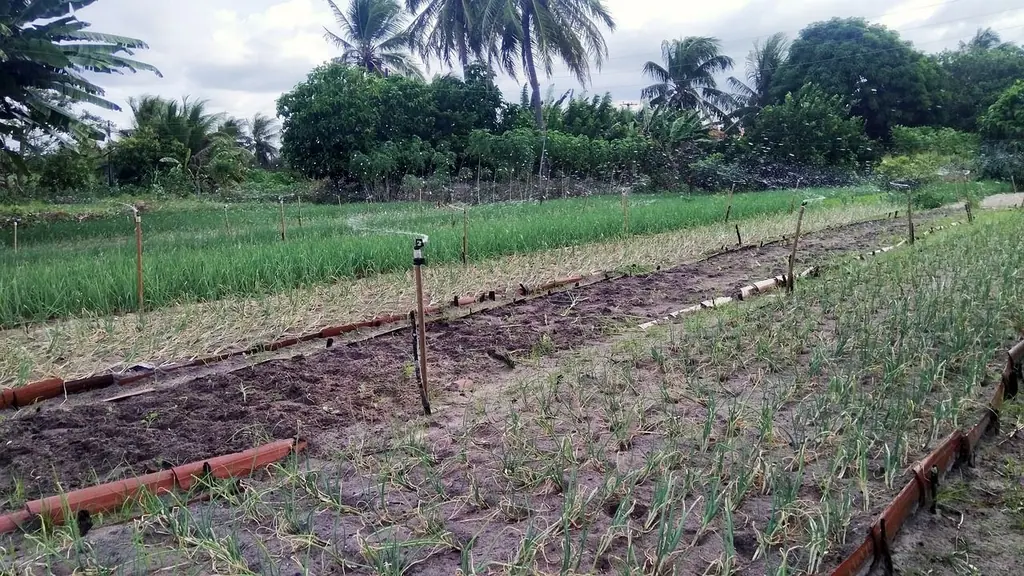
The fund targets financially viable private projects in sustainable agriculture, sustainable livestock management, agroforestry and sustainable forestry, often working through local partners to reach smallholders. Early investments included a forestry company in Kenya and tree-nut production in Bhutan, each made in 2020, according to the Green Finance Institute.
In December 2023, Mirova reported that three final deals had completed the fund's deployment, bringing the portfolio to 13 projects across Latin America, Africa and Asia. The supply chains covered include coffee, cocoa, wood, nuts, fresh fruit, pharmaceutical ingredients and payments for ecosystem services. The same announcement presented a successor strategy, the Mirova Sustainable Land Fund 2, with a target of EUR 350 million.
Assessing the model
The LDN Fund showed that a UN convention body could help design a privately managed investment vehicle without running it. The UNCCD describes the fund as private-sector led, and the Global Mechanism's role was to conceive and promote it. The fund also illustrates the limits of blended finance. Raising the money took around four years, the fund closed below target, and its portfolio of about a dozen companies is small compared with the scale of land degradation worldwide. Independent evidence on long-term land outcomes will depend on the fund's impact reporting as investments mature.
Key takeaways
- The LDN Fund was conceived by the UNCCD Global Mechanism, first presented in 2014, and launched at COP13 in September 2017.
- Mirova manages it. It blends concessional public capital with commercial private capital.
- It reached a final close of just over USD 208 million in 2021, below its USD 300 million target.
- By December 2023 it had completed deployment across 13 sustainable land management projects.
Where to find official information
- UNCCD: Land Degradation Neutrality Fund
- UNCCD: The Global Mechanism
- Related reading: environmental financing mechanisms
Sources
- Land Degradation Neutrality Fund UNCCD, 2026
- LDN Fund officially launched UNCCD, 2017
- LDN Fund exceeds $200m for its final close Mirova, 2021
- Mirova targets €350 million for new strategy dedicated to sustainable land management Mirova, 2023
- Mirova Land Degradation Neutrality Fund (Revenues for Nature case study) Green Finance Institute, 2023
- Unlocking the Market for Land Degradation Neutrality UNCCD Global Mechanism and Mirova, 2016
- Global Mechanism UNCCD, 2026
How this article was made: researched and drafted with the help of AI tools, then checked against the sources listed above. Read our editorial policy. Spotted an error? Tell us.